Transforming Brand Identity into Physical Experiences
Quick Navigation
- Why Physical Branding Matters More Than Ever
- The Evolution of Branding Installations
- What Defines a 3D Branding Installation?
- Creating an Unforgettable First Impression
- The Psychology Behind Dimensional Branding
- Material Selection: The Foundation of Successful Installations
- Engineering Behind Large-Scale Logo Installations
- Interior Branding Applications
- Exterior Branding Installations
- The Rise of Social Media-Friendly Installations
- Brand Consistency Across Multiple Locations
- Future Trends in 3D Branding Installations
- Conclusion
- Frequently Asked Questions
In today’s highly competitive business environment, a logo is no longer just a graphic element placed on a website, business card, or social media profile. The most successful brands understand that identity must extend beyond digital spaces and become a tangible part of the customer experience. This is where 3D logo and branding installations have emerged as one of the most powerful tools in modern environmental branding.
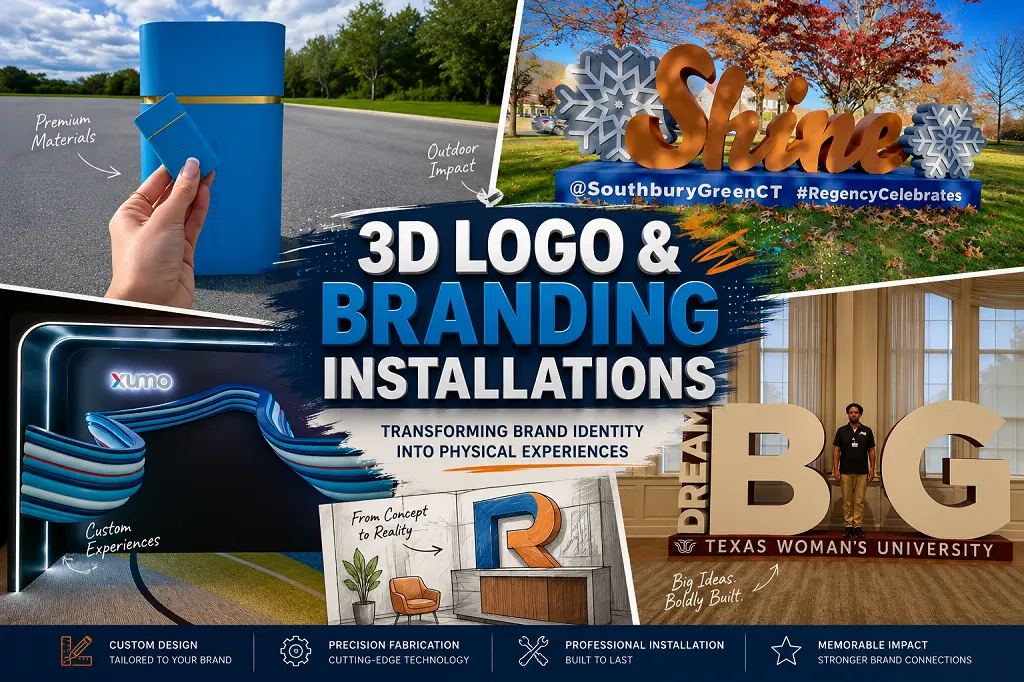
From corporate headquarters and office lobbies to retail stores, trade shows, universities, hospitality venues, and public spaces, dimensional branding installations create memorable experiences that flat graphics simply cannot achieve. By combining architectural design, dimensional fabrication, custom materials, and strategic placement, businesses can transform ordinary environments into immersive brand destinations.

Why Physical Branding Matters More Than Ever
Consumers interact with thousands of visual messages every day. Digital advertisements, social media posts, and online content compete constantly for attention. While digital visibility remains important, physical brand experiences often create the strongest emotional connections.
A professionally fabricated 3D logo installation instantly communicates:
- Credibility
- Permanence
- Professionalism
- Attention to detail
- Brand confidence
Unlike printed graphics, dimensional branding introduces depth, texture, shadow, scale, and architectural presence. These qualities naturally attract attention and create a stronger visual impact. Whether installed in a corporate lobby or mounted on a building exterior, a three-dimensional logo becomes part of the environment itself rather than simply being attached to it.
Modern organizations increasingly recognize that their physical spaces are extensions of their brand story.
The Evolution of Branding Installations
Traditional signage primarily served a functional purpose: helping people identify locations. Today’s branding installations accomplish much more.
Modern 3D branding systems are designed to:
- Reinforce corporate identity
- Create memorable visitor experiences
- Improve wayfinding
- Support marketing initiatives
- Enhance architectural aesthetics
- Generate social media engagement
- Strengthen customer trust
Many organizations now view branding installations as long-term investments rather than operational expenses.
As a result, dimensional logos have evolved from simple wall-mounted letters into sophisticated architectural features that integrate seamlessly with building design, interior architecture, and customer experience strategies.
What Defines a 3D Branding Installation?
A 3D branding installation typically combines dimensional elements that physically project from a surface or occupy space within an environment.
Common examples include:
Dimensional Corporate Logos
Three-dimensional recreations of company logos mounted on interior or exterior walls.
Lobby Branding Displays
Large-scale reception area installations designed to create strong first impressions for clients, visitors, and employees.
Architectural Brand Features
Integrated branding elements that become part of the building architecture itself.
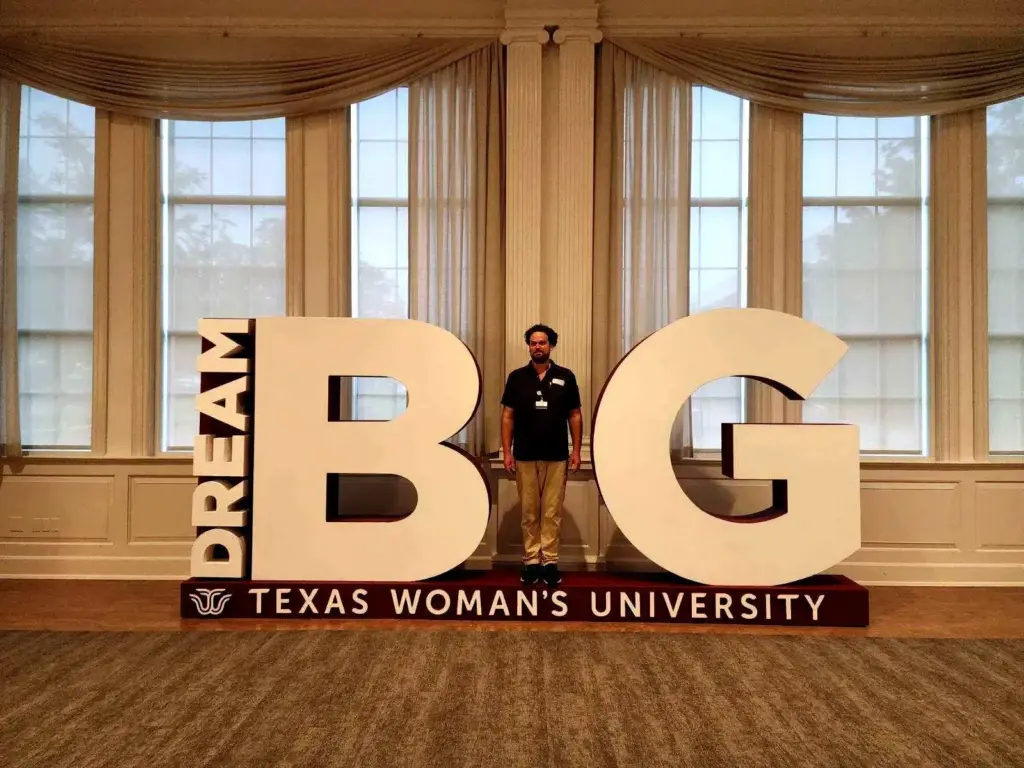
Oversized Dimensional Letters
Large-format branding designed for maximum visibility and engagement.
Trade Show Installations
Portable branding structures engineered to attract attention in crowded exhibition environments.
Experiential Brand Activations
Custom-fabricated installations designed specifically for events, product launches, and interactive marketing campaigns. At 3D Sign Factory, these installations range from dimensional lettering and corporate logos to large-scale branding environments engineered for commercial spaces, trade shows, brand centers, flagship stores, and corporate headquarters.
Creating an Unforgettable First Impression
Research consistently shows that people form opinions within seconds of entering a space.
When visitors walk into a reception area, office headquarters, showroom, or retail location, they immediately begin evaluating the organization behind the space.
A premium dimensional logo installation can communicate:
- Stability
- Innovation
- Industry leadership
- Professional excellence
- Design sophistication
Flat vinyl graphics often appear temporary. In contrast, dimensional branding suggests investment, commitment, and permanence.
This distinction becomes particularly important for:
- Corporate headquarters
- Financial institutions
- Technology companies
- Medical facilities
- Educational institutions
- Luxury retail environments
The Psychology Behind Dimensional Branding
Humans naturally respond to depth and texture.
Three-dimensional objects create visual interest because they interact with light, shadow, and perspective. These characteristics engage the brain more effectively than flat surfaces.
Dimensional branding benefits include:
Increased Attention
People naturally notice objects with physical depth more readily than flat graphics.
Better Brand Recall
Memorable environmental experiences improve long-term brand recognition.
Enhanced Perceived Value
Premium environments influence how customers perceive products and services.
Emotional Connection
Physical brand experiences create stronger emotional associations than purely digital interactions.
These psychological advantages explain why many leading brands continue investing heavily in experiential environments and architectural branding programs.
Material Selection: The Foundation of Successful Installations
The success of any branding installation depends heavily on material selection. Different projects require different solutions based on:
- Location
- Environmental exposure
- Weight limitations
- Installation requirements
- Budget
- Design objectives
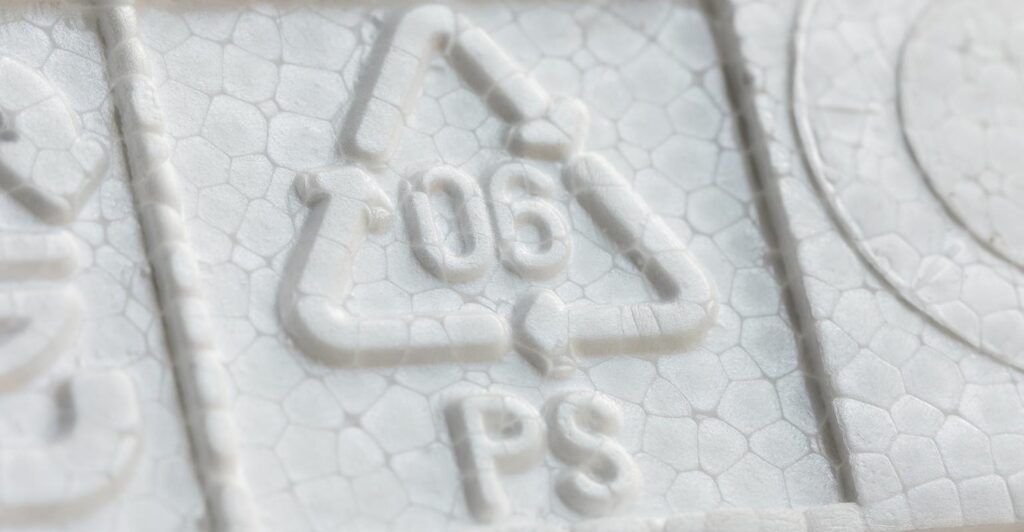
EPS Foam Fabrication
High-density EPS has become a popular solution for large-scale branding installations due to its lightweight properties and design flexibility.
Benefits include:
- Reduced structural load
- Easier transportation
- Faster installation
- Exceptional customization
- Cost efficiency for oversized elements
Advanced fabrication techniques allow EPS installations to achieve the appearance of heavier materials while maintaining manageable weight.
HDU Components
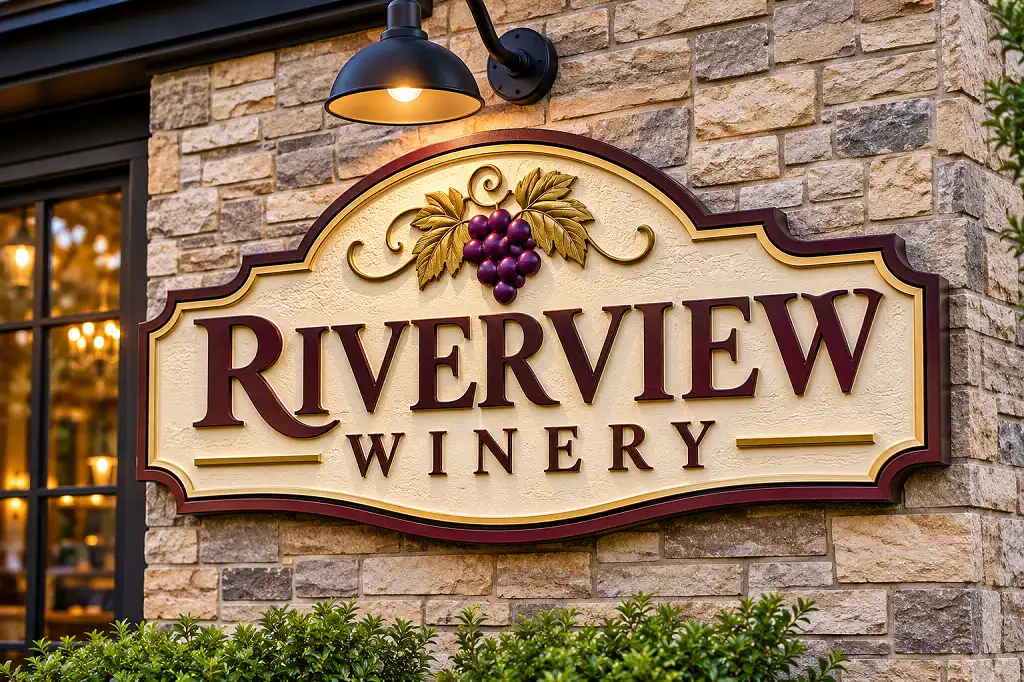
High-density urethane offers exceptional detail reproduction and durability. HDU is frequently selected for:
- Premium architectural signage
- Precision-carved branding elements
- Exterior dimensional installations
- Detailed corporate identity features
PVC Dimensional Letters
PVC lettering remains one of the industry’s most versatile solutions for dimensional branding because it combines durability, clean edge quality, installation flexibility, and cost efficiency. CNC-routed PVC elements provide sharp details and professional architectural appearance across a wide range of commercial applications.
Acrylic and Mixed-Media Systems
Modern branding installations increasingly combine:
- Acrylic
- Metal
- PVC
- HDU
- Foam cores
- Illumination systems
The result is a layered visual experience that enhances brand visibility and sophistication.
Engineering Behind Large-Scale Logo Installations
Many people focus exclusively on aesthetics, but successful installations begin with engineering.
Every project requires careful evaluation of:
Structural Considerations
- Wall conditions
- Mounting systems
- Wind loads
- Weight distribution
Viewing Distance
Logo proportions must remain readable from intended viewing distances.
Lighting Conditions
Natural and artificial lighting dramatically affect the appearance of dimensional signage.
Maintenance Requirements
Proper engineering minimizes future maintenance and extends service life.
At 3D Sign Factory, engineering consultation and customized fabrication are integrated into the development process, ensuring installations are both visually impressive and technically reliable.
Interior Branding Applications
Interior branding installations have become a defining feature of modern workplaces. Popular applications include:
Reception Areas
Large dimensional logos immediately establish brand identity upon arrival.
Corporate Culture Walls
Mission statements and brand values integrated into dimensional displays.
Conference Spaces
Custom branding reinforces organizational identity during meetings and presentations.
Innovation Centers
Three-dimensional graphics communicate creativity and forward-thinking culture.
Strong interior branding also contributes to employee engagement by reinforcing company culture and shared identity.
Exterior Branding Installations
Exterior branding must accomplish two goals simultaneously:
- Capture attention
- Withstand environmental exposure
Properly fabricated dimensional signage can maintain its appearance for years despite exposure to:
- UV radiation
- Moisture
- Wind
- Temperature fluctuations
Modern coatings and fabrication technologies help preserve structural integrity and visual quality over long periods. Lightweight engineered materials further simplify installation while reducing maintenance demands.
The Rise of Social Media-Friendly Installations
One of the most significant developments in branding over the past decade is the emergence of “shareable environments.”
Large-scale dimensional logos often become:
- Photo opportunities
- Event backdrops
- Visitor attractions
- Social media content generators
Organizations increasingly design installations with user-generated content in mind.
When visitors voluntarily photograph and share branded environments, businesses gain organic visibility far beyond the physical location itself.
Examples include:
- Oversized dimensional lettering
- Landmark-style installations
- Interactive brand sculptures
- Public-facing logo structures
These installations effectively turn customers into brand ambassadors.
Brand Consistency Across Multiple Locations
Franchise organizations and multi-location businesses face a unique challenge: maintaining visual consistency.
Advanced digital fabrication processes make it possible to reproduce:
- Logos
- Lettering
- ColorsTextures
- Dimensions
with exceptional accuracy across multiple sites.
Consistency strengthens brand recognition and ensures customers experience the same visual standards regardless of location.
Future Trends in 3D Branding Installations
The future of environmental branding is becoming increasingly immersive. Emerging trends include:
Integrated Illumination
Combining dimensional logos with advanced LED systems.
Interactive Experiences
Installations designed to encourage engagement and participation.
Mixed Materials
Combining architectural foam, acrylic, metal, and digital technologies.
Sustainable Fabrication
Long-lasting, lightweight materials that reduce transportation and installation impacts.
Experiential Environments
Transforming branding from signage into complete spatial experiences. Organizations that embrace these trends are positioning themselves to create stronger, more memorable connections with their audiences.
Conclusion
A logo represents far more than a visual identifier. It embodies an organization’s values, reputation, and promise to its customers.
When translated into a thoughtfully engineered 3D branding installation, that logo becomes a physical experience—one that visitors can see, interact with, and remember.
Whether installed in a corporate headquarters, retail environment, educational campus, hospitality venue, or public space, dimensional branding delivers a level of visibility, sophistication, and emotional impact that flat graphics simply cannot match.
As businesses continue seeking new ways to stand out in increasingly crowded markets, 3D logo and branding installations will remain one of the most effective tools for transforming brand identity into a lasting architectural presence.
Frequently Asked Questions
How long do 3D logo installations typically last?
With proper materials, coatings, and installation methods, professionally fabricated dimensional branding installations can maintain their appearance for many years in both interior and exterior environments.
Are oversized logo installations difficult to install?
Not necessarily. Lightweight engineered materials such as EPS and HDU significantly reduce installation complexity while maintaining structural integrity.
Can 3D logos be customized to match existing brand guidelines?
Yes. Modern CNC fabrication and digital manufacturing processes allow precise reproduction of corporate logos, colors, typography, and branding standards.
What industries benefit most from dimensional branding?
Corporate offices, retail stores, hospitality venues, healthcare facilities, educational institutions, entertainment venues, trade shows, and commercial developments all benefit from professional 3D branding installations.
Can branding installations be designed for temporary events?
Absolutely. Many installations are specifically engineered for trade shows, product launches, brand activations, and seasonal marketing campaigns while remaining lightweight and easy to transport.

Read more

The Importance of Hard Coating in Outdoor Signage: How Polyurea Coating Transforms Foam Structures into Durable Signage
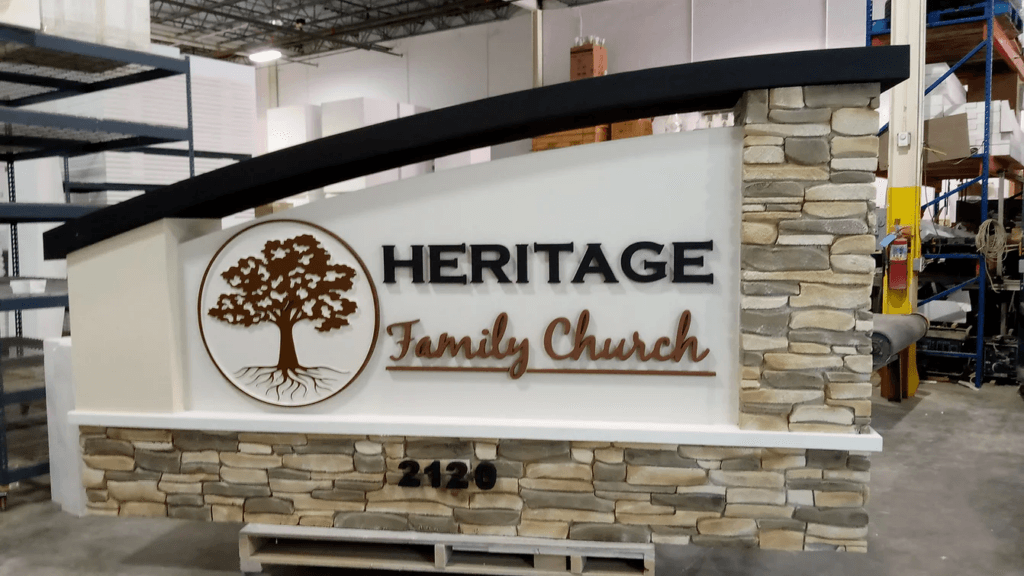
The Art of Imitation: How Faux Finishes Transform EPS Foam Into Stone, Metal & Wood

Beyond Traditional Materials: Why HDU Foam Is Replacing Wood and Stone in High-End Signage
The Hidden Science Behind High-Quality Foam Lettering & Dimensional Signage
Eco-Friendly Signage Solutions: Is HDU & EPS Foam the Sustainable Choice?

Why Lightweight Foam Monument Signs Are Ideal for Large-Scale Signage

The Importance of Proper Installation for Monument Signs

Foam vs. Metal Signs: Cost, Durability, and Aesthetic Considerations

The Importance of Proper Installation for Monument Signs

From One-Time WOW to Multi-Tour ROI
Recommended Articles
HDU Signs: What High-Density Urethane Foam Is and Why It’s a Premium Sign Choice
Acrylic Signs for Business: Types, Benefits, and How to Choose the Right Style
Industrial 3D Printing: Large-Scale Foam Prototypes, Models & Manufacturing Solutions
Molds for Stone Signs: The Foundation Behind Consistent Architectural Signage
Beyond the Booth: How Custom 3D Displays Make Brands Stand Out at Expos and Events
Sandblasted vs. Routed Signs: Which Is Right for Your Project?
Our customer reviews
Read more reviewsRead more reviews