Foam vs. Metal Signs: Cost, Durability, and Aesthetic Considerations
Introduction: Choosing the Right Material for Monument Signs
When it comes to monument signage, businesses and organizations face an important decision: Should they opt for foam or metal signs? Both materials have their advantages and limitations, and understanding these differences is crucial to making the best choice for your project.In this article, we will compare foam and metal monument signs in terms of cost, durability, aesthetics, and overall suitability for different types of projects. Whether you’re designing signage for a business, public space, or community, understanding the pros and cons of foam versus metal will help you make an informed decision.
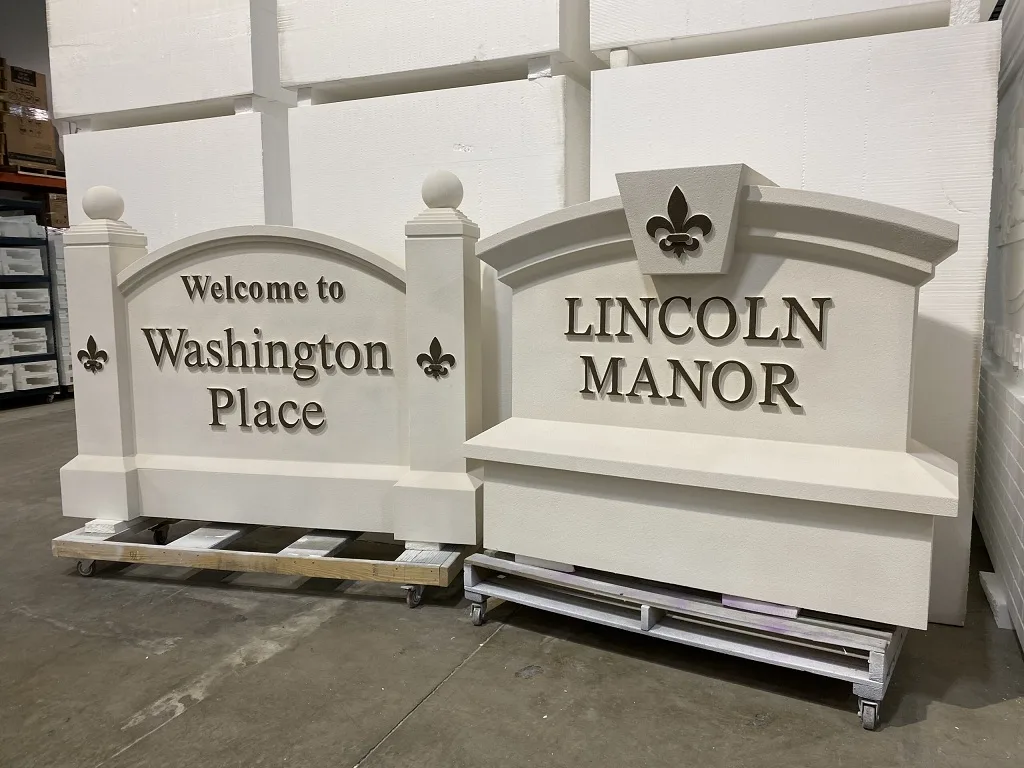
Cost Comparison: Foam vs. Metal
Foam Signs: Affordable and Cost-Effective
Foam signs are typically the more affordable option compared to metal signs. The material itself is less expensive, and the manufacturing process is simpler and faster. Foam signs are ideal for businesses on a budget, as they provide high-quality signage at a fraction of the cost of metal. The reduced weight of foam also leads to savings on shipping and installation.
Metal Signs: Higher Initial Investment
Metal signs, made from materials like aluminum, steel, or brass, generally come with a higher upfront cost. The raw material is more expensive, and the manufacturing process may require more time and specialized equipment. However, metal signs might have a pretty long lifespan, also making them a worthwhile investment in the long run.
Durability: Foam vs. Metal Signs
- Foam Signs: High Durability with Proper Coating
Foam signs, especially those with a hard-coated EPS finish, offer exceptional durability when properly treated. With the application of a polyurea coating, foam signs become highly resistant to moisture, UV rays, and minor abrasions, making them well-suited for long-term outdoor use. Additionally, foam signs are designed to withstand harsh weather conditions, including wind, rain, and temperature fluctuations, without compromising their structural integrity or aesthetic appeal.
- Metal Signs: High Durability
Metal signs are known for their robustness and ability to resist rust, corrosion, and wear. They perform exceptionally well in tough environments, especially in regions with extreme weather conditions. Materials like aluminum and stainless steel provide longevity, requiring very little maintenance. Metal signs are built to endure high winds, extreme temperatures, and heavy impacts, which makes them an ideal choice for long-lasting outdoor signage.
Aesthetic Appeal: Foam vs. Metal Signs
Foam Signs: Customizable and Versatile
Foam signs offer tremendous design flexibility. Using CNC machines and 3D modeling, foam can be molded into complex shapes, and a variety of finishes can be applied, from faux stone to smooth textures. This versatility allows for creative, unique designs that can replicate expensive materials without the high cost.
Metal Signs: Elegant and Timeless
Metal signs are often considered aesthetically sophisticated and have a timeless appeal. They offer a sleek, polished appearance that is well-suited to high-end brands and professional environments. The clean lines of metal make it perfect for modern, minimalist designs. Metal finishes such as brushed aluminum or powder-coated steel can add elegance and durability.

Environmental Impact: Foam vs. Metal
Foam Signs: Eco-Friendly Challenges
Foam signs are crafted from expanded polystyrene (EPS), a lightweight and versatile material that is highly recyclable. The recycling process for foam is continually improving, and there are systems in place to reduce waste and increase efficiency. Compared to other materials, EPS foam requires less energy to produce and transport, resulting in a smaller carbon footprint. Additionally, the durability and long lifespan of foam signs mean they don’t need frequent replacements, contributing to sustainability efforts over time.
For businesses focused on eco-friendly solutions, foam signs offer an environmentally responsible option with the added benefit of reducing overall material waste.
Metal Signs: Eco-Friendly Option
Metal signs, especially those made from aluminum, are highly recyclable. Metals can be reused without compromising quality, which makes them a more environmentally friendly option. Choosing metal for monument signs helps reduce waste and supports sustainability initiatives.
Conclusion: Which is Right for Your Project?
Choosing between foam and metal monument signs depends on several factors, including budget, durability, aesthetic preference, and environmental impact. Foam signs are a cost-effective and versatile option for businesses looking for unique designs at a lower price point. On the other hand, metal signs offer superior durability, a timeless aesthetic, and long-term value, making them ideal for businesses prioritizing longevity and professionalism.
Ultimately, both materials have their place in the world of monument signage, and the best choice will depend on your specific needs and goals.
Frequently Asked Questions
Which material is more cost-effective for a monument sign, foam or metal?
Foam signs are typically the more affordable option because the raw materials are cheaper and the manufacturing process is much faster. Additionally, their lightweight nature drastically reduces shipping and installation expenses compared to heavy metal alternatives.
How does the durability of foam monument signs compare to metal ones?
While metal signs naturally resist rust and endure heavy physical impacts, foam signs achieve exceptional outdoor durability through the application of a tough polyurea hard coat. This protective layer ensures the foam can withstand severe wind, rain, temperature fluctuations, and UV rays without compromising its structural integrity.
Can foam monument signs mimic the appearance of other materials?
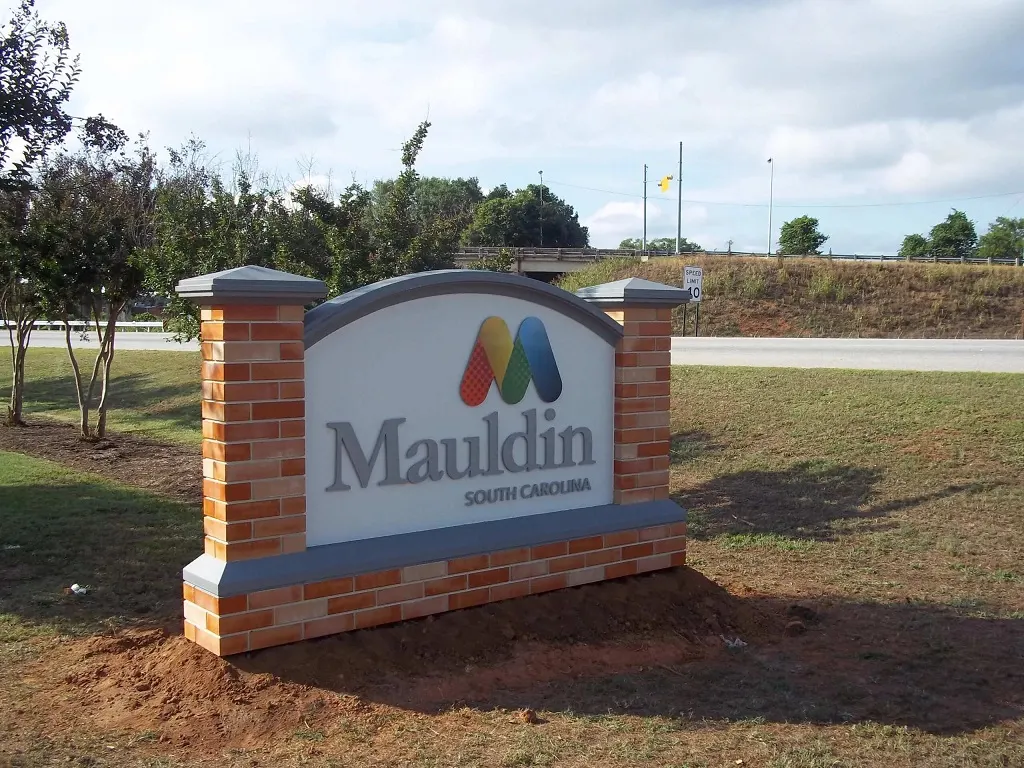
Yes, thanks to advanced CNC machining and 3D modeling, foam signs offer incredible design versatility and can be shaped into highly complex forms. They can be finished to flawlessly replicate the look of expensive architectural textures, such as faux stone, brick, or smooth stucco, at a fraction of the cost.
What are the aesthetic advantages of choosing a metal monument sign?
Metal signs, crafted from materials like brushed aluminum, brass, or powder-coated steel, offer a sleek, elegant, and timeless appearance. They are the perfect choice for high-end brands seeking a polished, modern, and highly professional aesthetic with clean architectural lines.
Are both foam and metal monument signs environmentally friendly?
Yes, both materials offer strong sustainability benefits, as metal is highly recyclable and can be reused indefinitely without losing its structural quality. Similarly, EPS foam is highly recyclable, requires significantly less energy to manufacture and transport, and boasts a very small carbon footprint.
How do I decide whether a foam or metal monument sign is right for my project?
Your decision should be based on your specific budget, custom design requirements, and long-term aesthetic goals. Foam is the ideal choice if you need a highly customizable, budget-friendly, and lightweight sign, while metal is best for those prioritizing a sleek, premium finish with maximum robust longevity.

Read more

The Importance of Hard Coating in Outdoor Signage: How Polyurea Coating Transforms Foam Structures into Durable Signage
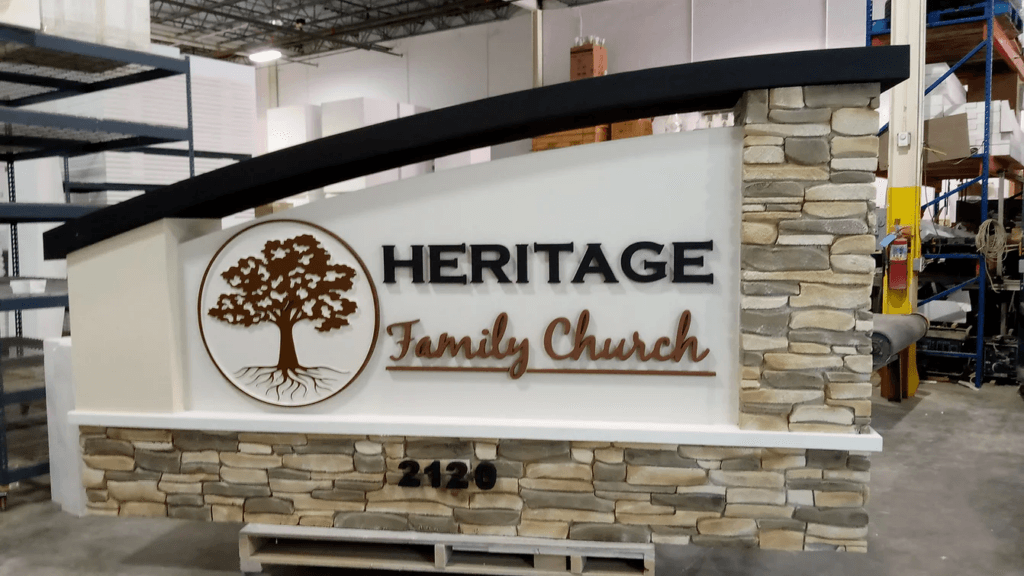
The Art of Imitation: How Faux Finishes Transform EPS Foam Into Stone, Metal & Wood

Beyond Traditional Materials: Why HDU Foam Is Replacing Wood and Stone in High-End Signage
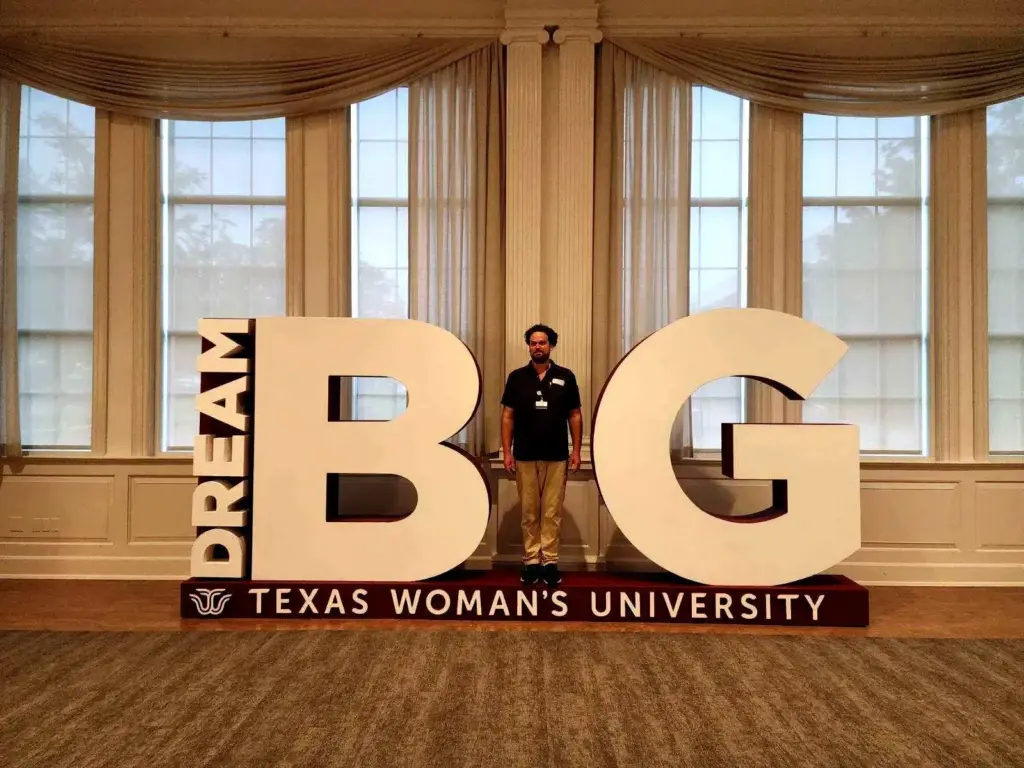
The Hidden Science Behind High-Quality Foam Lettering & Dimensional Signage
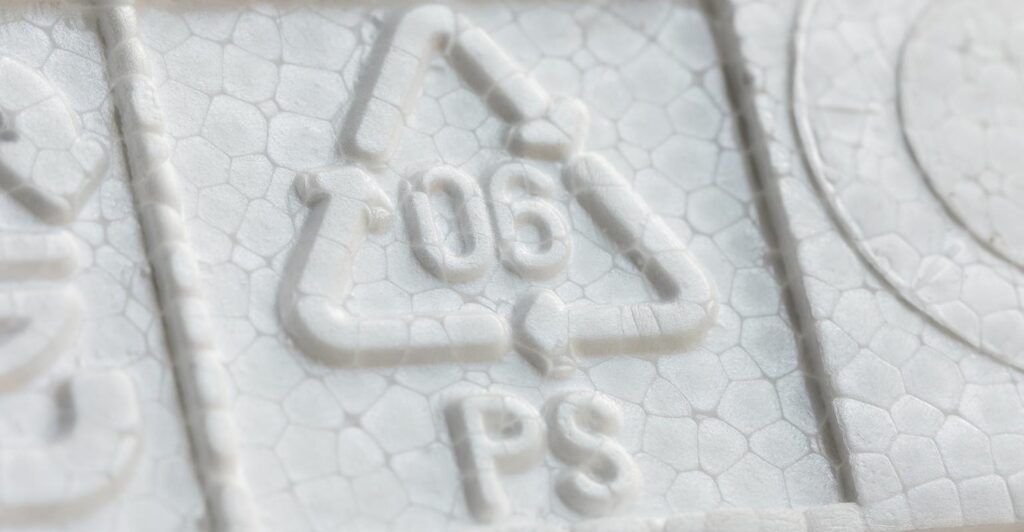
Eco-Friendly Signage Solutions: Is HDU & EPS Foam the Sustainable Choice?

Why Lightweight Foam Monument Signs Are Ideal for Large-Scale Signage

The Importance of Proper Installation for Monument Signs

The Importance of Proper Installation for Monument Signs

From One-Time WOW to Multi-Tour ROI

You’re Met by Your Looks, Welcomed by Your Substance
Recommended Articles
HDU Signs: What High-Density Urethane Foam Is and Why It’s a Premium Sign Choice
Acrylic Signs for Business: Types, Benefits, and How to Choose the Right Style
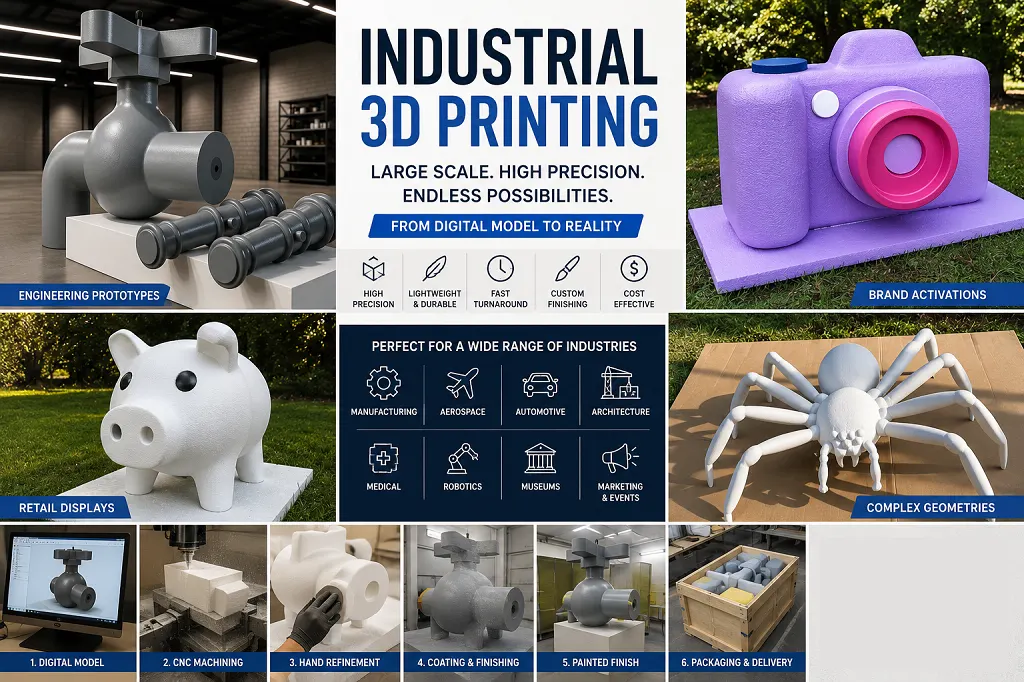
Industrial 3D Printing: Large-Scale Foam Prototypes, Models & Manufacturing Solutions
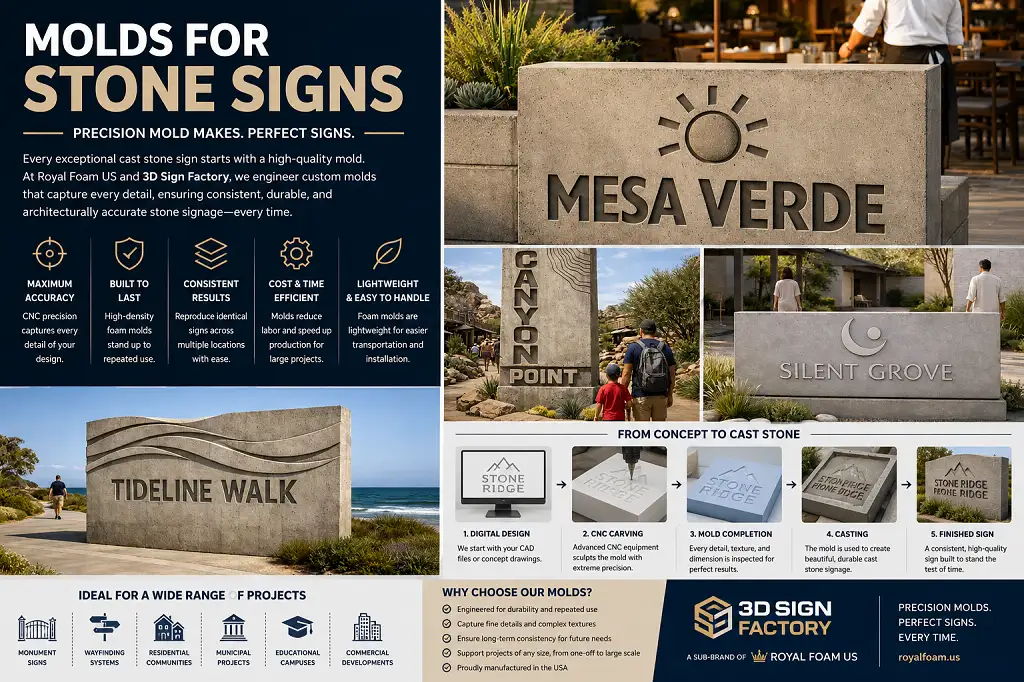
Molds for Stone Signs: The Foundation Behind Consistent Architectural Signage
Beyond the Booth: How Custom 3D Displays Make Brands Stand Out at Expos and Events
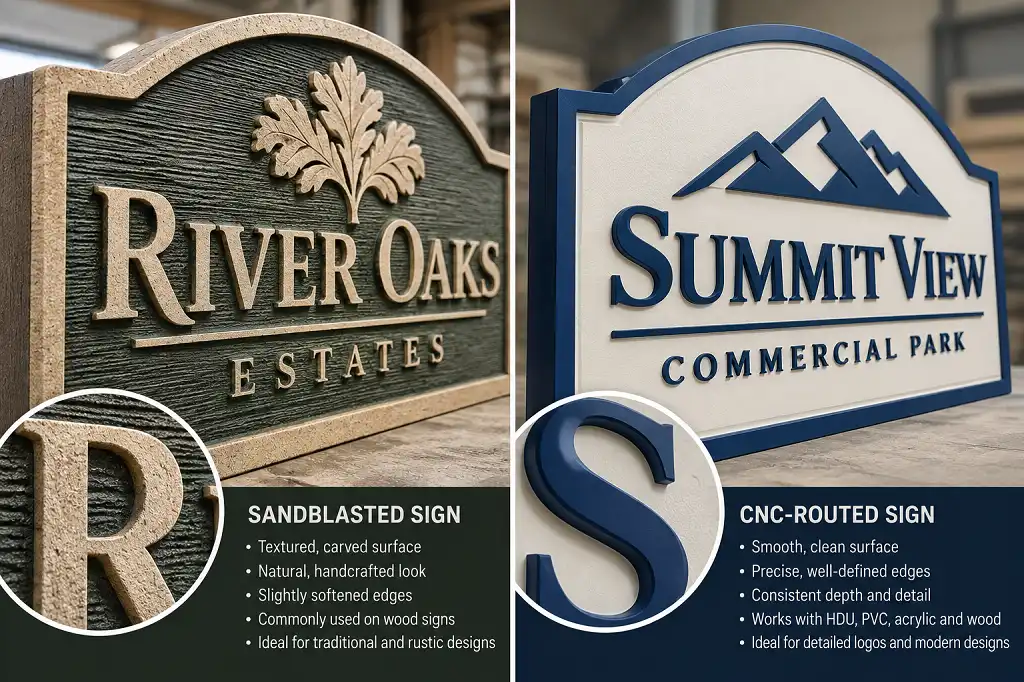
Sandblasted vs. Routed Signs: Which Is Right for Your Project?
Our customer reviews
Read more reviewsRead more reviews