The Importance of Proper Installation for Monument Signs
Introduction: Why Monument Sign Installation Matters
Monument signs are an integral part of a brand’s identity and serve as a first impression for visitors. Whether for a business, municipality, or public institution, the installation of these signs is a critical aspect that is often overlooked. The proper installation of monument signs not only ensures safety and durability but also enhances the overall aesthetic of the property. In this article, we explore the various steps involved in monument sign installation and discuss why getting it right the first time is essential.
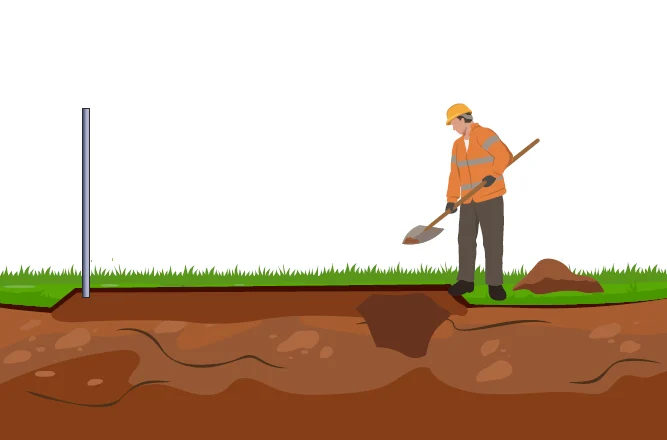
Step 1: Site Preparation – Laying the Foundation
The first step in installing a monument sign is preparing the site. Site preparation involves clearing the area of vegetation, debris, and any obstructions that could hinder the installation process. It is essential that the ground is leveled, and the exact location for the sign is carefully marked. Proper site preparation not only ensures that the sign will stand tall and firm but also provides a clean, professional look that aligns with the overall design.
- Clearing the Area: Removing any vegetation or debris ensures there are no obstacles that might interfere with the installation.
- Leveling the Ground: A stable, level foundation is crucial for the structural integrity of the monument sign.
Once the area is cleared, foam sheets should be placed on the ground to protect the surface of the monument during the initial setup. This simple step prevents scratches or damage during the handling process.
Step 2: Earthworks and Pipe Installation
After the site is prepared, the next step is to install the structural supports for the monument sign. The monument sign’s foundation typically consists of galvanized steel pipes that anchor the sign into the ground. The pipes must be inserted into the sign’s designated openings with precision to ensure stability.
- Inserting the Pipes: The galvanized steel pipes should be inserted coaxially into the openings, and expanding foam is used to fill the gap between the pipe and the sleeve. This ensures that the sign stays secure and aligned.
- Securing the Monument: Use wooden wedges to further secure the pipes and prevent movement. The foam must cure for 1-2 hours to create a firm bond between the sign and its supports.
Proper installation of these pipes is essential for maintaining the monument’s structural integrity. Without secure supports, the sign could become unstable, leading to potential safety hazards.
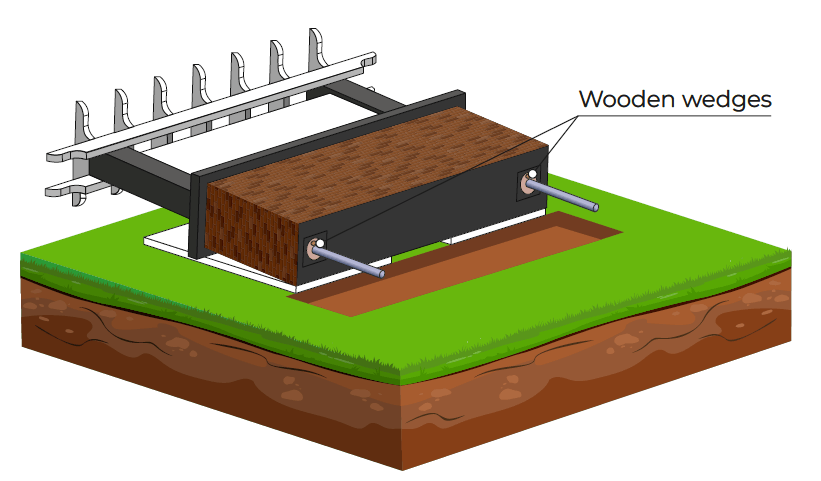
Step 3: Concrete Pouring – Securing the Monument Sign
Once the pipes are installed and the monument sign is secured, the next step is to pour concrete around the base to lock the sign in place. This process involves several critical steps:
- Leveling the Monument: Before pouring the concrete, ensure the monument sign is level. This will prevent any tilting or misalignment, which could affect its aesthetic appeal.
- Concrete Pouring: Concrete is poured into the prepared holes around the pipes, filling in the space to secure the sign in its position.
- Protection and Adjustment: During the pouring process, use a plywood sheet to protect the front surface of the sign. Once the concrete is poured, remove any wooden supports that were holding the sign in place.
After the concrete has been poured, it’s important to let it cure properly before removing any temporary supports. This ensures the sign is solidly secured and won’t shift or settle over time.
The Benefits of Proper Installation
Proper installation is not just about ensuring the monument sign stays in place—it’s about maximizing the sign’s longevity, aesthetic value, and overall performance. Here are some of the key benefits of a well-executed monument sign installation:
- Enhanced Durability: A sign that is installed correctly is less likely to suffer from wear and tear caused by weather, vibrations, or shifting ground.
- Improved Safety: Proper installation ensures the sign is secure, reducing the risk of it becoming a hazard due to instability.
- Aesthetic Appeal: A well-installed sign will appear professional and aligned, boosting the overall aesthetic of the property. Misalignment or improper installation can detract from the sign’s appearance and effectiveness.
Proper monument sign installation also helps in protecting the sign from external threats. For instance, surrounding vegetation can shield the sign from lawnmowers, while positioning the sign away from areas prone to flooding or erosion can prevent damage over time.

Conclusion: Why Proper Monument Sign Installation Is Key to Long-Term Success
The installation process of a monument sign is a critical element that determines its success. A sign that is installed properly ensures long-term stability, durability, and aesthetic appeal, which are essential for making a lasting impression on visitors, clients, and customers. By paying close attention to each step of the installation—from site preparation to concrete pouring—you ensure that the sign will serve its purpose for many years to come.
For businesses, municipalities, or institutions looking to invest in monument signage, proper installation is the key to achieving a functional, safe, and beautiful display that will withstand the test of time.
For more information on monument sign installation, please visit our dedicated page on
Frequently Asked Questions
Why is proper site preparation so critical before installing a monument sign?
Clearing debris and leveling the ground ensures a completely stable foundation that maintains the structural integrity of the entire monument. Furthermore, laying down foam sheets during this initial stage protects the sign’s custom surface from scratches and cosmetic damage during handling.
What role do galvanized steel pipes play in the structural support of the sign?
Galvanized steel pipes act as the primary internal anchor, securing the lightweight monument sign deep into the ground. These pipes are inserted into the sign’s openings and sealed with expanding foam and wooden wedges to prevent any shifting or structural instability.
How long does the internal expanding foam need to cure during assembly?
The expanding foam injected between the steel support pipes and the sign’s internal sleeves requires 1 to 2 hours to cure completely. This curing period creates a rock-solid, permanent bond that keeps the monument perfectly aligned before the final installation steps.
Why must the monument sign be checked for level before pouring the concrete?
Checking the level prevents the sign from tilting, leaning, or sinking into a misaligned position that would ruin its clean, professional appearance. Achieving perfect alignment before the concrete sets ensures the display looks structurally flawless from all viewing angles.
How is the face of the monument sign protected while the concrete is being poured?
Installers place a protective plywood sheet directly in front of the monument sign’s face during the pouring stage. This temporary shield blocks wet concrete splatters, heavy tools, and rough debris from marring the sign’s premium painted or textured finish.
What are the long-term benefits of investing in a professional monument sign installation?
A precise, professional installation maximizes the sign’s longevity by protecting it against harsh weather wear, ground vibrations, and structural shifting. It also ensures public safety by eliminating tip-over hazards while keeping your corporate branding looking straight, elite, and beautifully executed.

Read more

The Importance of Hard Coating in Outdoor Signage: How Polyurea Coating Transforms Foam Structures into Durable Signage
The Art of Imitation: How Faux Finishes Transform EPS Foam Into Stone, Metal & Wood

Beyond Traditional Materials: Why HDU Foam Is Replacing Wood and Stone in High-End Signage

The Hidden Science Behind High-Quality Foam Lettering & Dimensional Signage
Eco-Friendly Signage Solutions: Is HDU & EPS Foam the Sustainable Choice?

Why Lightweight Foam Monument Signs Are Ideal for Large-Scale Signage

The Importance of Proper Installation for Monument Signs

Foam vs. Metal Signs: Cost, Durability, and Aesthetic Considerations

From One-Time WOW to Multi-Tour ROI

You’re Met by Your Looks, Welcomed by Your Substance
Recommended Articles
HDU Signs: What High-Density Urethane Foam Is and Why It’s a Premium Sign Choice
Acrylic Signs for Business: Types, Benefits, and How to Choose the Right Style
Industrial 3D Printing: Large-Scale Foam Prototypes, Models & Manufacturing Solutions
Molds for Stone Signs: The Foundation Behind Consistent Architectural Signage
Beyond the Booth: How Custom 3D Displays Make Brands Stand Out at Expos and Events
Sandblasted vs. Routed Signs: Which Is Right for Your Project?
Our customer reviews
Read more reviewsRead more reviews