


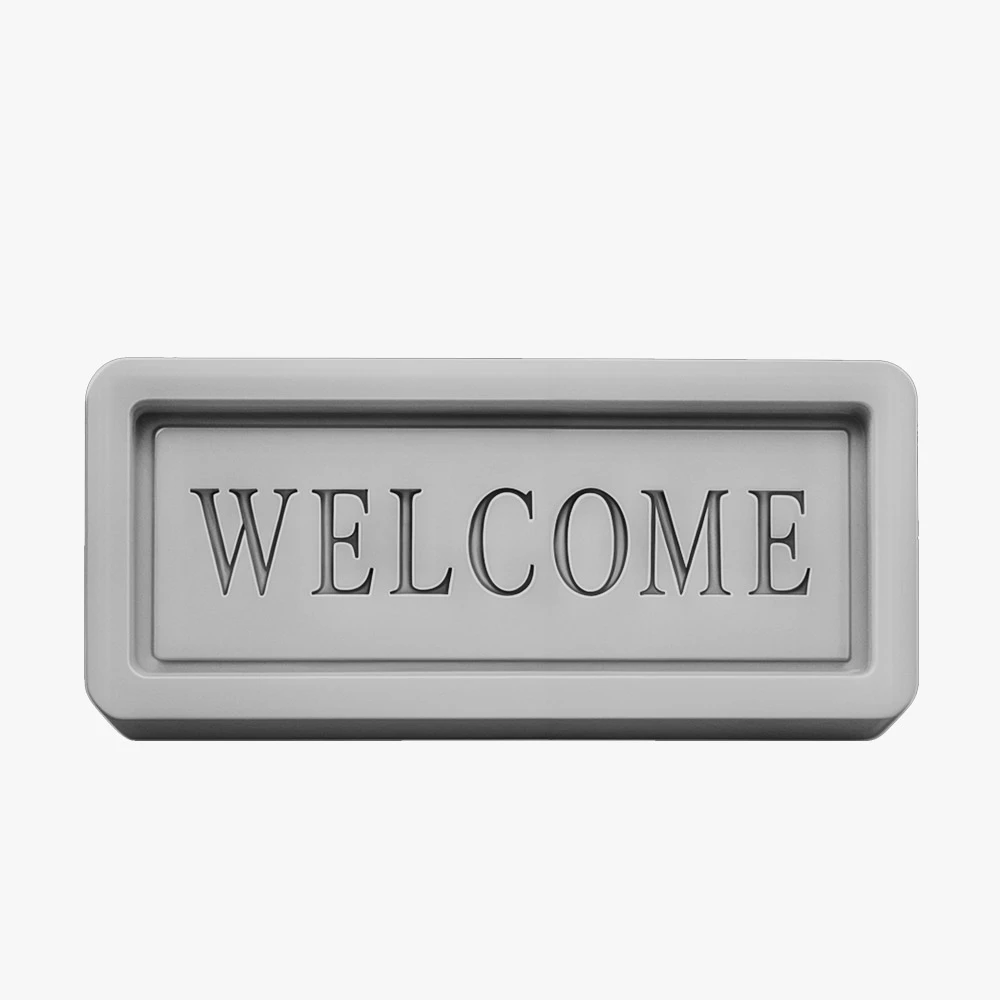
 Molds for Stone Signs classic model 1
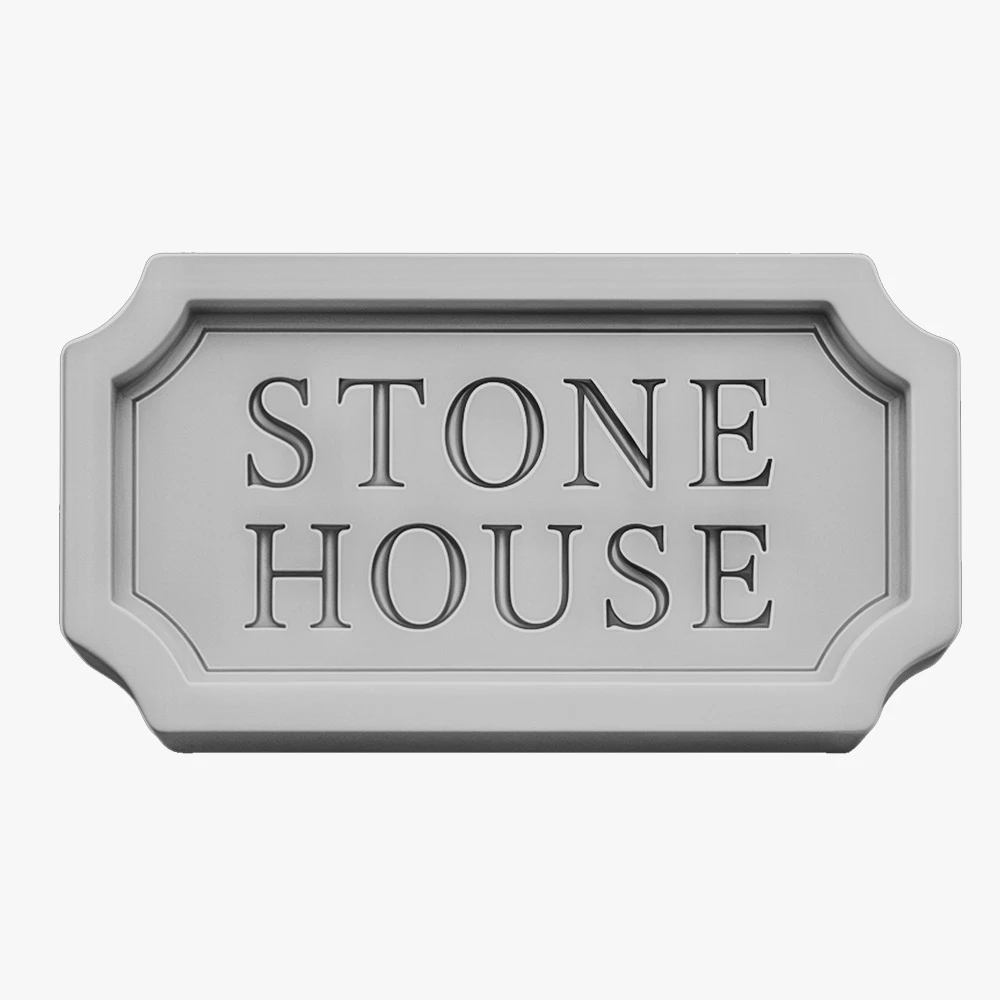 Molds for Stone Signs classic model 2
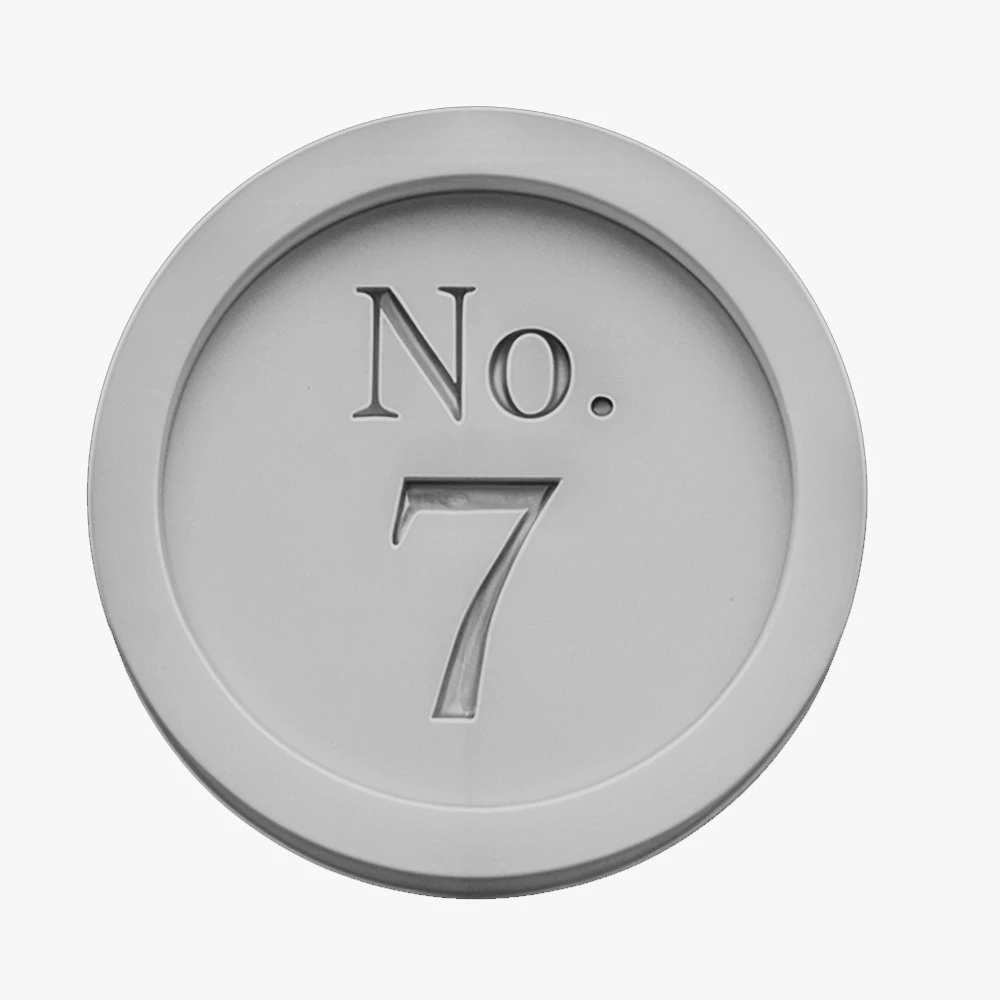 Molds for Stone Signs classic model 3
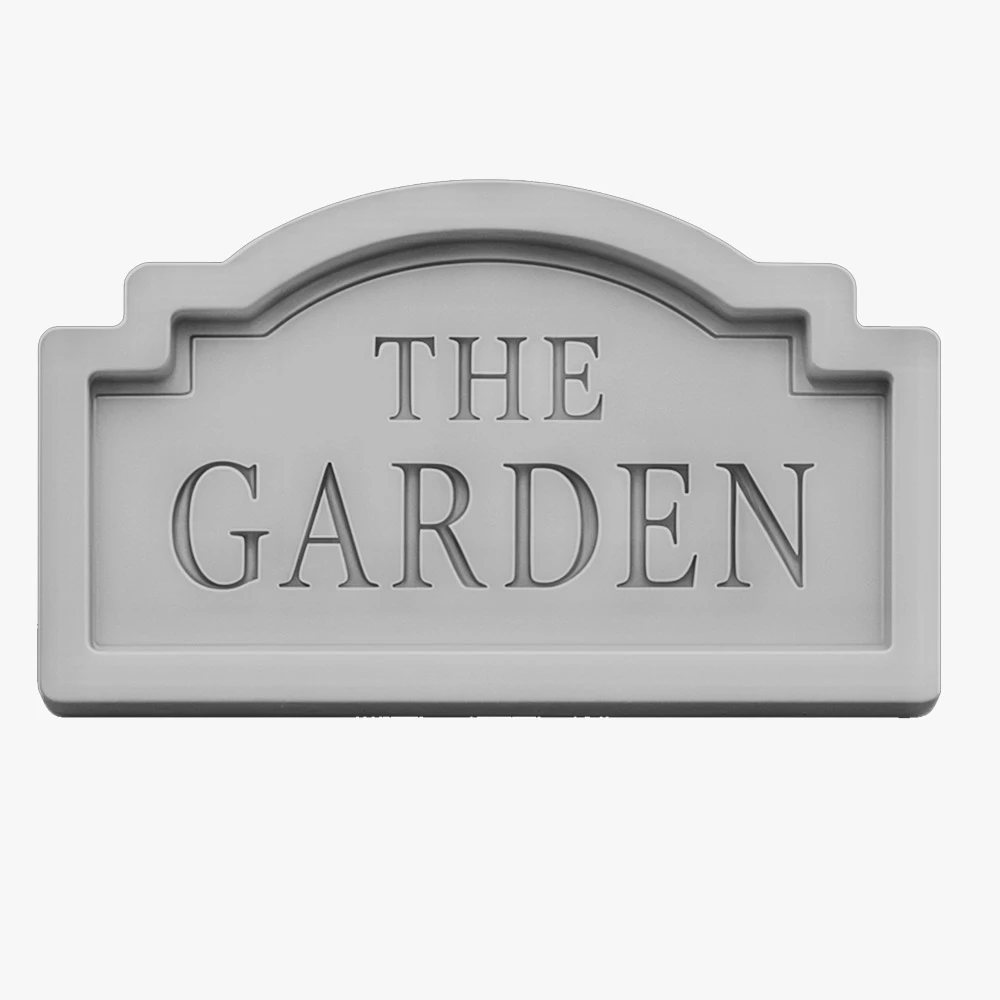 Molds for Stone Signs classic model 4
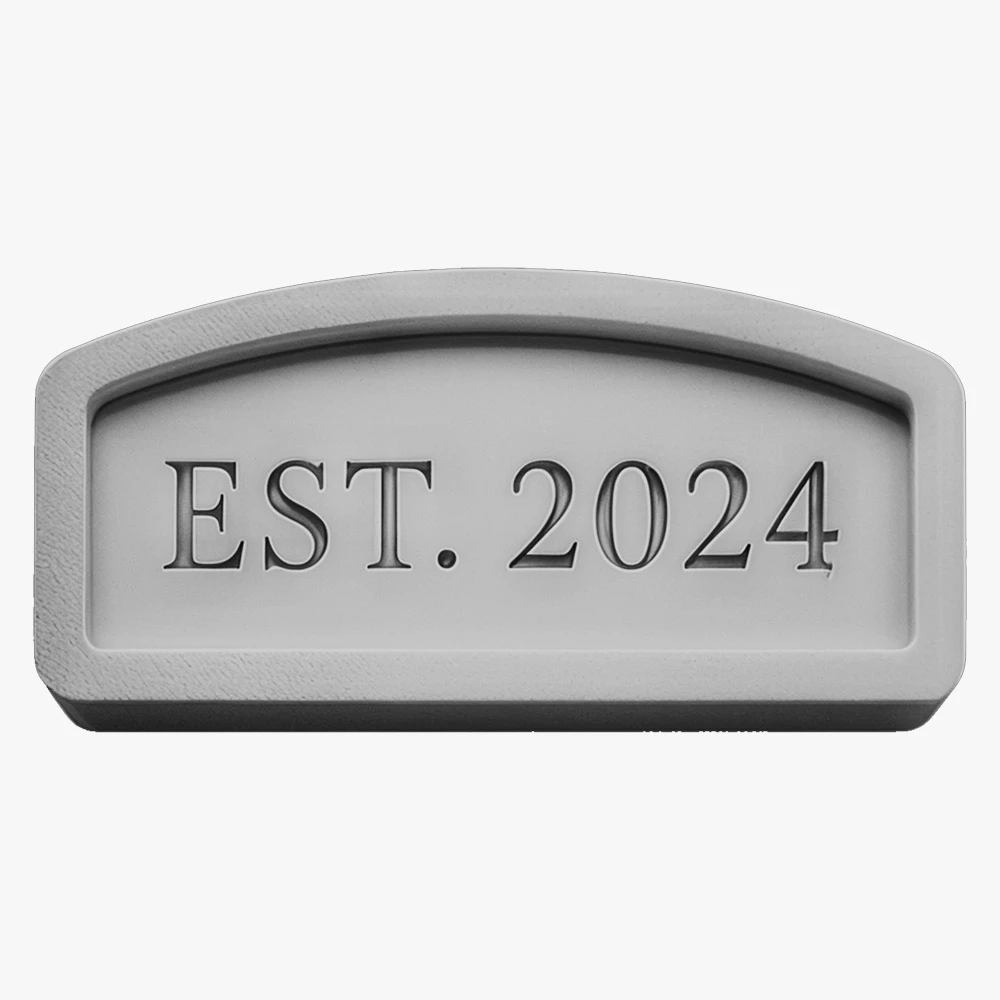 Molds for Stone Signs classic model 5
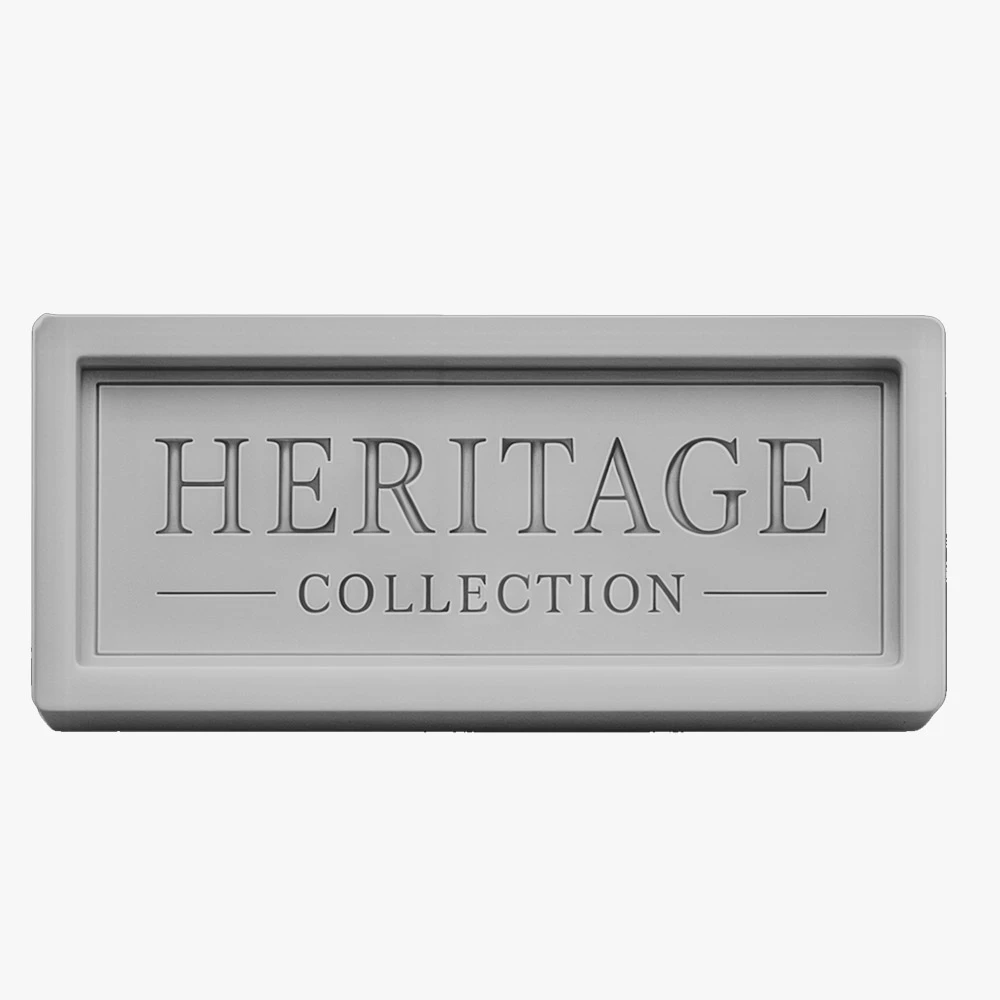 Molds for Stone Signs classic model 6
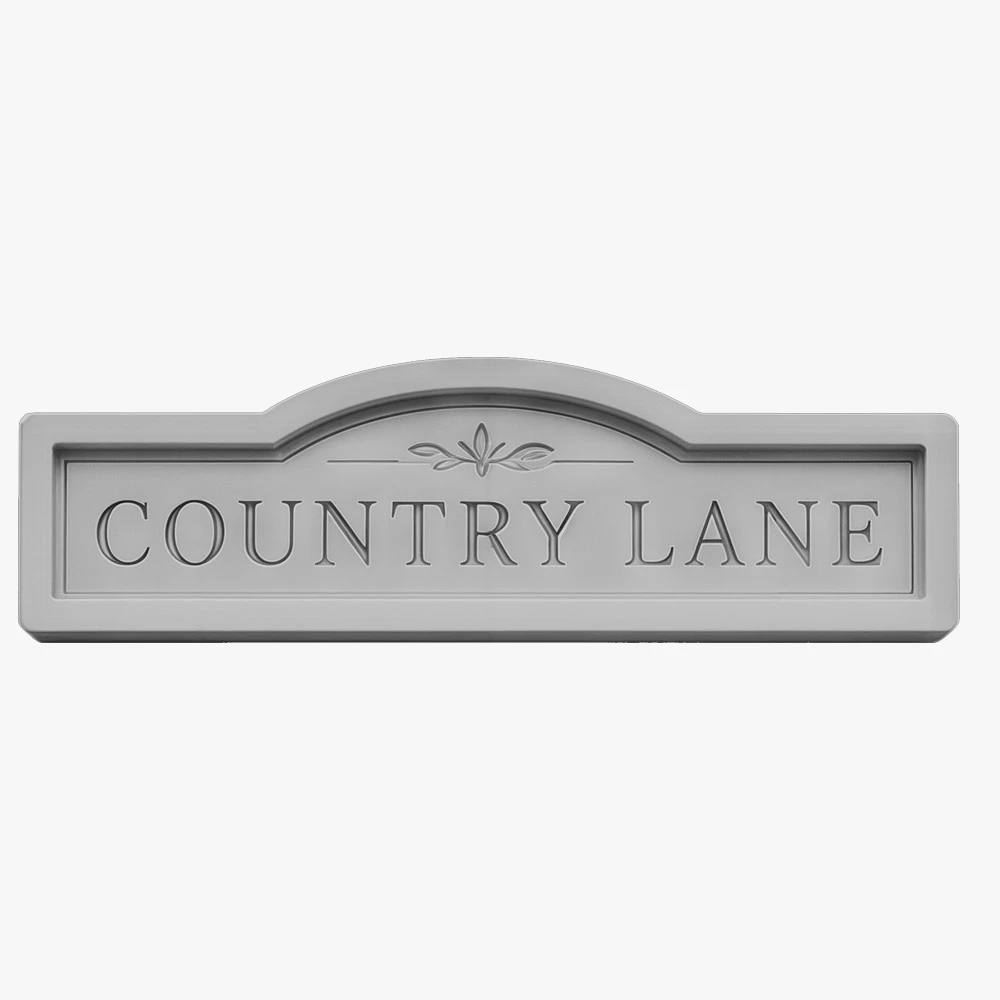 Molds for Stone Signs classic model 7
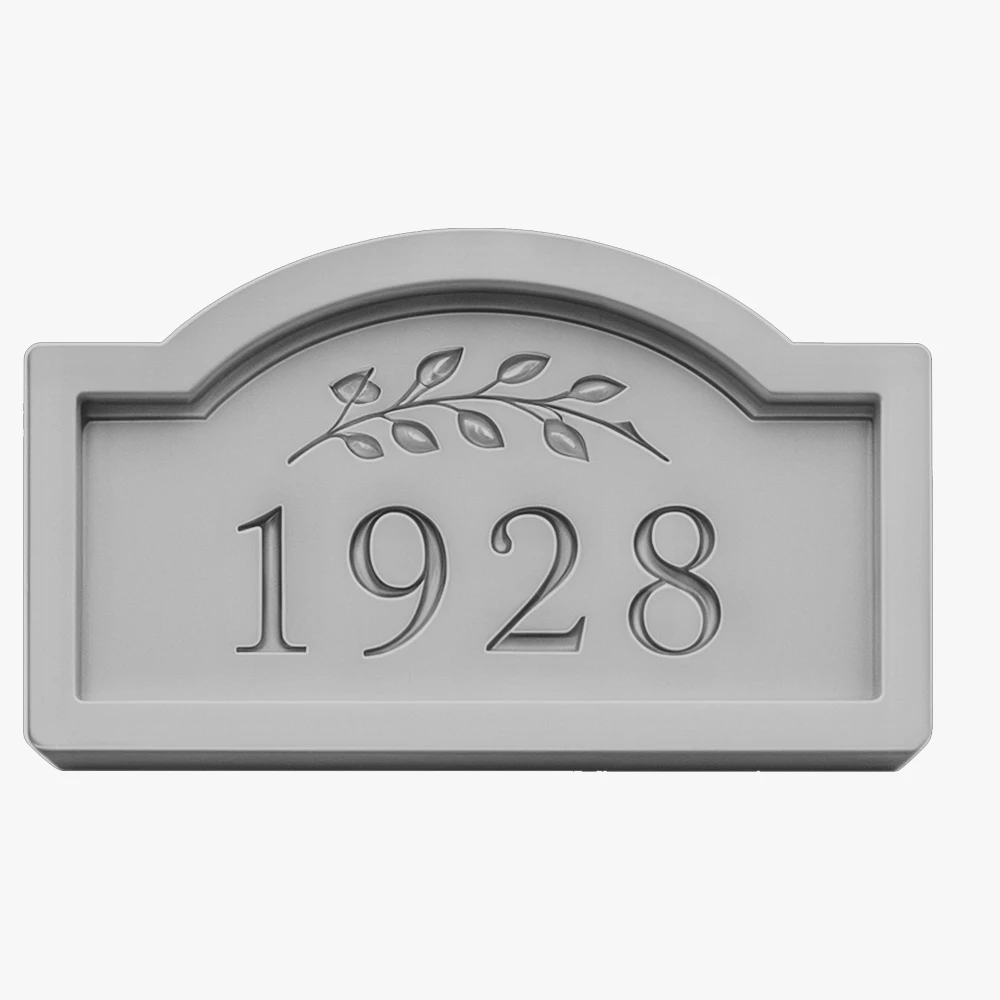 Molds for Stone Signs classic model 8


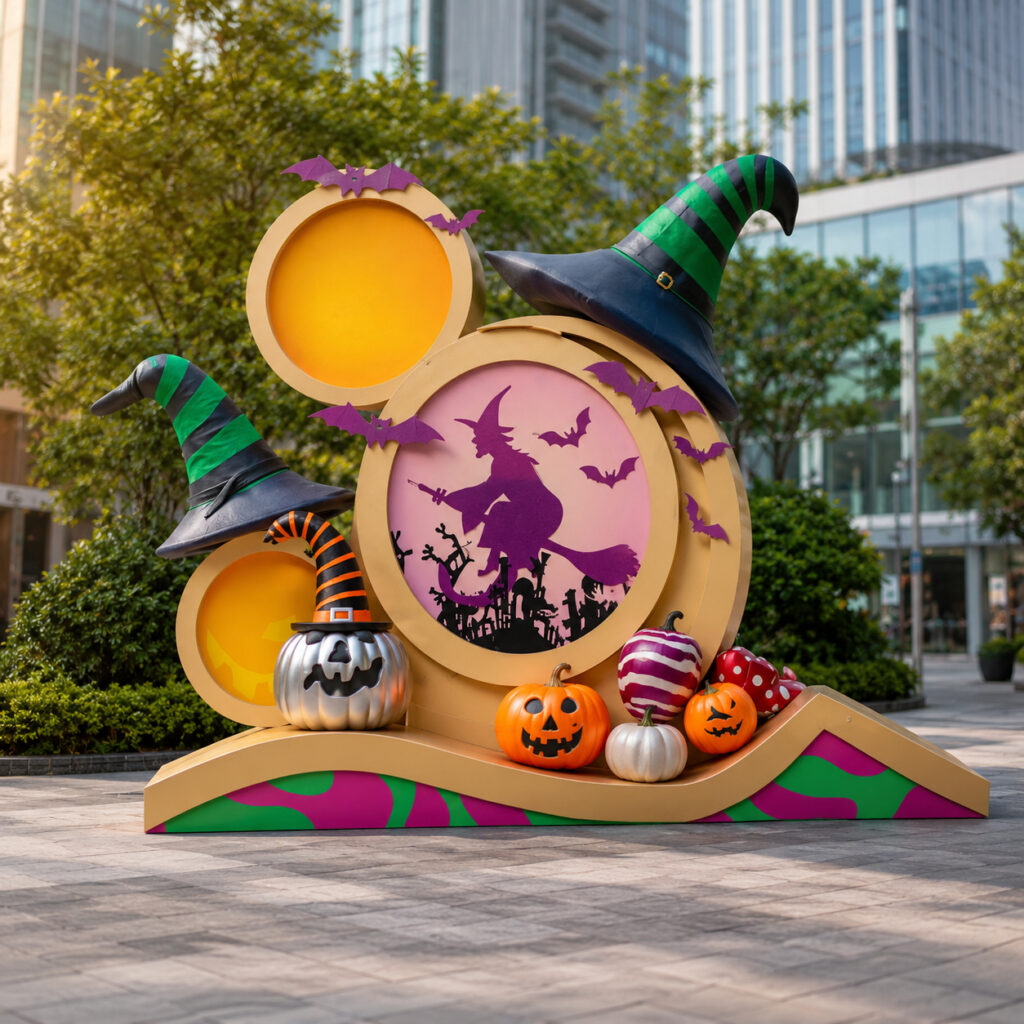




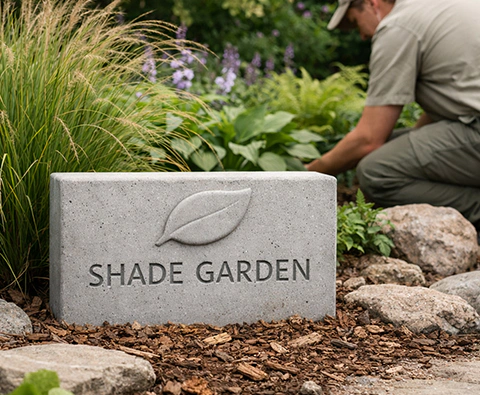
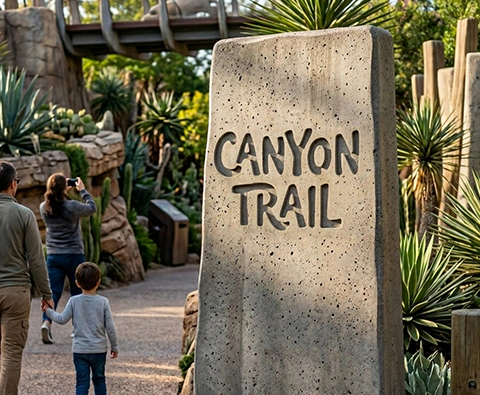
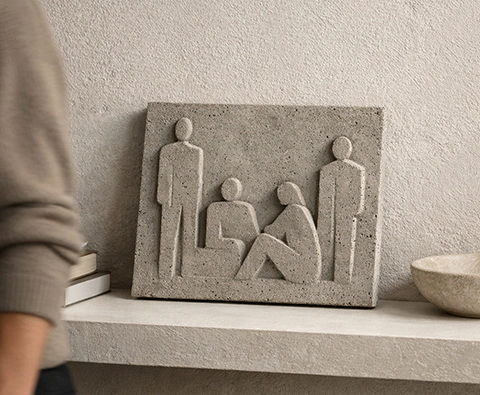

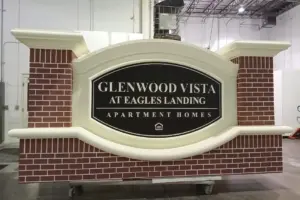
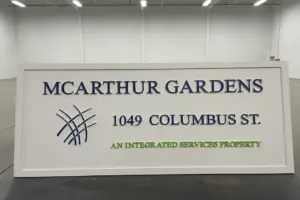
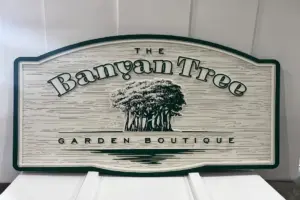

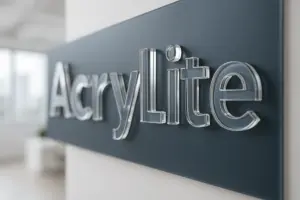

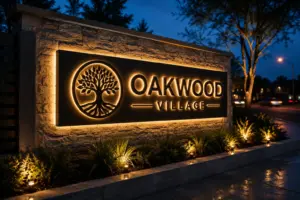


Molds for Stone Signs
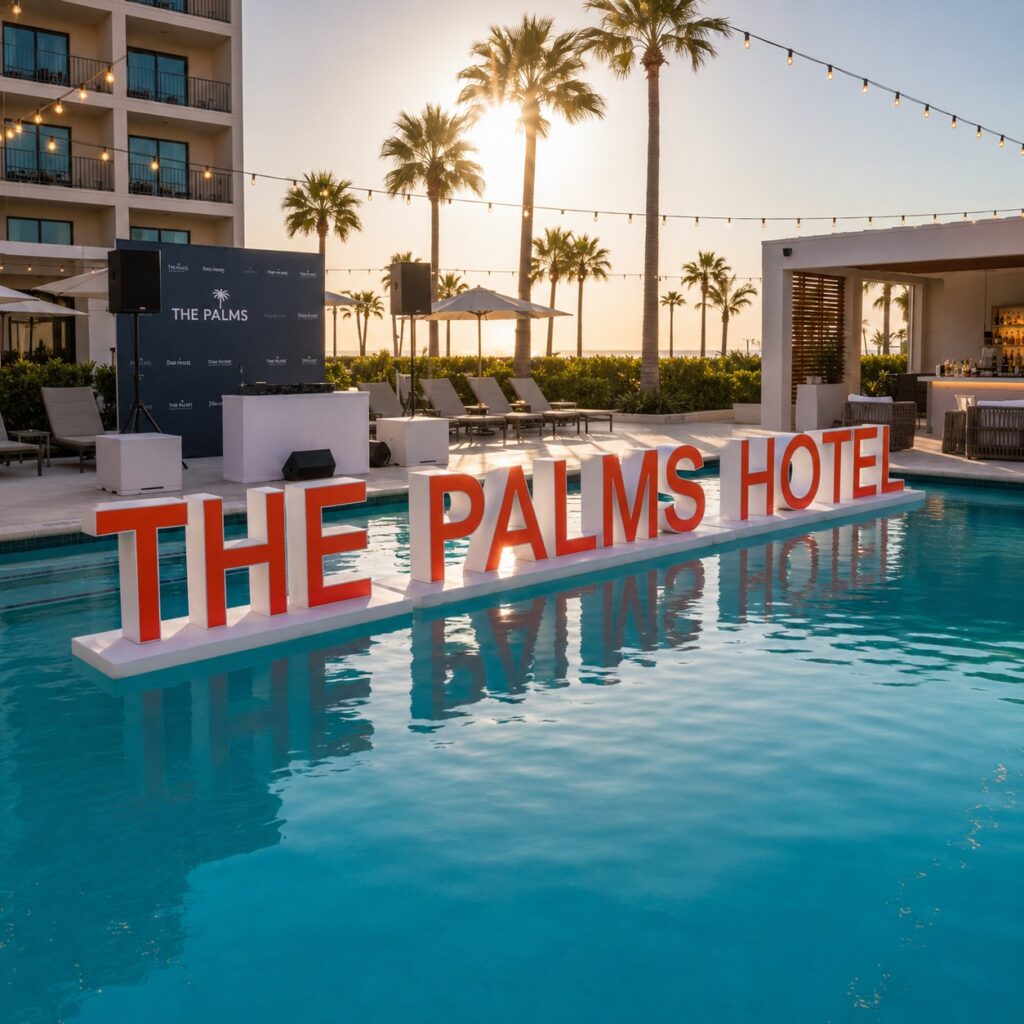
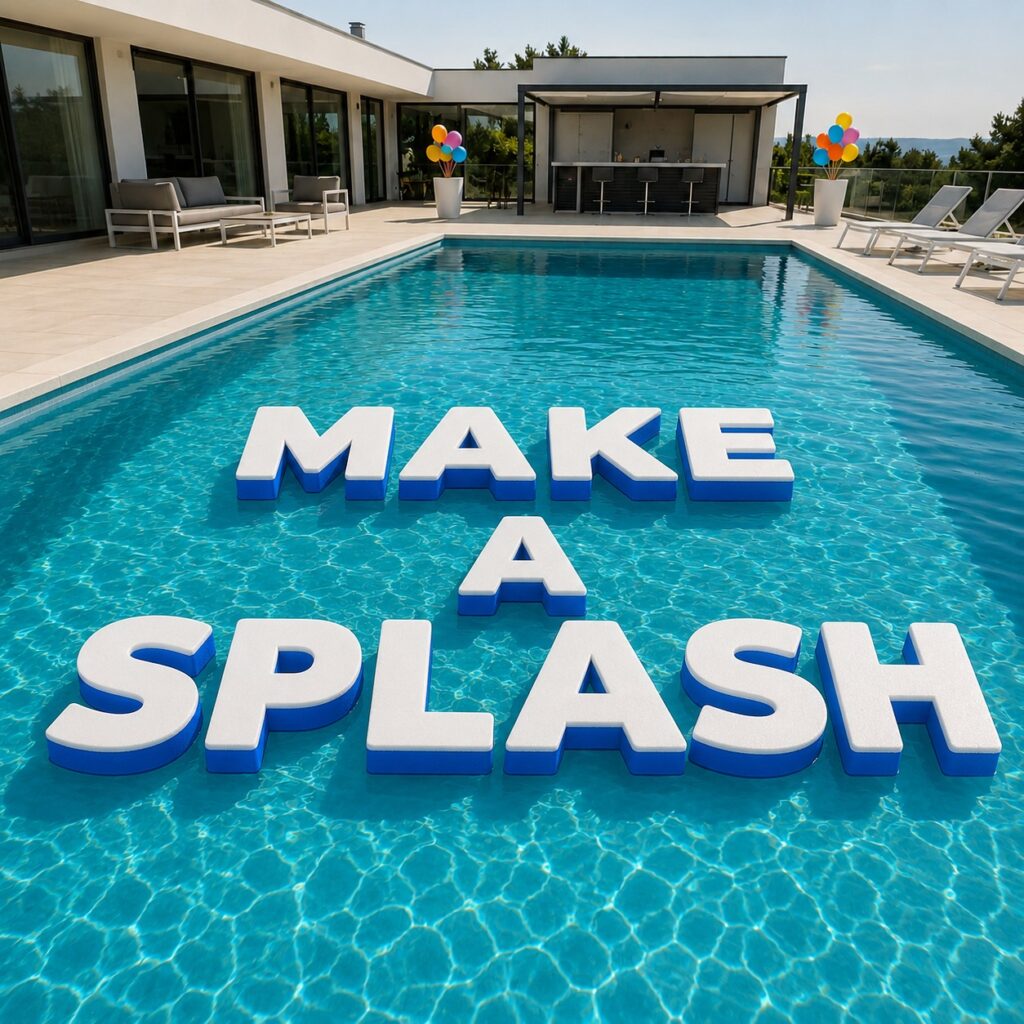
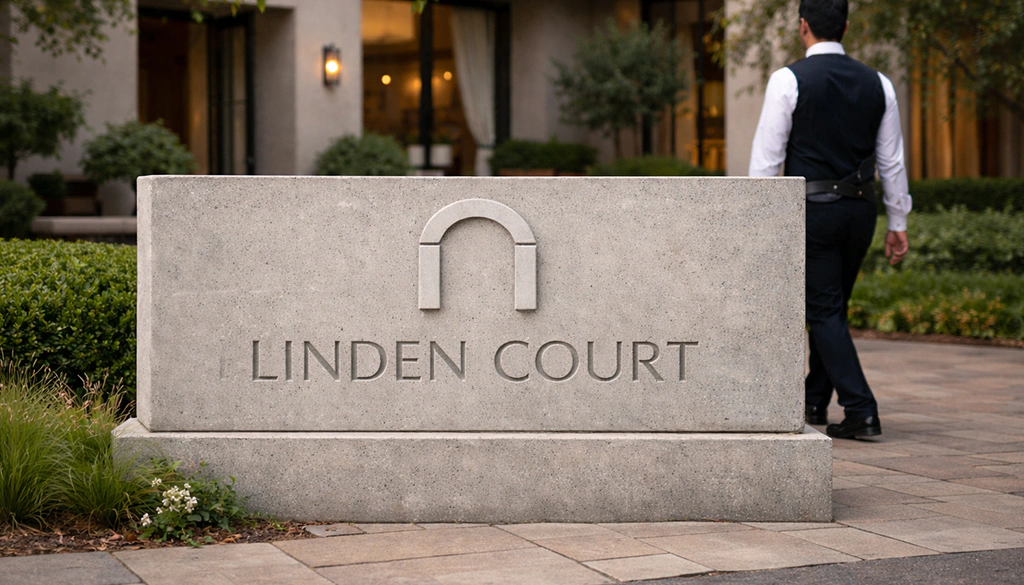
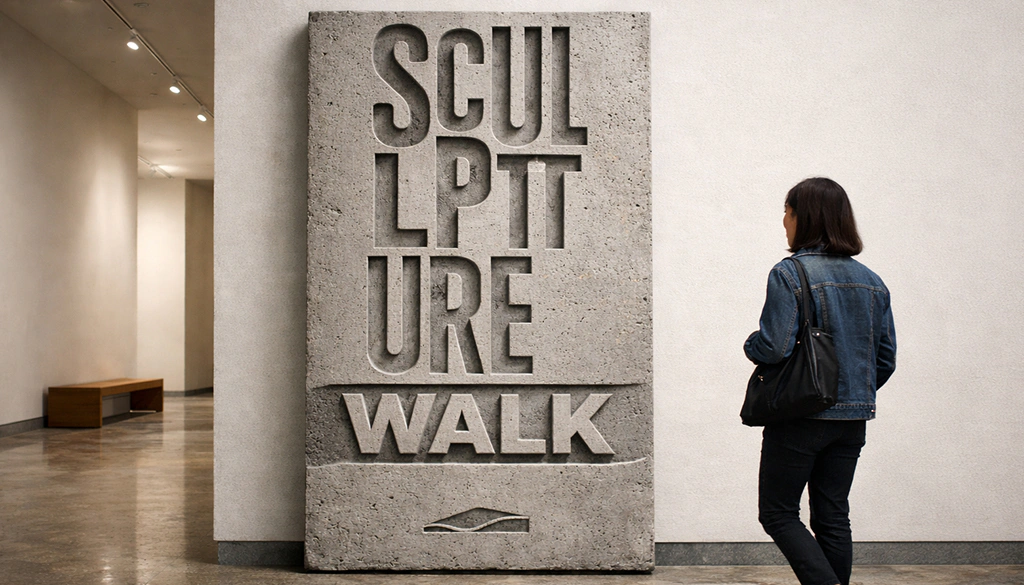
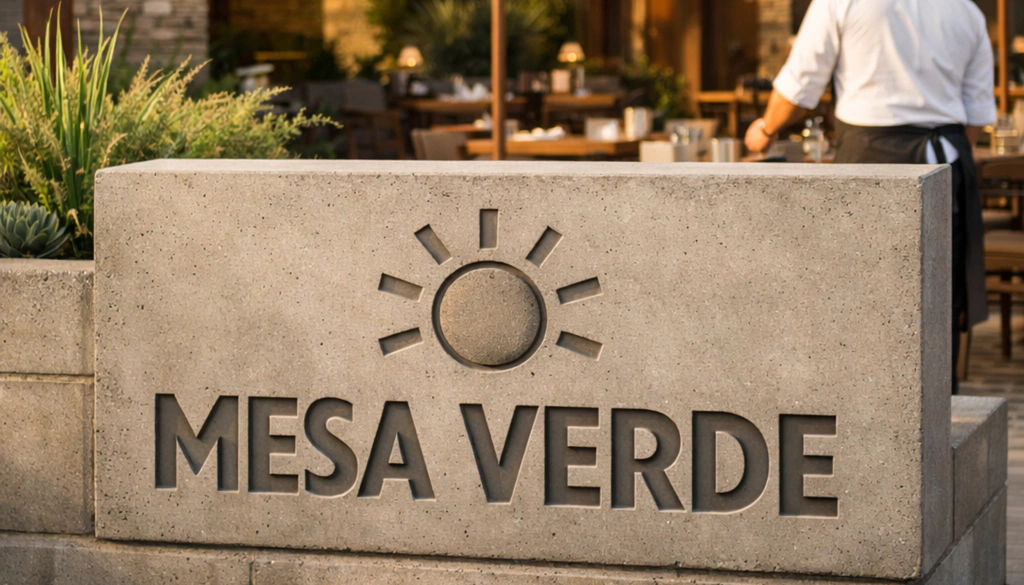
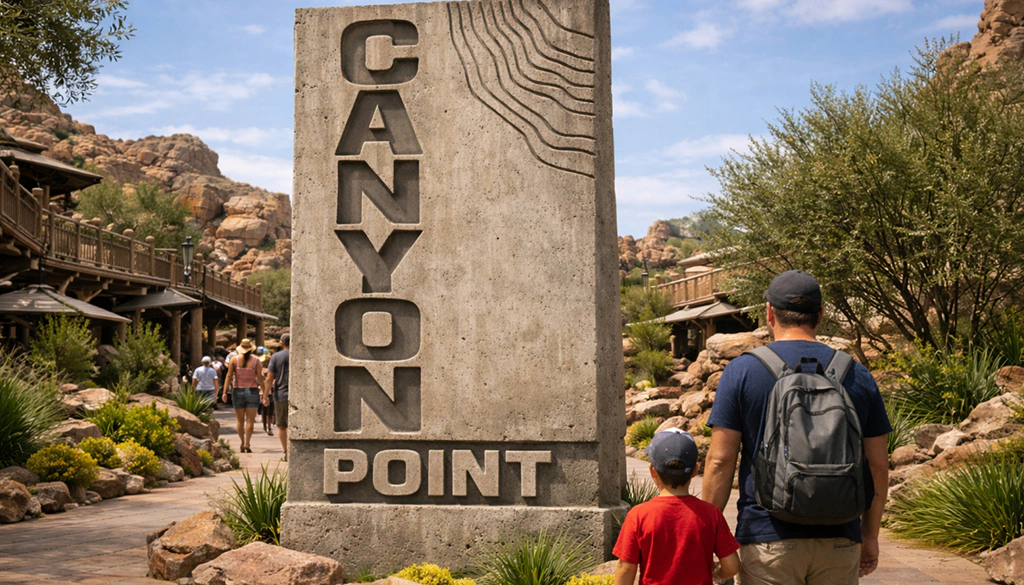
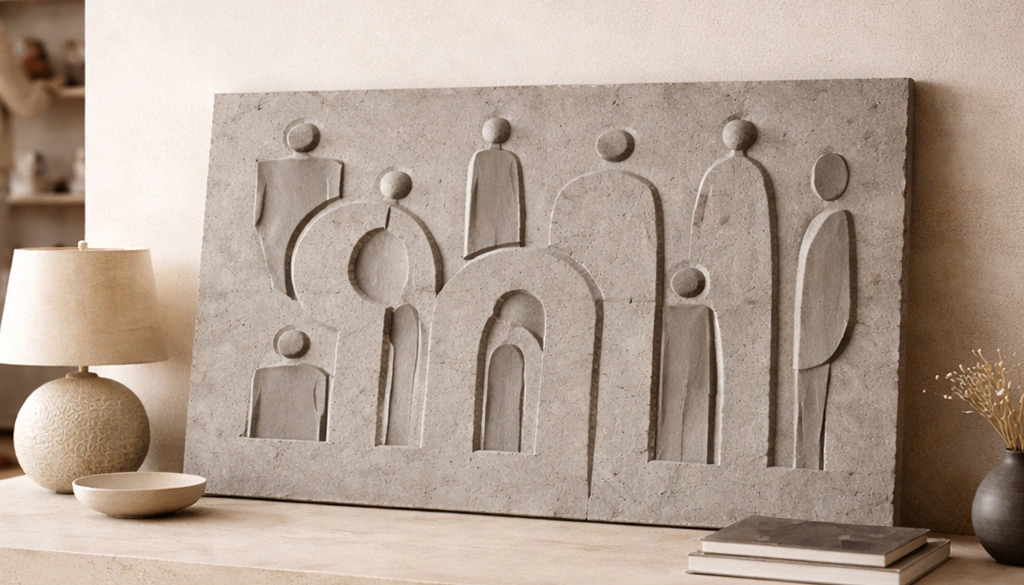
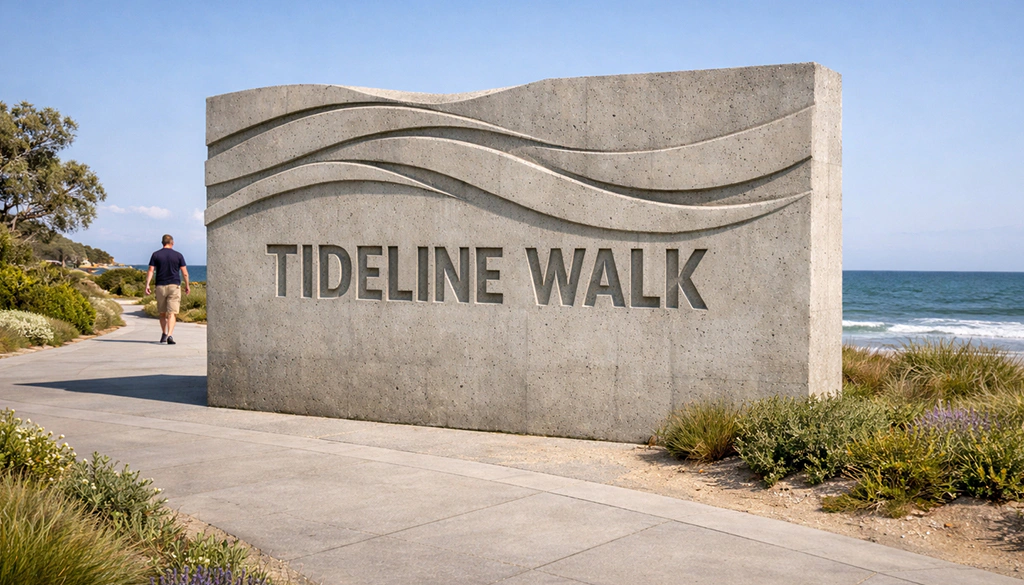
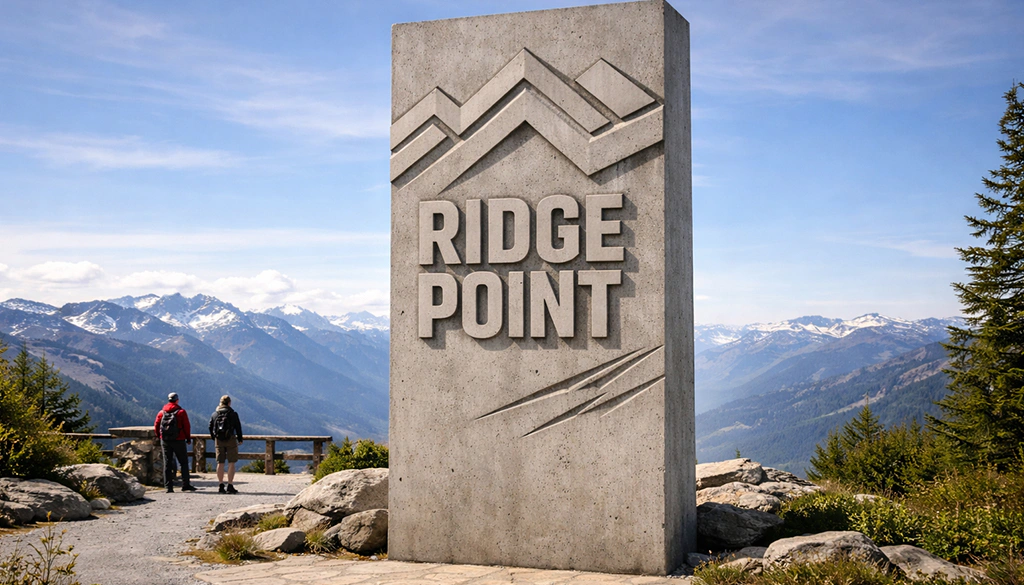
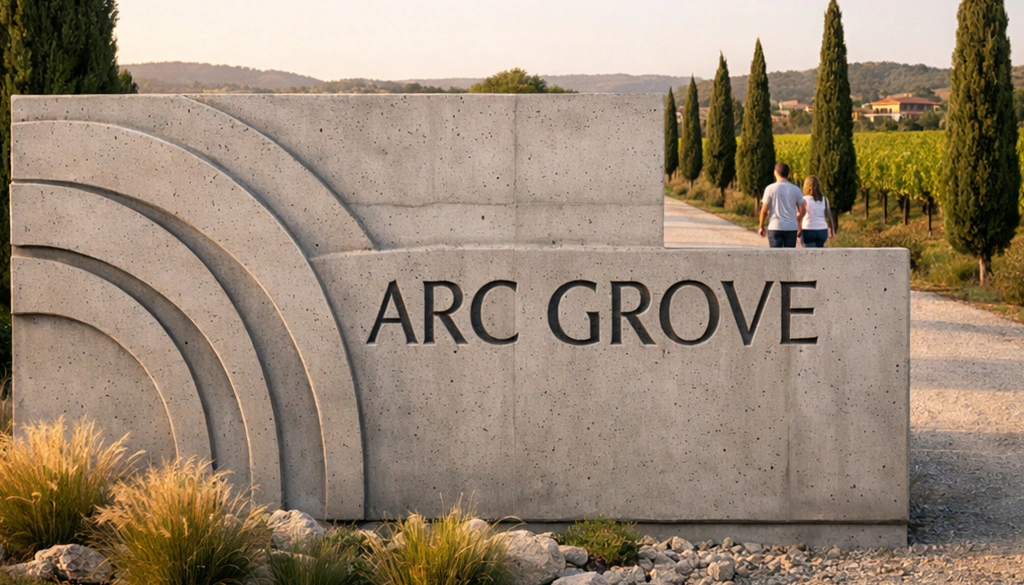
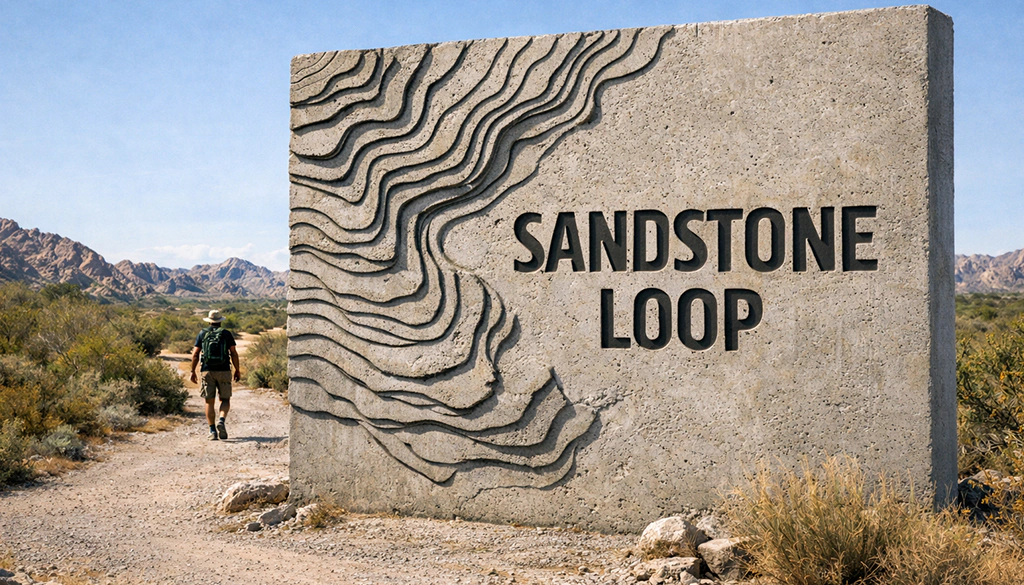
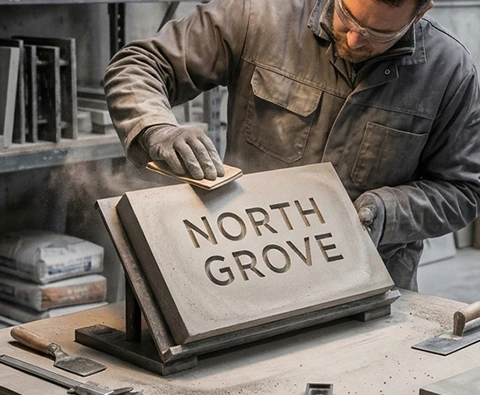
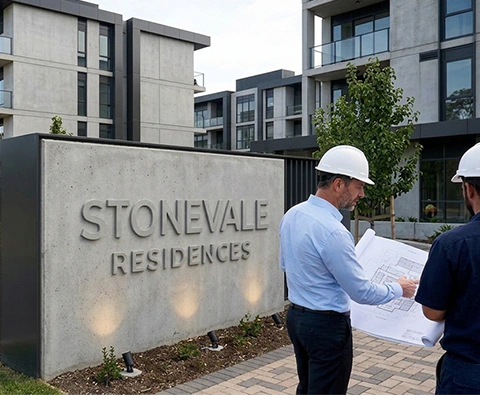
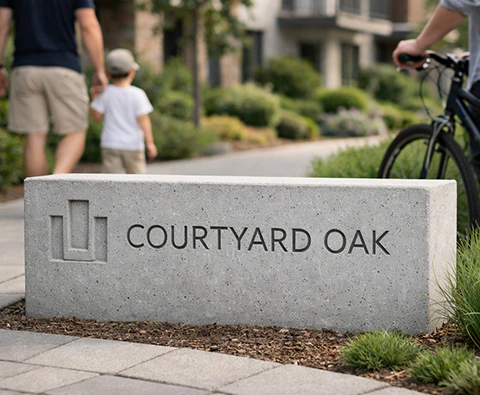
When a wayfinding plaque or address marker must pull double duty as navigation and architecture, the right tooling becomes the quiet hero — molds for stone signs. Correct forms deliver crisp typography, stable geometry, and that convincing architectural stone texture that ages with grace. From day one we map which stone molds or stone molds for concrete will serve best: durability in coastal climates, fidelity of ornament, repeatability across batches. And when a site needs a complete family look, we extend the system with production molds for garden paths and concrete molds for statues so paths, plinths, and signs speak the same visual language.

We’ve spent more than two decades inside this industry, long enough to see trends rise, fade, and come back with a new face. What used to be a largely handcrafted, rather slow and at times unpredictable process has today transformed into a dynamic, fast-evolving field. Clients now expect precision, and manufacturers are finally able to deliver it — along with reliable logistics and the ability to scale a client’s idea without losing its original meaning or character.
The market no longer forgives delays or repetitive, copy-paste solutions. Every element is expected to be unique, expressive, and well-crafted. Over time, we’ve come to understand that forms are not just a tool — they define the personality a space takes on. Classic precast architectural concrete still has a role when you need that massive, mineral presence — whether it’s large concrete molds and forms, concrete cylinder molds, or even ready-to-go cast stone molds.
In reality, most projects demand a careful balance: a sensible budget, a reliable timeline, and a final result that truly matches the design expectations. And that’s exactly the point at which clients usually come to 3D Sign Factory — when they need a smart, well-rounded solution that takes all of these factors into account.
Foam really reshaped this market when it entered the scene
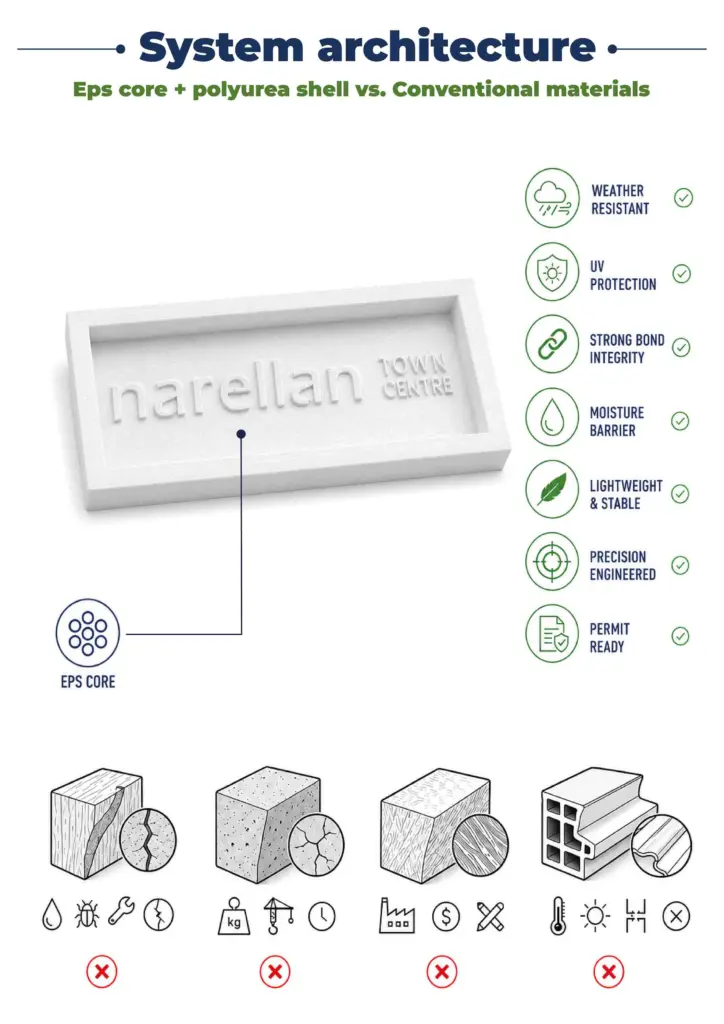
Today, custom architectural foam brings together everything clients care about: the right look, the right performance, and the right practical advantages. It preserves the aesthetic of stone, metal, brick, and other architectural finishes — from stone siding panels to full monument faces — while also offering the benefits of easier delivery, minimal weight, and a number of other “pleasant bonuses” that simplify the entire process.
In many ways, it has become the modern answer to the industry’s evolving demands — a material that aligns with the realities of today without compromising the beauty people still want to see.
Why forms matter more than you think
When producing these signs, a mold is used that defines the core geometry, relief, and the way the edges will look. This approach allows for the creation of address plaques, directional and wayfinding signs for campuses, branded signage, and navigation for parks, forests, nature reserves, and farm properties. Such elements can be installed very neatly and almost independently on site, without any significant difficulty.
We produce these forms using foam with a coating that can imitate limestone, granite, aged metal — any required textures and finishes. Visually, it is almost impossible to distinguish such signs from those made of natural materials, while they remain highly practical and easy to maintain.
Where Smart Creators Use These Stone-Look Forms for Impact
We’ve spent over two decades in this industry and have seen the shift toward precision, speed, and consistency. Traditional concrete forms still matter for heavy, mineral builds, but in most cases, high-density foam with stone-effect coatings delivers the same look with less weight, easier logistics, and faster installation.
Commercial real estate is where stone-look signage instantly elevates a space — like a reception wall in Atlanta that installed over a weekend, looked high-end, and didn’t require heavy mounting.
Parks and resorts
Campuses and clinics really feel the difference when wayfinding is both clear and durable
These spaces are cleaned constantly, signs get touched a hundred times a day, and nothing ages a design faster than fading or peeling. That’s why a stone-look finish that stands up to daily sanitizing is a game-changer. In Gainesville, for example, we refreshed an outdated system, and even with regular cleaning rounds and disinfectants, the color stayed true and the surface kept that “freshly installed” look far longer than anyone expected.
Events and pop-ups
Makers of site furnishings
If you’re evaluating cast stone manufacturers for concrete statues and also need a matching sign line, we’ll assemble a coherent catalog from medallions to monument signs.


The Evolution of Stone-Look Signage: Craftsmanship Meets Technology
The story began with hand-carved stone and gypsum stencils. Silicone and polyurethane entered the scene, unlocking reliable series in concrete. If you’ve ever wondered what is GFRC, it’s glass fiber reinforced concrete — thinner and lighter than standard concrete, and one of the material families our molds are built to support. Today, the craft is digital: precision CNC master models, elastic matrices with predictable wear, and hybrid builds where “stone” lives on a light, stable core. We run the full cycle in the USA — decisions are faster, outcomes more consistent.
Across a quarter century we’ve watched aesthetics pivot. Early on, ornate panels and deep rustication ruled. Now the brief often reads: minimalist planes, generous letterforms, razor-fine edges. Our forms evolved accordingly. We machine sharper serifs, preserve tiny inner radii, and stretch large, feather-light planes that still read as monolith. Clients ask for “modern, but with the soul of natural stone.” That’s where formwork and coating chemistry do their quiet magic.
Features and real-world varieties of forms
• Plaque and nameplate forms. Here, the typography is refined down to the smallest details. Both the relief depth and the smoothness of transitions are carefully controlled so that thin strokes don’t chip or break during demolding.
• Modular navigation matrices.
• Large stone molds for monuments and pylons, including gravestones and memorial markers. Sectioned masters with keyed seams and reinforcement zones for safe transport.
• Pathway systems. Coordinated urethane molds and EPS molds that share motifs with signs, creating a single design family.
• Sculptural and heraldic tooling.
• Cylindrical and radial geometry
• Thin-wall engineering.
Working with curved shapes requires a slightly different mindset, because round elements instantly reveal the quality of craftsmanship.
Stepping stone molds make it possible to create truly seamless, perfectly rounded pieces — whether it’s plinths, bollards, or column wraps — without visible joints or shifts in diameter that can ruin the impression of a solid form.
These molds ensure a consistent radius from top to bottom, which is essential when the goal is a monolithic look rather than the feeling of stacked segments. When the texture flows naturally around the curve, without breaks or distortions, the result feels authentic and visually calm — exactly what well-designed architecture should convey.
In real applications, cylindrical forms excel wherever symmetry, elegance, and a refined finish matter. A round base for a sculpture, protective bollards at an entry, or a clean architectural wrap around an existing column — with the right mold, each of these reads as intentional, cohesive, and carved-from-stone rather than assembled piece by piece.
The Making Process, Explained Simply (No Drama, Just Craft)
Brief and site intelligence
When we design any of our architectural forms or elements, we make sure to account for everything: material shrinkage, the placement of draft angles, and the radii of serifs. The relief depth, for example, is adjusted so that the lettering remains easy to read even in the evening, taking into consideration how shadows fall and change throughout the day. This is especially important when darker color tones are used.
Prototyping in real life
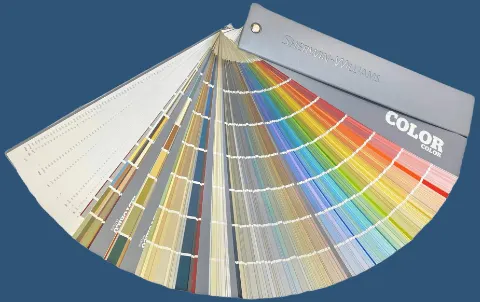
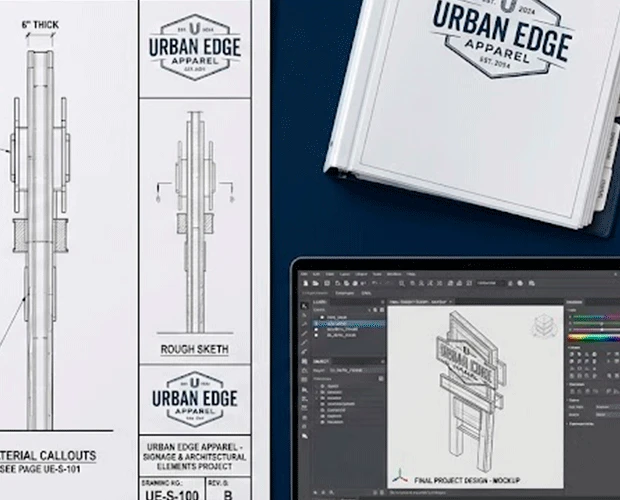
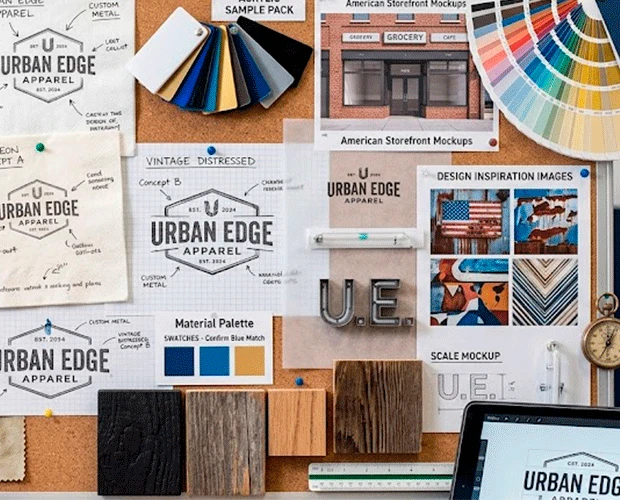
We always show you a prototype — a quick master sample produced either by 3D printing or CNC. This allows you to see and feel the texture in person. We also send physical color samples and do not simply choose from a catalog; we mix the exact shade needed to match your architectural finish, so the elements we produce fit seamlessly into your project.

CNC master model fabrication
High-density boards are processed with a very fine step-over to keep all serifs and small details as crisp and clean as possible. For larger elements, we create sectional master models designed so that all segments come together with precise alignment.
Creating the working mold
The elastic molds are produced with consistent thickness and reinforced in calculated load-bearing areas, backed by the same architectural fabrication standards we apply across every product line. For Large Concrete Molds and Forms, we add structural ribs when needed.
Test pour and cycle setup
We always run a trial casting first to check how easily the piece releases from the mold. At this stage, we eliminate air pockets, refine transitions, and lock in all the settings.
Surface coating system setup
Different Roads to the Same “Stone” Look — What to Know First
| Criterion | Classic builds with concrete molds | Light-core panels with stone coating |
| Weight and handling | Heavy, equipment required | Light, manual install possible |
| Serif and edge survival | Thin details risk chipping | Elastic demold preserves micro-details |
| Install timeline | Slower, wet processes | Faster, dry assembly |
| Care and touch-ups | Crack repairs and color patching | UV-stable finish, low maintenance |
| Freight risk | Higher due to mass and brittleness | Lower, safer long routes |
| Brand colors | Hard to hit rare tones | Custom-match to physical samples |
Spaces That Shine
Gated residential communities and their entry zones.
This includes address plaques, entry pylons, district or subdivision markers, and other identification elements that set the tone from the moment a resident or guest enters.
Retail and mixed-use environments.
Clear navigation, parking guidance, branded entry points, and floor-by-floor signage are essential here. We once handled a project in Jacksonville after the city administration received multiple complaints from visitors who said that, following a renovation, shopping centers had become confusing to navigate. We redesigned the entire wayfinding system and produced new signage. After testing the updated system, visitor feedback showed a dramatic improvement in how easily people could orient themselves on site.
Campuses, educational institutions, and medical facilities.
Here, signage must be simple, intuitive, and able to withstand frequent sanitizing. A hospital in Gainesville came to us with a specific request: the surface of the plaques needed to tolerate ongoing disinfecting without losing their appearance. It has now been 10 years since that project was installed, and the signs still look like new.
Themed environments, resorts, and entertainment venues.
That’s why signage in such spaces has to do more than inform — it needs to reflect the atmosphere and character of the place. We once worked on a project in Clearwater where we created pathways, medallions, and plaques at the same time. All elements had to follow one historical concept and share a unified style. That visual consistency led to an outstanding result, enhancing the entire space and making it feel truly complete.
Open-air museums and historic districts.
Signage must feel period-appropriate, blending seamlessly into its surroundings. In St. Augustine, we secured approval for historically styled signage surprisingly quickly — the pieces fit into the historic setting so naturally that they looked like they had always been there.
Events, temporary sites, and short-term installations.
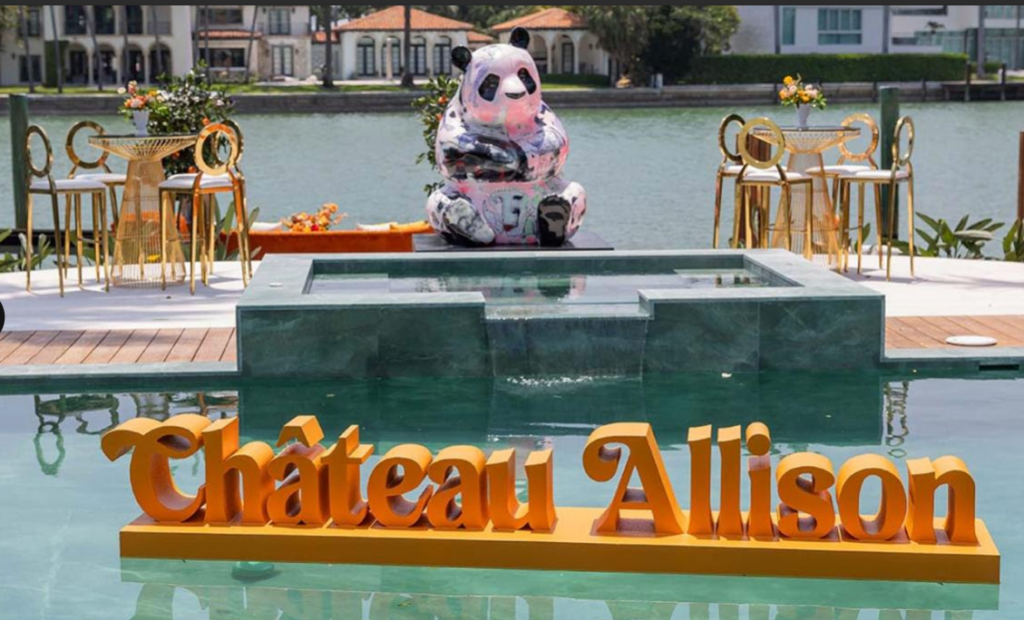
Speed of installation and clean removal are key. In Miami, we once transformed an empty plaza into a “stone city” overnight — everything had to happen fast, and it did.
Manufacturers of outdoor amenities and small architectural elements.
Why partnering with us pays off
• Made in America.
• Bespoke design.
• Strong, light, and eco-conscious materials.
• 3D Sign Factory support, from first sketch to final install.
• 3D mockups and ship samples – all for you
• Accuracy guaranteed. 20-year warranty when operated within guidelines.
• Trusted by names you know.
And if a project also calls for a freestanding piece rather than a wall-mounted plaque, our Foam Monument Signs team works from the same mold library.
Curious how this would look in your space? Let’s talk it through. We can run the numbers for you or send a sample so you can feel the texture in your hands and see how it plays with your lighting. Request a Free Quote from 3D Sign Factory whenever you’re ready.
