


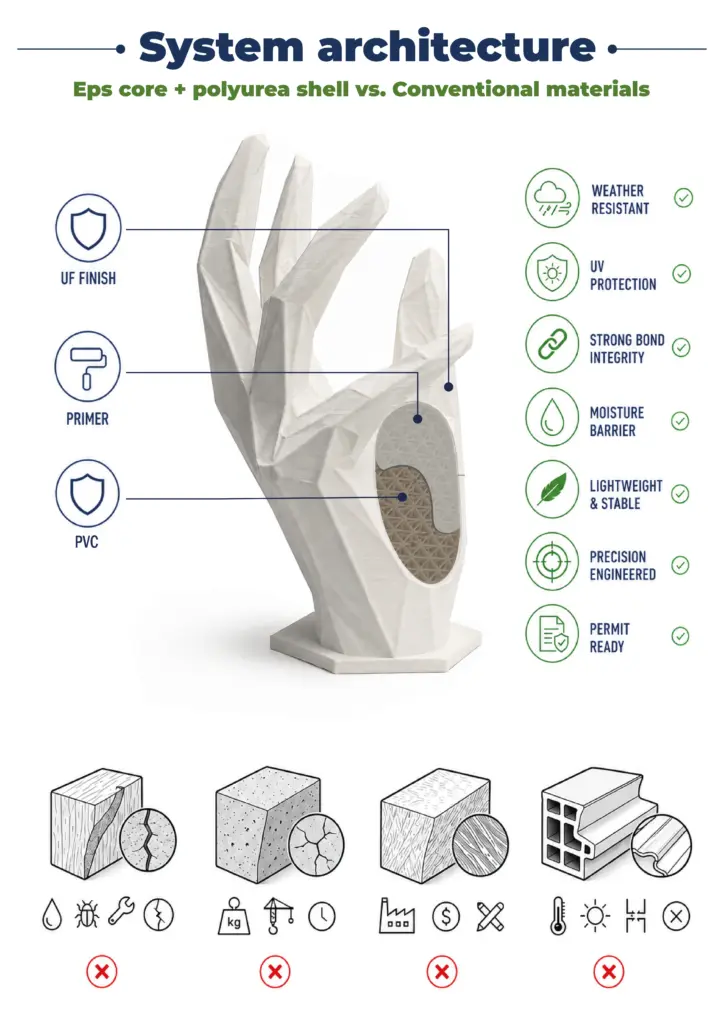
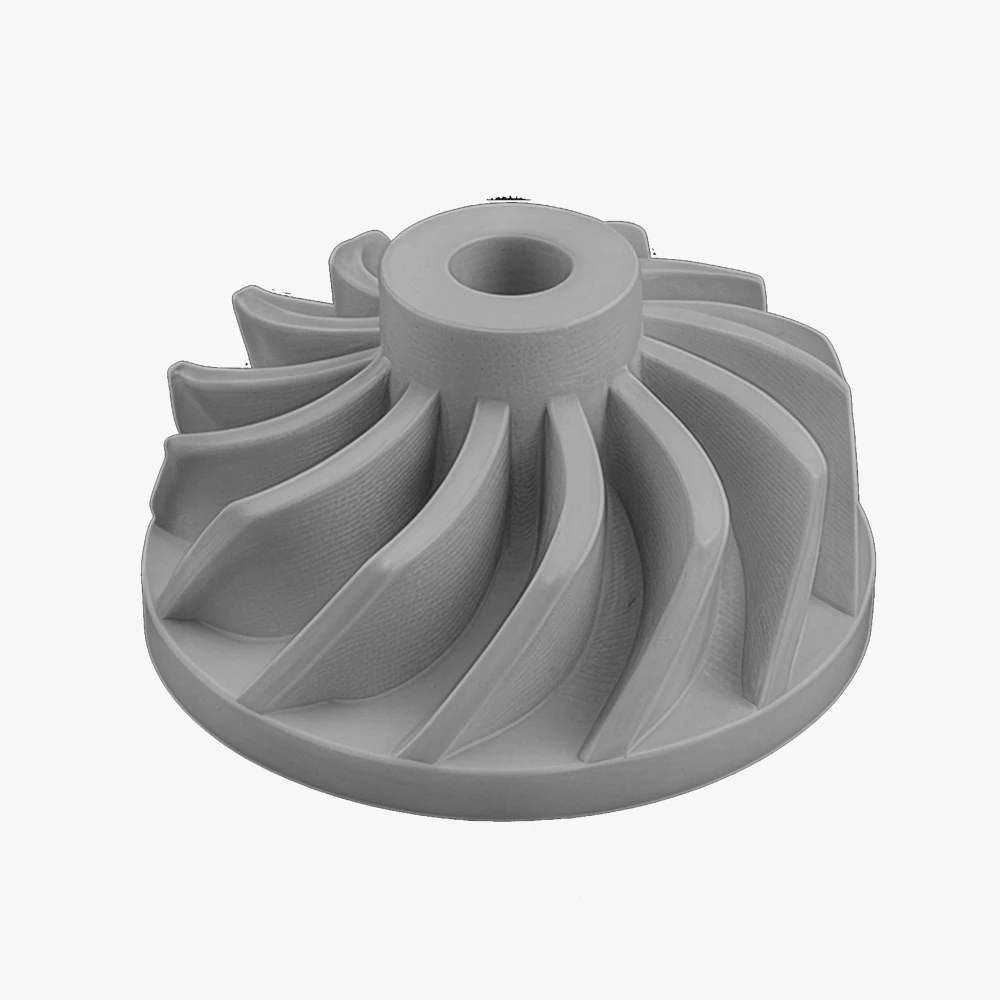
 Industrial 3D Printing classic model 1
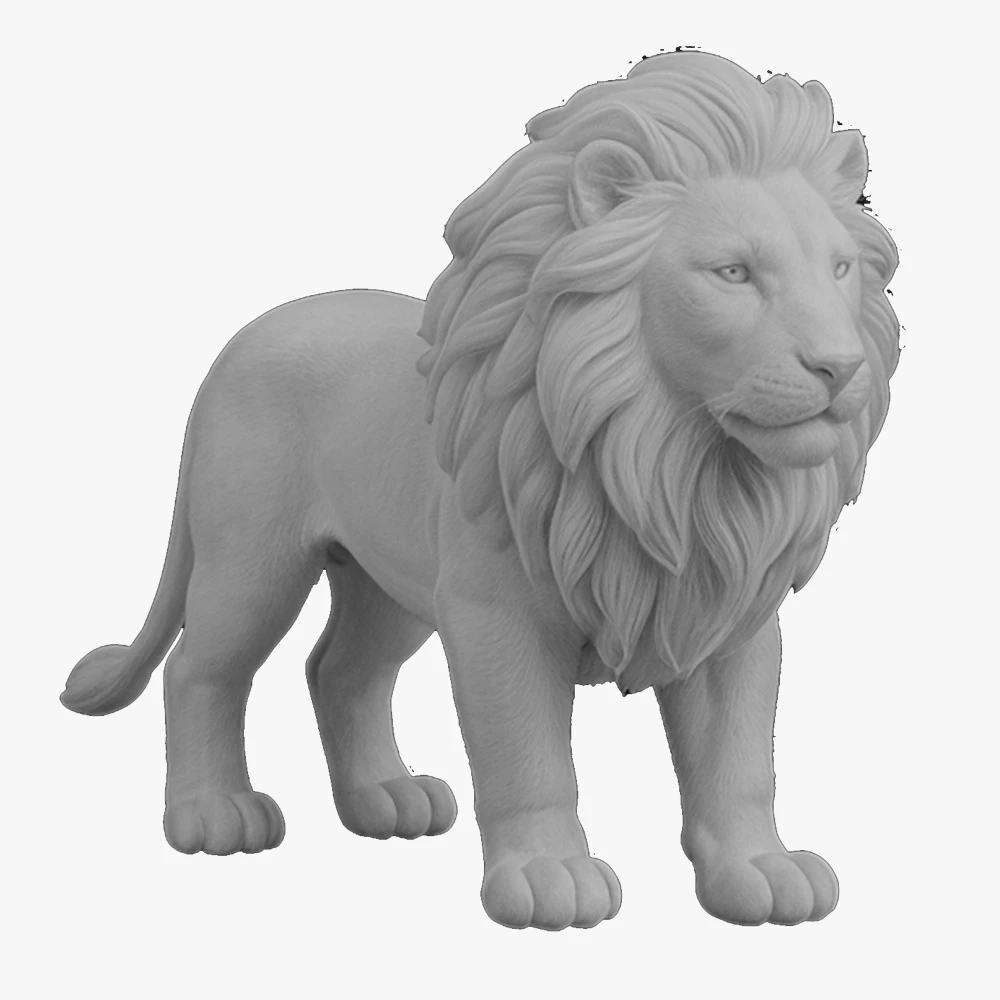 Industrial 3D Printing classic model 2
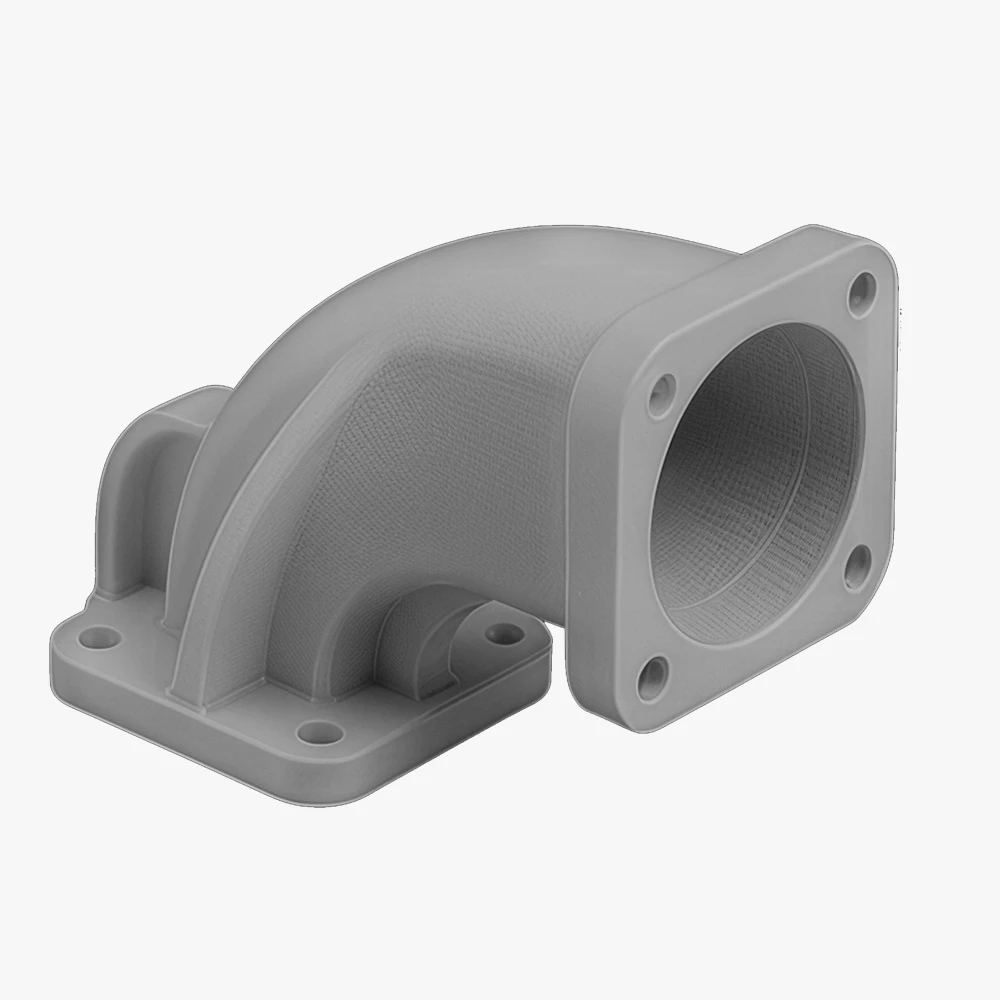 Industrial 3D Printing classic model 3
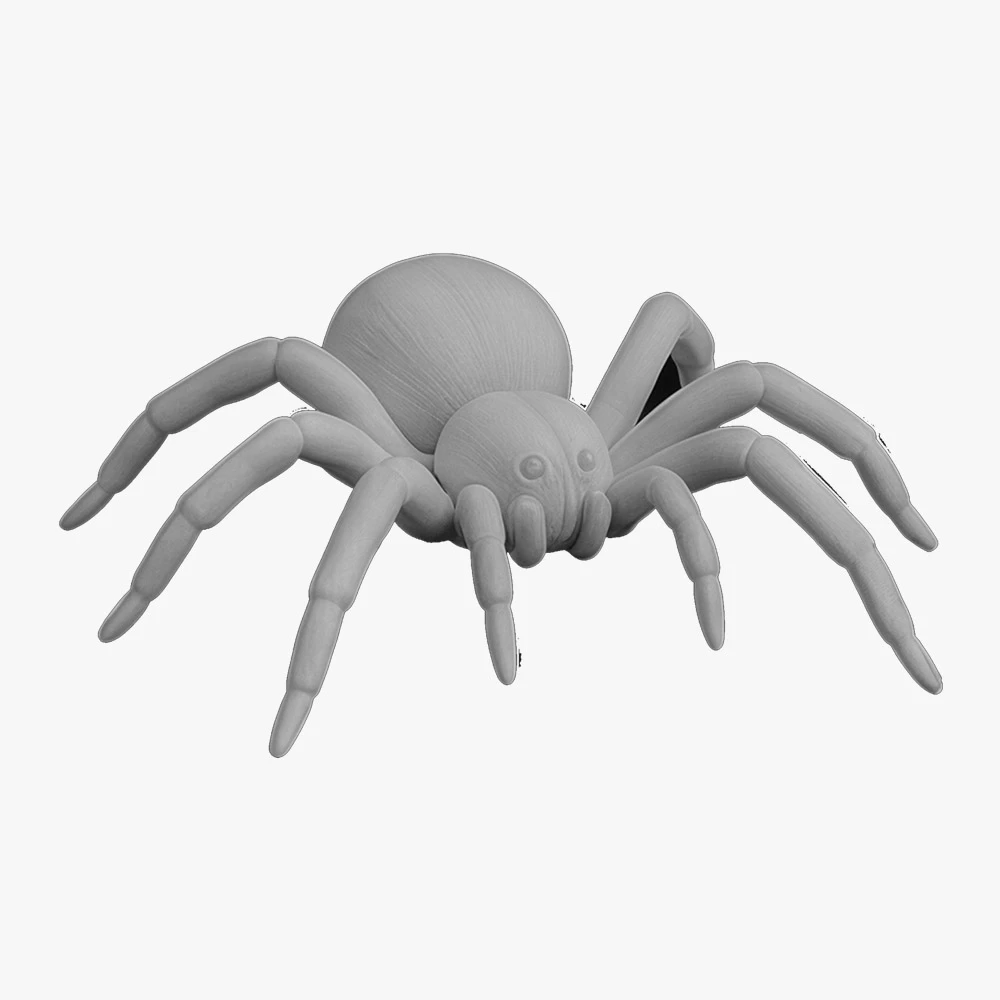 Industrial 3D Printing classic model 4
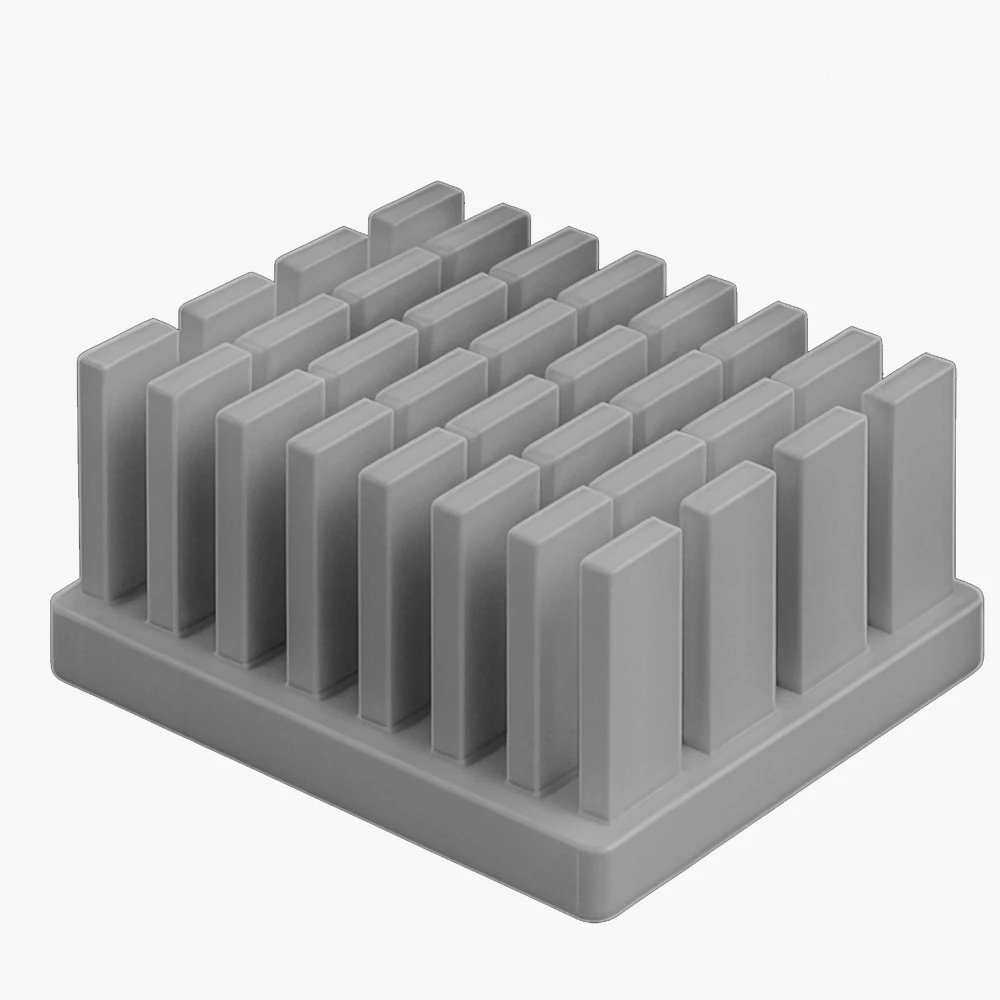 Industrial 3D Printing classic model 5
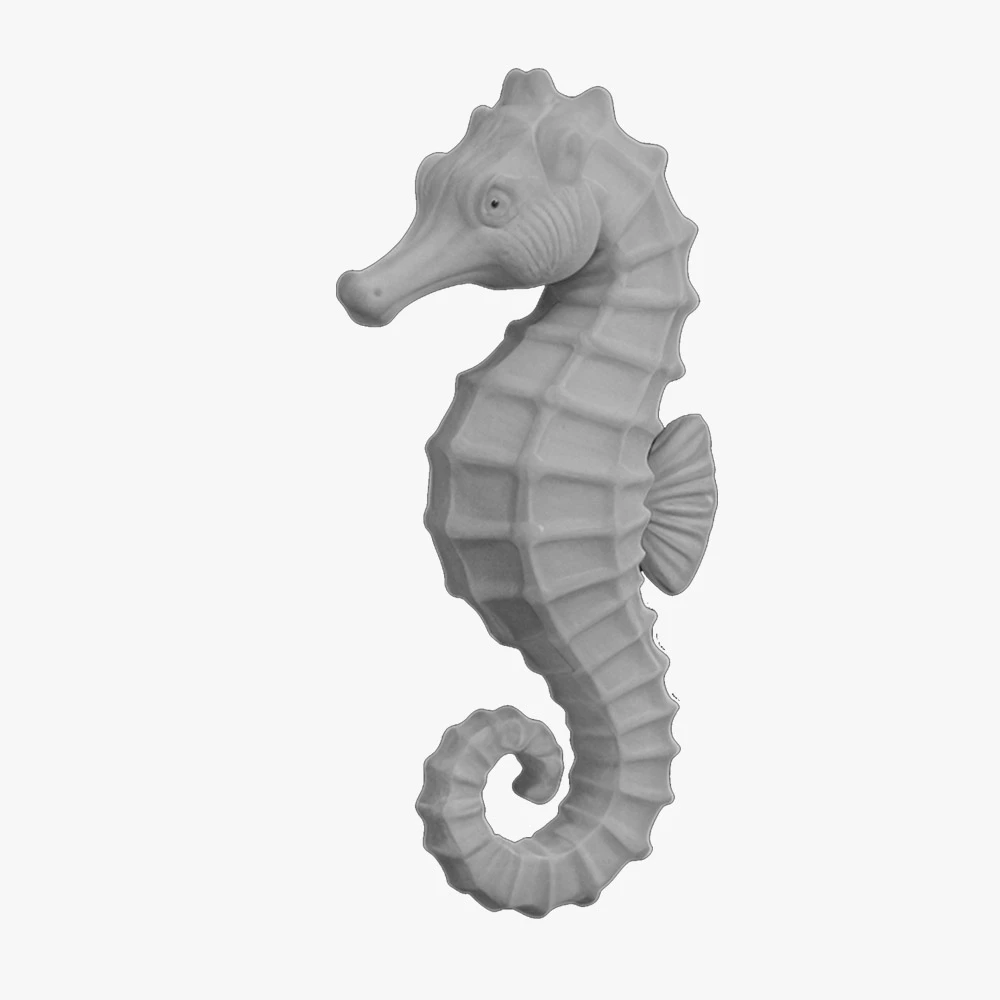 Industrial 3D Printing classic model 6
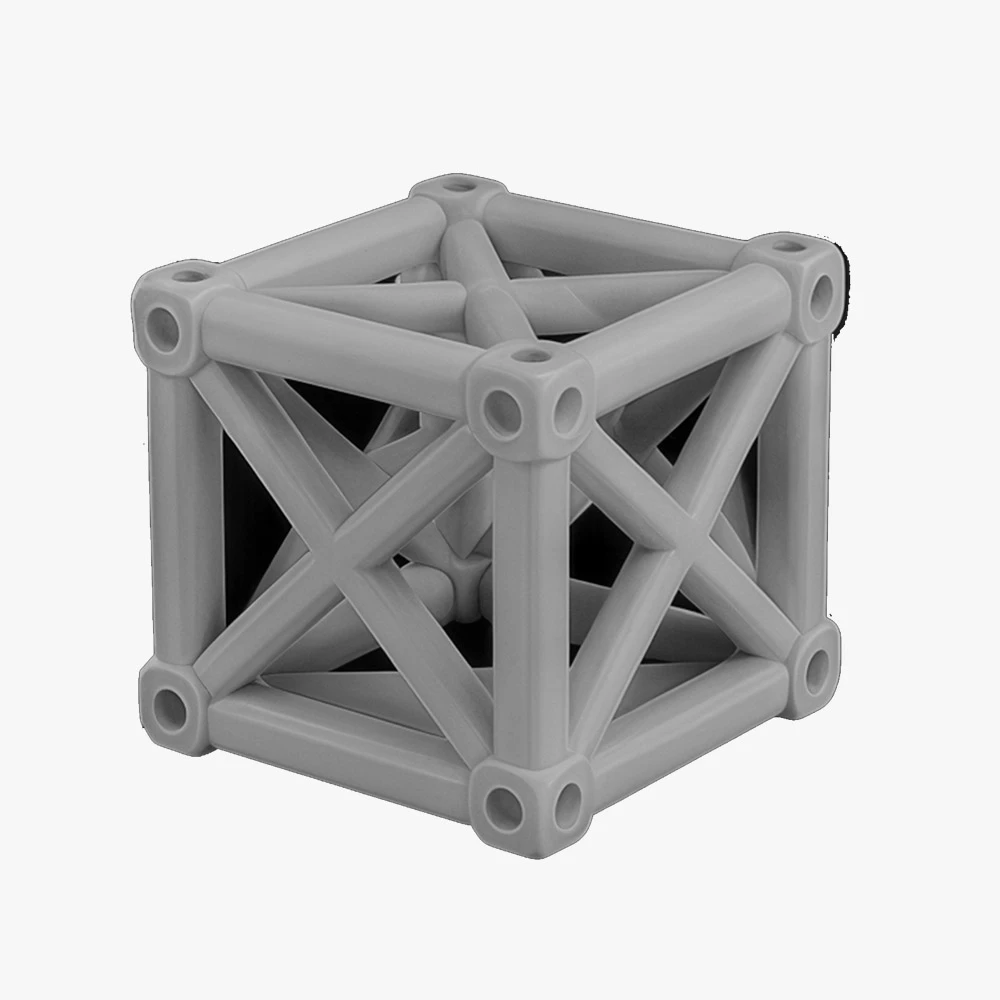 Industrial 3D Printing classic model 7
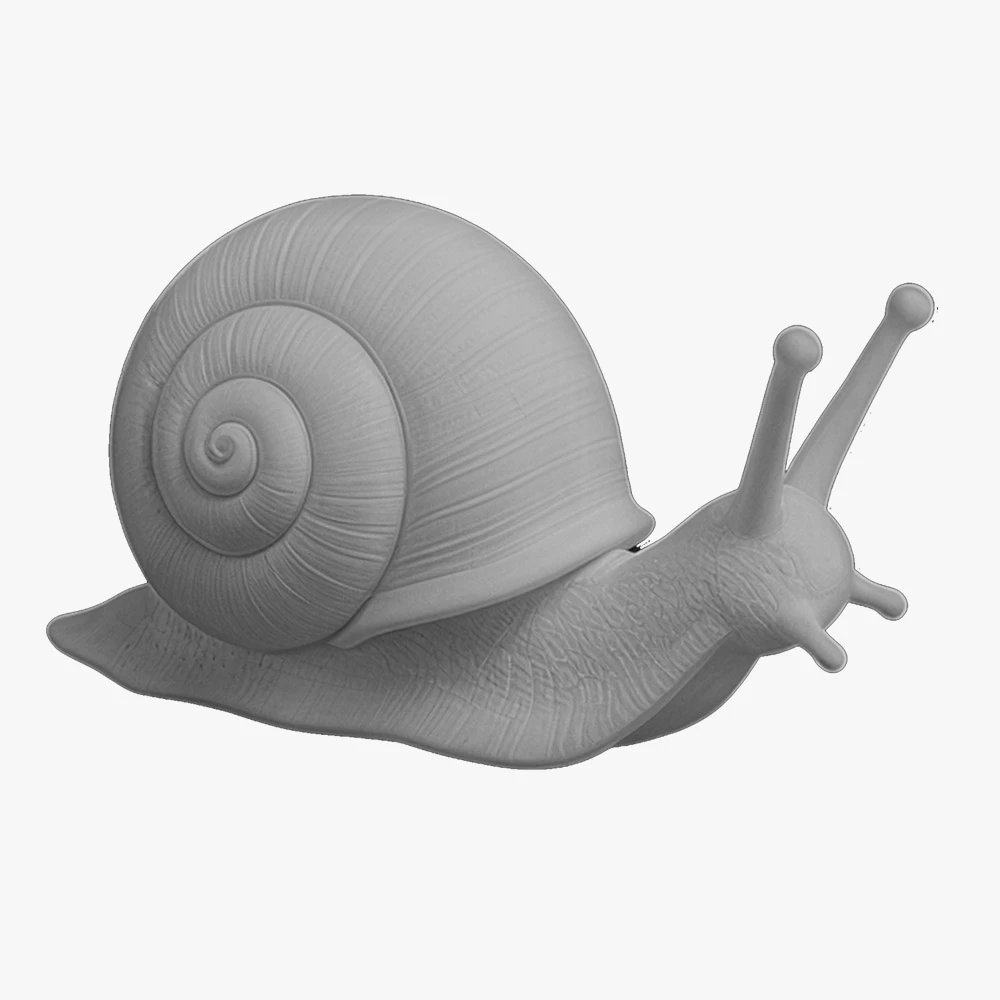 Industrial 3D Printing classic model 8
 Sandblast
 Freestyle
 Quarzputz
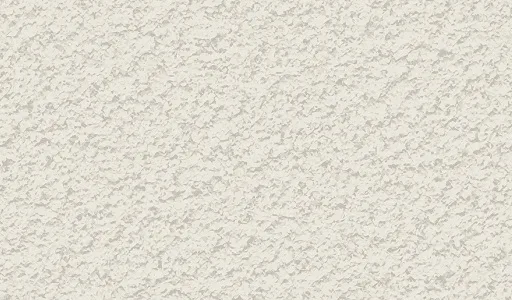 Sandpebble
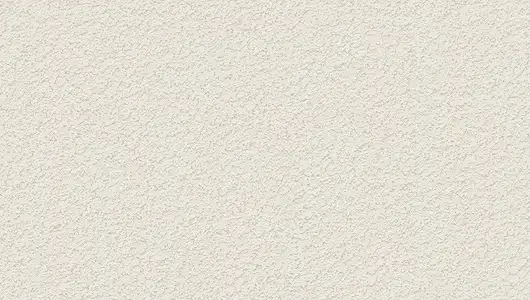 Sandpebble fine
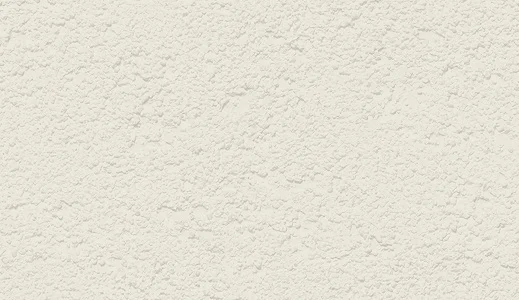 Mojave
 Finesse
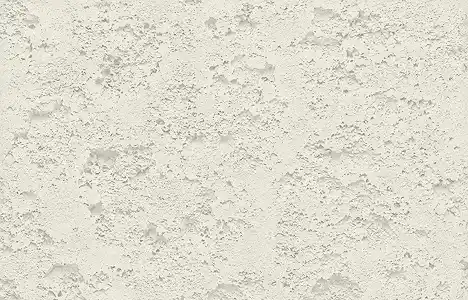 Coral
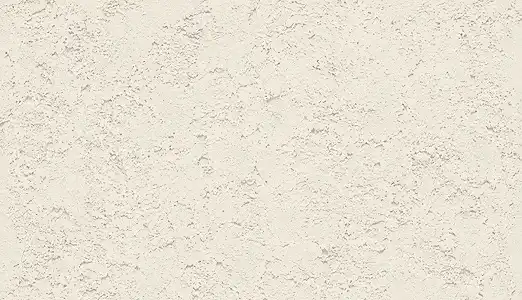 Coral Light








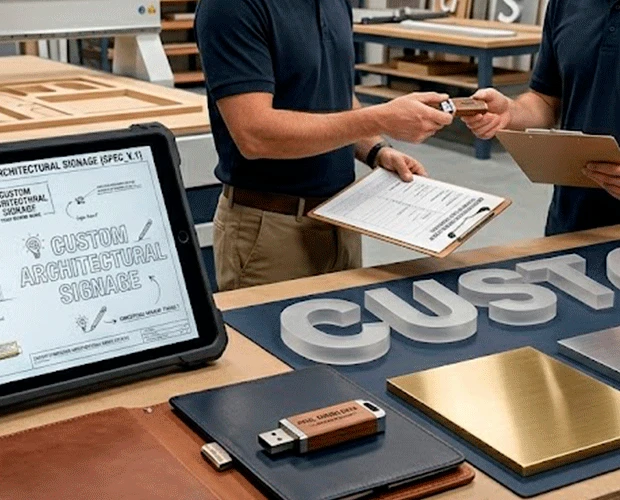
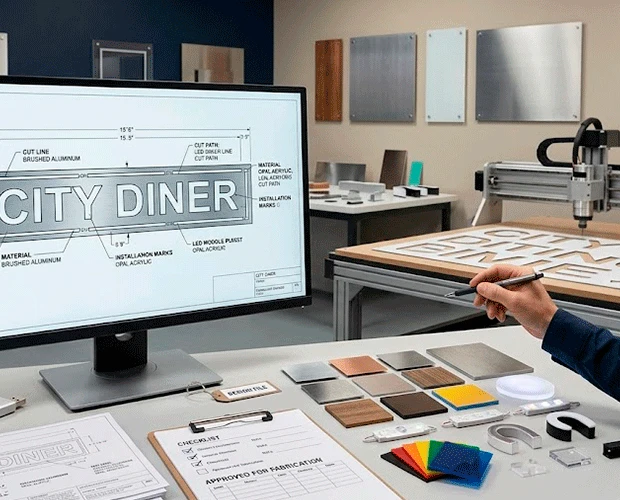
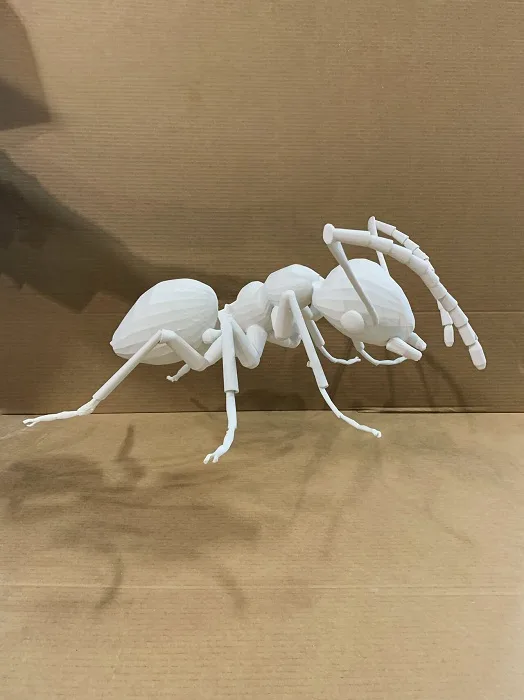
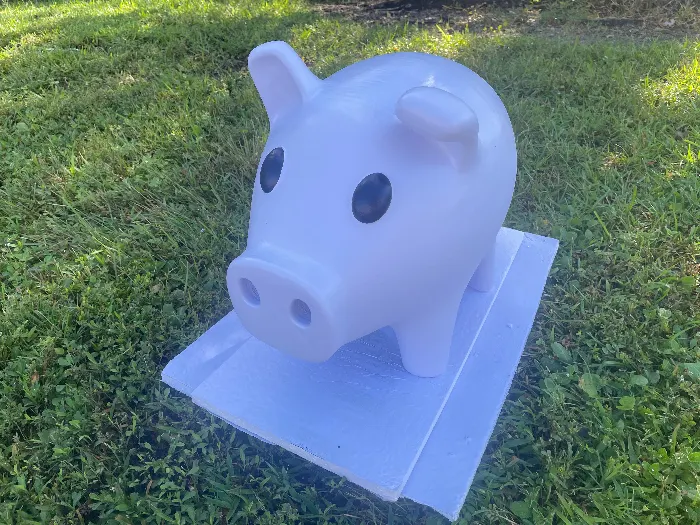


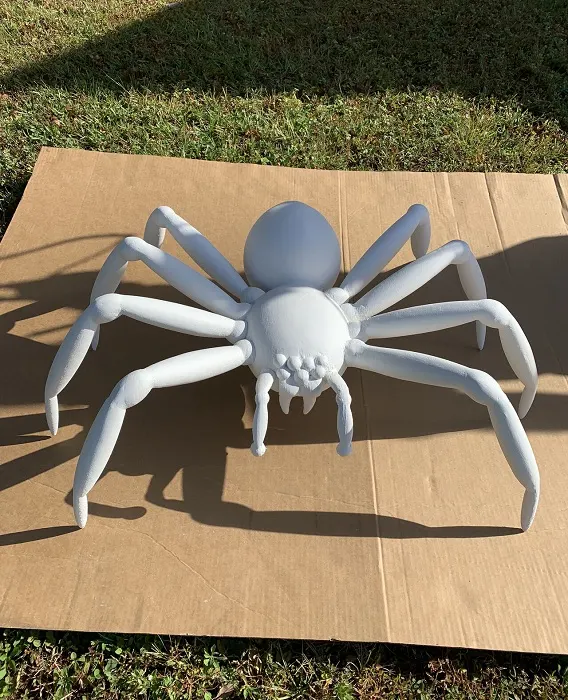


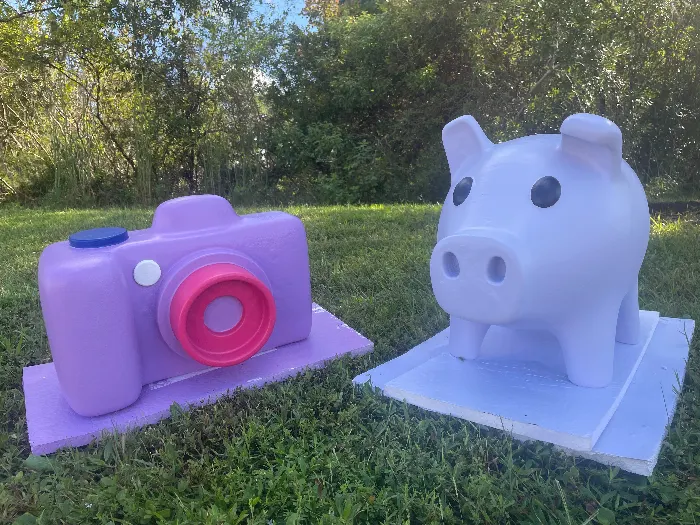
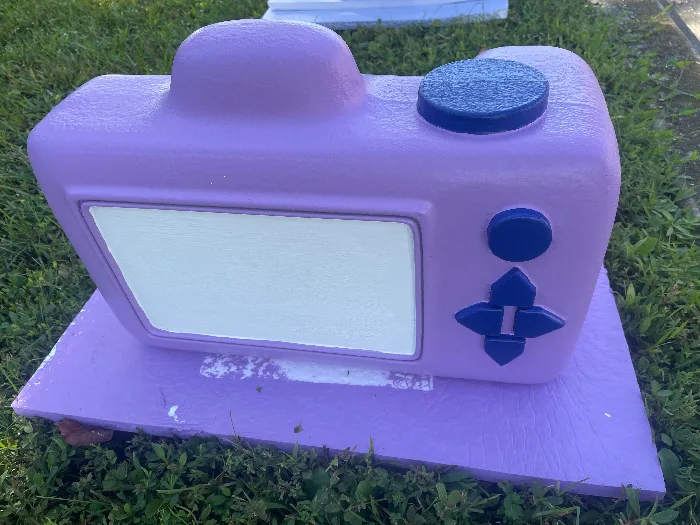
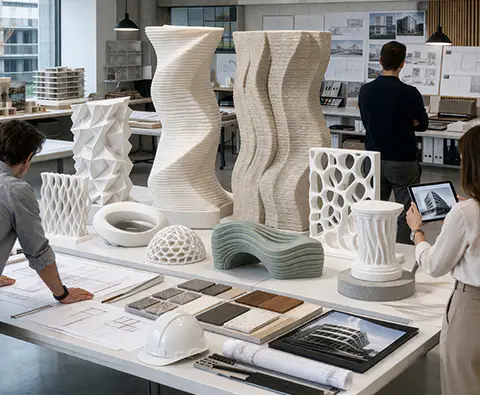
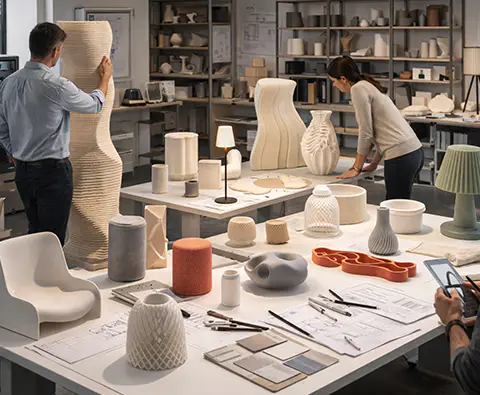
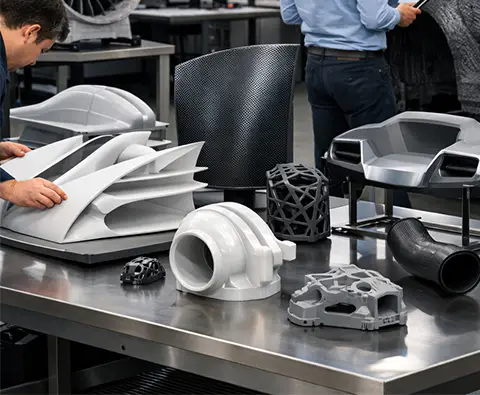
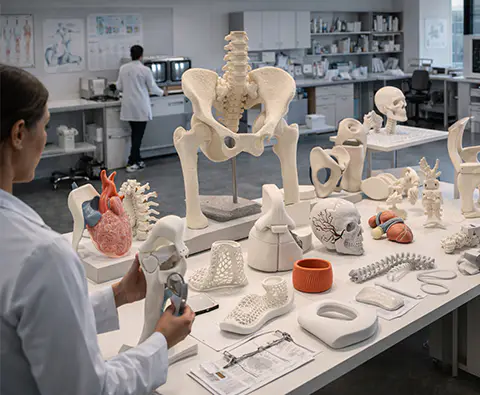
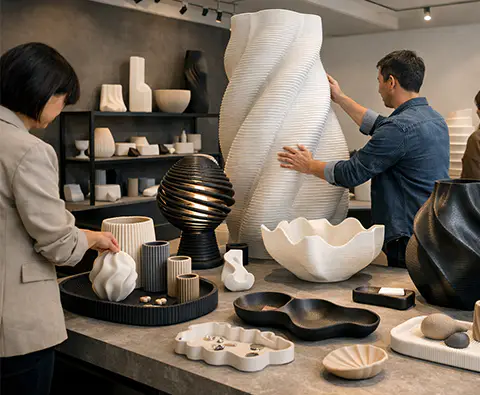
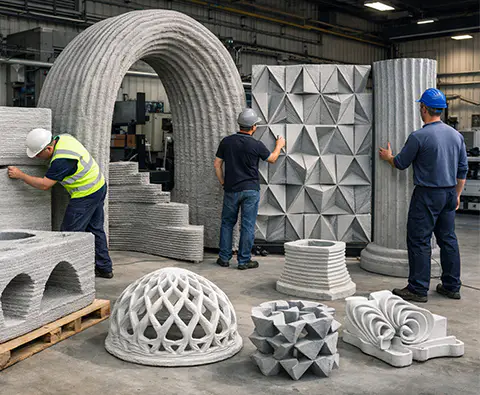








Large Industrial 3D Printing
Accuracy is everything in architecture and design today — it’s usually the one thing separating a good project from a flawless one. Large scale production 3D printing brings that kind of precision into the physical world, turning digital ideas into components that fit exactly as planned. We work side by side with architects, developers, and contractors, helping them get from sketches and concepts to results they can actually depend on — ones that hold their shape, their strength, and their promise.
How industrial 3d printing evolved
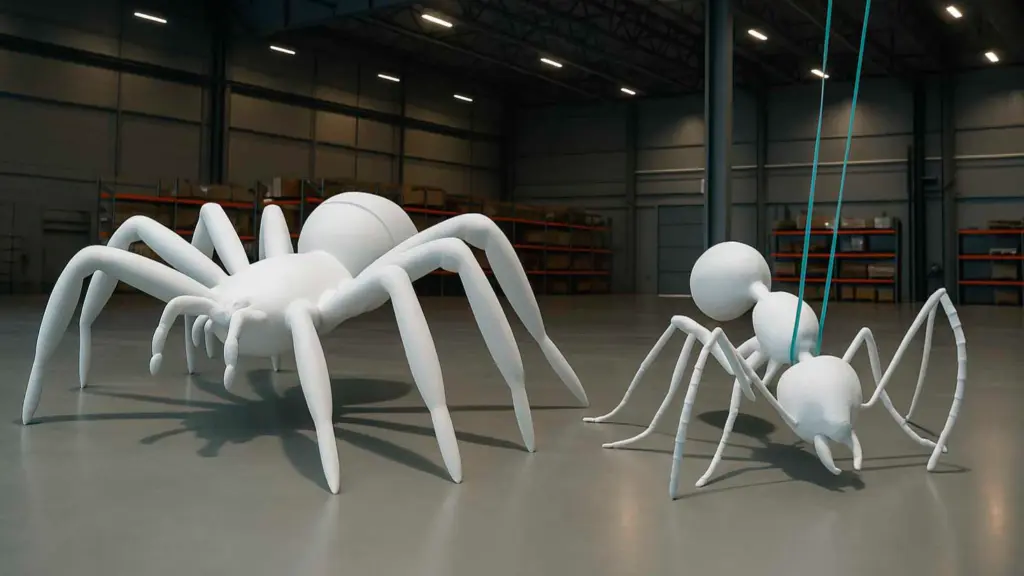
3D printing started out humbly — small prototypes, fragile resins, more curiosity than cornerstone. That’s changed a lot over the years. Today, industrial 3d printing companies build everything from architectural facades to structural enclosures and full-scale art installations.
When we first installed our large format 3D printing systems in Florida, we realized how drastically this would reshape production. A faсade element that once required weeks of mold fabrication could now be printed, finished, and shipped within days. One project in Orlando involved creating a curved facade segment nearly 16 feet long. The sections were printed using high-density FDM plastic, bonded seamlessly, and lifted into place without heavy machinery, backed by the same architectural fabrication discipline we apply across every product line. The developer later said it was the first project in years that met its construction schedule ahead of time.
That’s the beauty of large industrial 3d printing: freedom of geometry without the burden of tooling.
How modern 3D printing really works
Industrial 3d printing is an ecosystem of methods designed for different scales, materials, and precision levels.
Photopolymer printing — SLA and DLP, in engineer-speak — works almost like magic: liquid resin hardening layer by layer under light, catching even the tiniest detail. As a 3D resin printing service, this is what we reach for when appearance matters most, when a part can’t just function but has to look right up close, down to the millimeter.
Filament printing (FDM/FFF) works differently — a heated nozzle extrudes molten plastic layer by layer, building up strong, lightweight structures from the ground up. It’s the method we reach for when size, strength, and cost efficiency all need to matter at the same time.
It’s especially good for large-scale objects — stage decorations, architectural facades, exhibition structures, durable prototypes, the large scale printing staples we rely on most often. Parts built this way hold up well under a range of loads and environmental conditions. One project that stands out: exhibition panels for an event in Orlando, textured to the client’s exact vision. The result looked stunning and gave the brand’s visibility a real boost.
FDM printing, paired with additive manufacturing, turns out strong, lightweight industrial custom parts quickly and without breaking the budget.
Then there’s powder-based printing (SLS) with direct metal laser sintering, where a laser fuses polymer powder into dense, durable parts built for mechanical or functional use.
At 3D Sign Factory US, we specialize in the first two.
Photopolymer printing comes into play when precision really matters.
One project with additive manufacturing, for a retail space in Miami, stands out — sunlight there shifts by the minute, reflections dancing across every surface. The client wanted a feature wall that would almost breathe with the light: catching it, bending it, playing with it the way water does on a calm morning.
We divided the wall into aligned segments, each one flowing into the next like waves meeting on shore, with hidden channels built in for LED lighting so the glow seemed to come from within rather than any visible fixture. When the panels came off the printer, the finish held up so well that even under direct Miami sun, not a single ripple or imperfection showed.
The contractor stopped mid-inspection, ran his hand along the surface, and laughed: “We’re not touching this — it’s better than we imagined.” And they didn’t. The wall was installed exactly as it came out of the crate — no sanding, no touch-ups, just pure precision meeting design in its cleanest form. It stood there, shimmering softly through the day, and at night, it came alive — proof that technology, when done right, can have its own kind of soul.
Filament-based FDM printing, on the other hand, gives us size and strength. When we produced massive lightweight panels with additive manufacturing for an exhibition in Jacksonville, each segment was printed overnight, fused the next morning, and delivered two days later. FDM brings scale and efficiency where photopolymers bring refinement. Together, they cover almost all 3D printing for industrial applications — architecture, interiors, branding, and engineering.

Materials: engineering plastics as the foundation
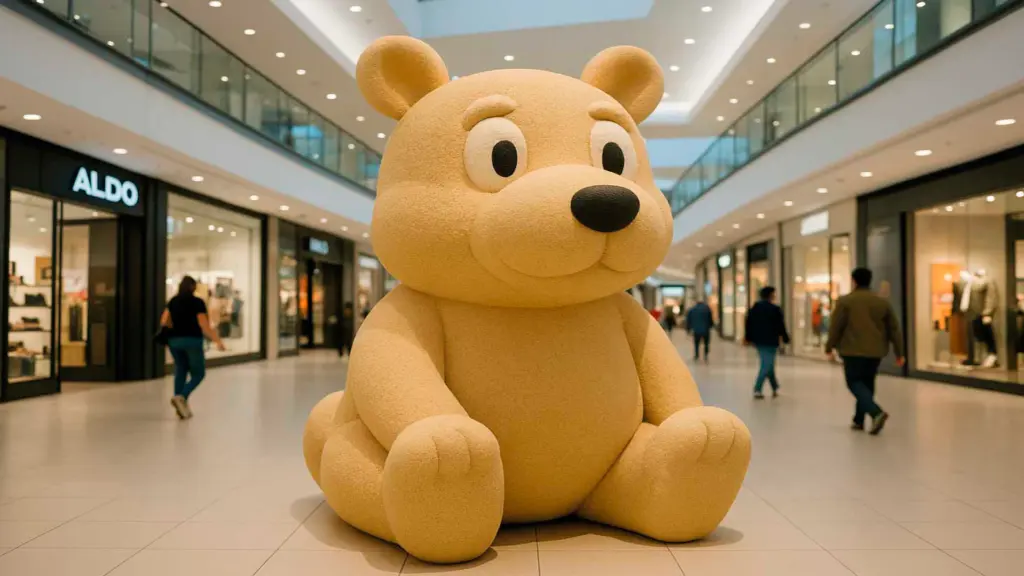
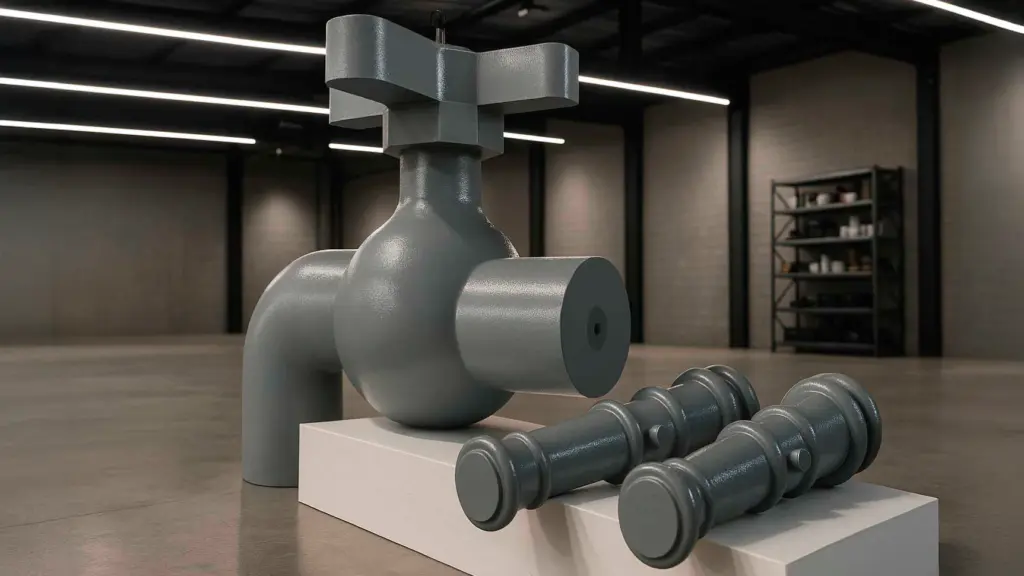
The plastic we use is specifically designed for industrial custom 3D printing. It combines low weight with exceptional strength and dimensional stability. UV resistance, waterproof properties, and precise geometry are among its bigger advantages. Products made from it install easily, no heavy machinery needed — reliable, built to perform.
At the same time, the plastic opens up a lot of creative room. Nearly any design, even the boldest ones, can get built through 3D modeling. It behaves like a chameleon — it can mimic the texture of stone, concrete, metal, or wood, bringing to reality what you’ve imagined and even what you haven’t yet imagined.
Once, we built a reception desk for a seaside hotel. The concept was for it to look like a solid piece of meteorite — and it did. Smooth, black, reflective, mysterious. Guests would touch it, amazed, unable to believe it wasn’t carved from stone.
And let’s not forget sustainability: our plastics are recyclable and low-waste. The material we don’t use gets reprocessed into test components or support structures, reducing the project’s environmental footprint.
Where industrial 3d printing is applied
3D industrial printing is rapidly becoming essential across industries, because it delivers speed and consistency across the full range of 3D printing industrial applications we support.
Architecture and construction
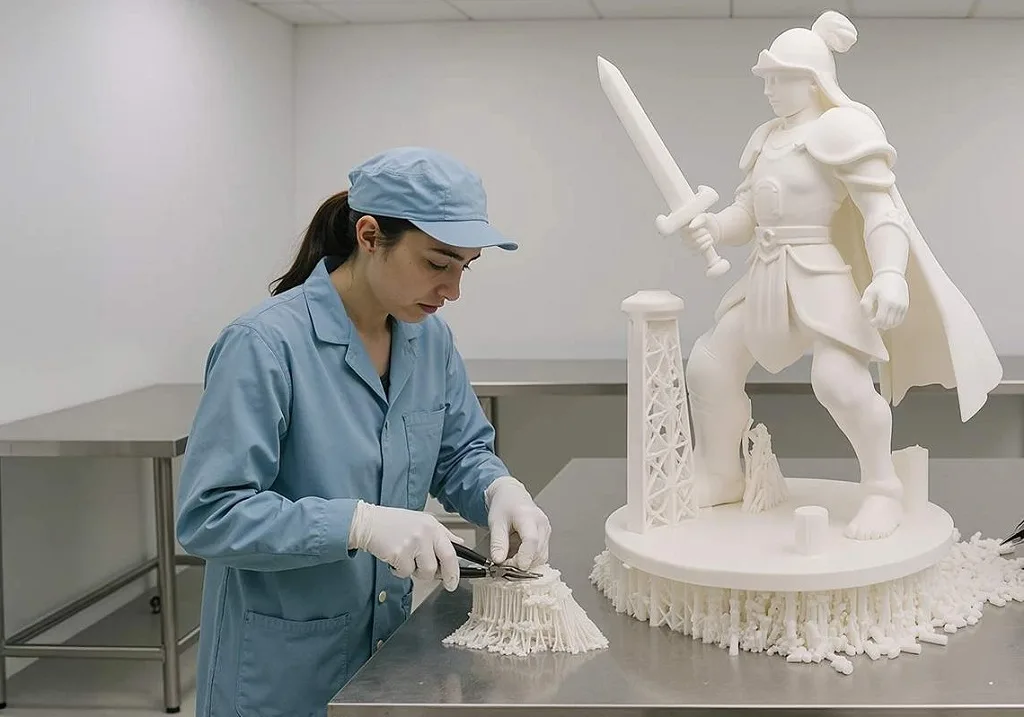
Rapid prototyping 3D printing plays a crucial role in modern manufacturing, alongside prototype and pilot production. With industrial custom 3d printing, we can produce engineering prototypes and functional prototypes within days, supporting prototype development from first sketch to final part and allowing designers and engineers to test form, fit, and ergonomics before committing to full-scale production. It’s a quick, low-risk way to test and refine designs before full production.
Interior design
In interior spaces, 3D printing gives designers something they’ve always wanted: total freedom of form.
What makes this technology so valuable indoors is the level of finish. Photopolymer printing allows surfaces so smooth that they look hand-polished.
Recently, a design studio in Orlando commissioned a centerpiece wall for a co-working space — a sculptural wave that extended across 30 feet of lobby. The installation took only two installers and a single afternoon. No heavy supports, no sanding, no repainting — just pure design brought to life through industrial custom 3d printing services.
Event and exhibition spaces
Large-scale visual structures and trade-show elements that assemble in hours instead of days.
Industrial components
Beyond architecture and design, 3D printing industrial parts has quietly turned into the backbone of modern manufacturing. It shows up everywhere now — logistics hubs, factory floors, mechanical systems that need both precision and endurance in the same part. These 3D printed industrial parts are not “showpieces” but the unsung heroes: protective housings, shells, electronic enclosures, and those perfect little mounts that hold everything together. What makes them special is the balance — rock-solid accuracy in a body that feels almost weightless.
I still remember one project in Georgia — a manufacturing facility that needed custom protective covers for HVAC control units. The usual metal parts were heavy, noisy, and slow to install. We switched to a reinforced plastic blend — tough enough to handle vibration and heat, yet light enough for one person to lift. The new covers arrived on-site ready to mount, screw sockets and ventilation slots already built in. The client called later just to say, “We didn’t even open the toolbox — they fit right out of the crate.”
That’s what engineers love most about 3D printing: freedom. You can tweak a design on Monday and have the finished part by Thursday. No molds. No waiting. No endless retooling. Everything flows straight from CAD to reality, and what’s truly satisfying — even years later, replacements fit as if they were printed yesterday.
And then there was this Florida project — a commercial developer chasing a specific look for a building faсade: razor-sharp fins, light as possible, perfectly curved. We used FDM printing, reinforced the cores, and pre-assembled the mounting channels before shipping. When the parts arrived, each one clicked into place with a sound that can only be described as engineer’s music. The installers finished two days ahead of schedule, and the client just stood there, smiling — that kind of “I can’t believe we pulled it off” smile we never get tired of seeing.
Advantages over traditional fabrication
| Criterion | Conventional manufacturing | Industrial custom 3D printing |
| Tooling | Requires molds and forms | No tooling needed |
| Lead time | Weeks or months | From CAD to production within days |
| Weight | Heavy, requires lifting gear | Lightweight and portable |
| Design limits | Geometry restricted by tooling | Virtually unlimited shape freedom |
| Installation | On-site fitting required | Pre-aligned precision |
| Cost efficiency | Poor for small runs | Optimized for custom production |
Traditional manufacturing still wins for mass output. Industrial custom 3d printing wins everywhere individuality, precision, and time control matter more.
How we work
- Brief and consultation.
We start by getting clear on your goals, timelines, and visual intent. Our engineers go through your drawings and give early feedback on structure and assembly. On one Atlanta project, that meant redesigning mounting joints before production even began, saving the client a costly rework down the line. - Digital modeling.
We build a 3D model with accurate geometry and textures, and you get to review it in detail before production starts, seeing exactly how the part will sit within your architecture. - Sample and approval.
We send a physical prototype — same material, same finish — for your confirmation. This step ensures alignment before any full-scale manufacturing begins. - Production.
At our U.S. facility, we print each section under controlled temperature and quality checks. Every module is labeled for assembly clarity. When a resort client in St. Petersburg needed curved faсade ribs, we printed and inspected each before shipping, guaranteeing a seamless onsite connection. - Pre-assembly.
For complex geometries, we partially join parts at the plant, so the on-site team spends minimal time fitting. - Delivery and documentation.
You get more than the parts — drawings, installation manuals, a clear schedule come with them. Logistics run directly from our facility to yours, which keeps risk and delay to a minimum.
This is the standard behind every industrial 3D printing service we deliver — a process that ensures every detail, from concept to completion, stays predictable and traceable.
Why it’s worth working with us
- 25 years of hands-on experience. We’ve grown up alongside this technology, and we know both what it’s good at and where it hits its limits.
- Made in the USA. Local production gives us full control over quality, cost, and timing, the same discipline behind our local 3D printing service for every client.
- As an industrial 3D printing company and prototype manufacturer, we bring custom engineering to every client. We adapt the process to your brief, not the reverse.
- Support from start to finish. You’re guided by the same team — from first consultation to installation support.
- Materials that are durable, lightweight, and easy on the environment.
- 3D mock-ups and physical samples, always before production starts.
- Full technical documentation, every time.
- Pre-assembled modules that make installation faster.
- Predictable logistics.
- Reliable industrial 3D printing services from concept to delivery.
- Real business efficiency.
For our partners, these aren’t just promises — they’re results tested in real projects.
And when the brief calls for a foam-based sculptural centerpiece rather than a printed plastic part, our 3D Logo & Branding Installations team works from the same design-to-production process.
Request a Free Quote from 3D Sign Factory US to talk through your drawings, timeline, and material options.
