From One-Time WOW to Multi-Tour ROI
Quick Navigation
- How 3D Sign Factory Transforms Event Fabrications into Strategic Marketing Assets
- Part 1: Multi-Use, High-Durability Fabrications – Built to Travel, Built to Serve
- Part 2: Single-Use / Short-Lifespan Fabrications – Budget-Friendly, High-Impact, Purpose-Specific
- Why 3D Sign Factory Is the Partner You Want
- Final Thoughts
How 3D Sign Factory Transforms Event Fabrications into Strategic Marketing Assets
If you’re in events, trade shows or brand activations, you know that the décor, props and experiential environments aren’t just “nice to have” – they are the brand. But the way we approach them at 3D Sign Factory is a little different: we treat them as marketing investments, not just purchases. Here’s how we break it down – and I’ll show you two very distinct options to consider (so you pick what works for your budget, lifespan and goals).
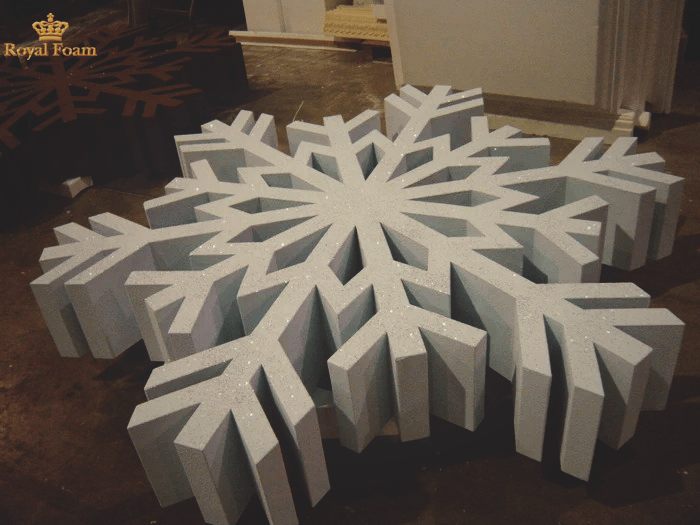
Part 1: Multi-Use, High-Durability Fabrications – Built to Travel, Built to Serve
When you’re investing significant budget into a booth, brand-activation environment or experiential build for a client, you want it to pay off beyond that one day/night/show. At 3D Sign Factory we design for repeat usage, relocation, rebuilds and long-term value. Here’s what that means in practice:
Durable structural design
Instead of treating our builds like “one-and-done”, we use materials and joinery that allow repeated assembly, disassembly and reassembly. We think in terms of modules, rigging-friendly attachments and engineered tolerances. This approach means your build holds up across multiple events, cities, even years. Which means your cost per event goes down-not up.
Custom logistics & transport solutions
Here’s a major piece often overlooked: once the build is done, how does it get from point A to point B intact, on time, without fighting damages or surprises? At 3D Sign Factory we provide custom crate systems for each major build: internally braced, padded, labelled, sometimes wheeled. These crates are not throwaway – they’re reusable, engineered for the road, storage and rough handling. By designing transport from day one, we reduce risk of last-minute shipping cost explosions, damaged assets, delayed installs – and that protects the marketing investment.
Storage & lifecycle management
Since you’re not throwing these builds away after one show, you’ll have to store them, maintain them, update them. We offer clients optional storage services so you don’t end up with a dusty warehouse full of half-busted props. You can view this as a mini “asset portfolio” of your experiential kit. Keep it ready, refurbished, updated – and for your ROI, the longer you keep using it the lower your cost-per-event.
Strategic marketing-asset mindset
If you treat your environment build as just another line item, you’ll get line-item results. But if you treat it as a strategic asset – something that builds brand, engages users, drives social share, can travel, can evolve – you elevate what you’re doing. That means the design decisions matter, the build quality matters, the logistics matter. In short: This is not “rent a prop and hope for the best”. It’s “invest in an environment that will serve you 3-5-10 times over”. When you do the math, the cost per show drops, the brand consistency improves, and you’re in control rather than reactive.
Use case thinking
Imagine you’ve got a major brand activation every quarter – four cities, different audiences, a live experience. If you build once and reuse four times, the marginal cost of each additional show becomes very small. If you build cheaply and throw it away each time, you’re paying 4× more (or more) and exposing yourself to higher risk. When you combine a strong build + logistics + storage + reuse strategy – you shift the conversation: from “how much does this cost?” to “what value does this deliver per show?”
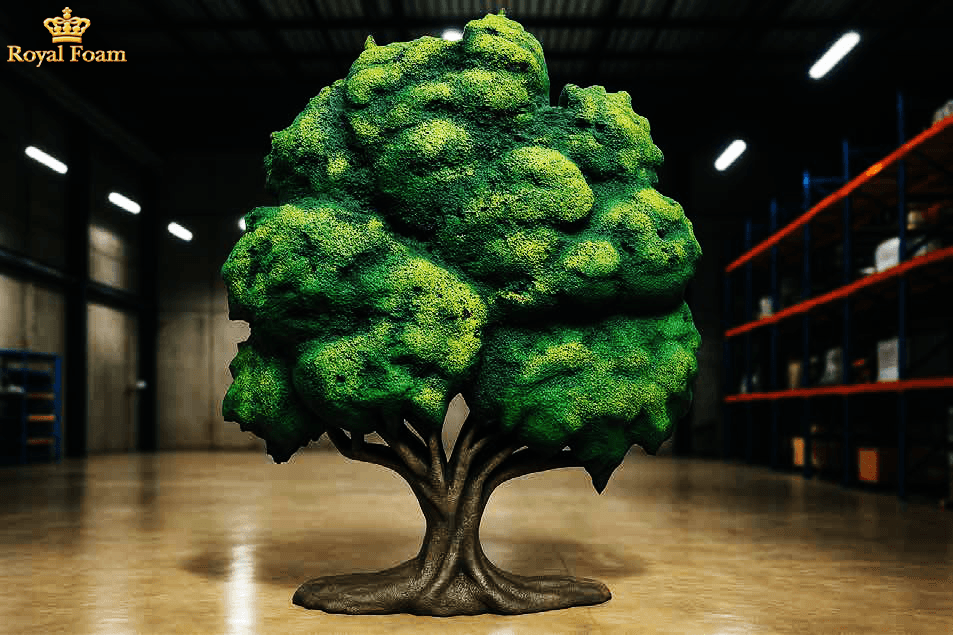
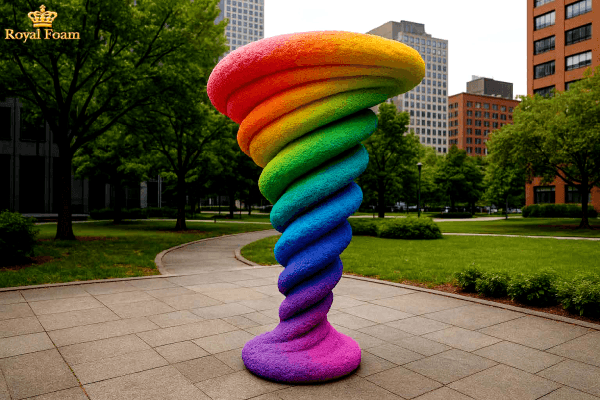
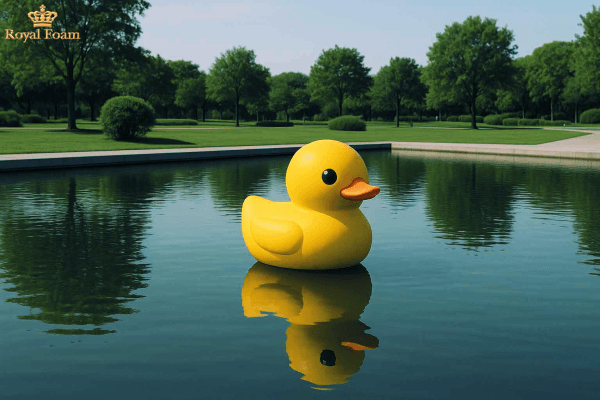
Part 2: Single-Use / Short-Lifespan Fabrications – Budget-Friendly, High-Impact, Purpose-Specific
Of course, not every activation needs a 5-year life. Sometimes you’re doing a one-off: a wedding, a seasonal holiday activation, a product launch for one weekend, an opening ceremony. For that, you want something with wow, but lighter, simpler, more cost-effective. That’s where our second category comes in.
Same visual impact, fewer re-use demands
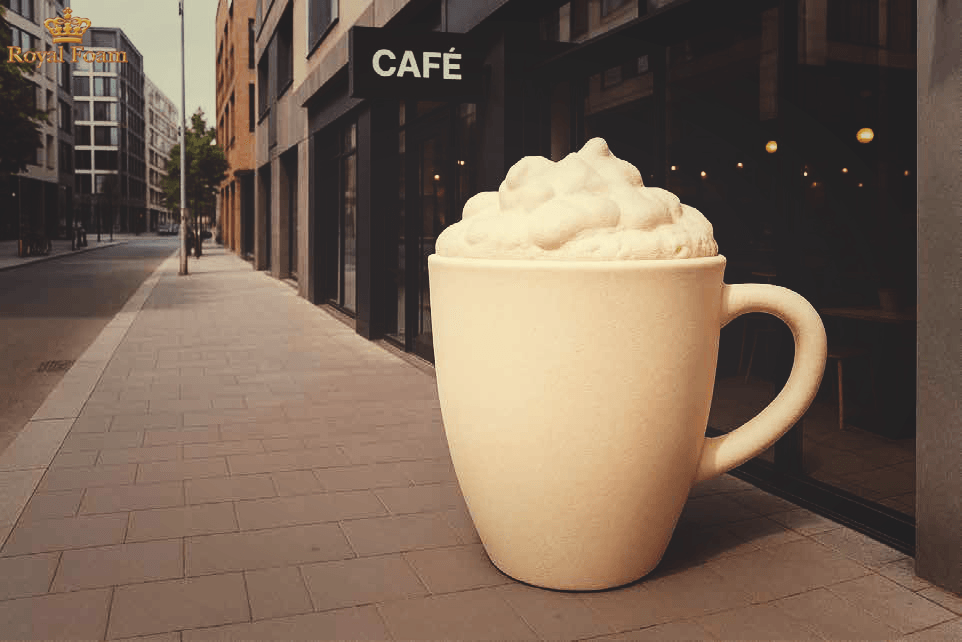
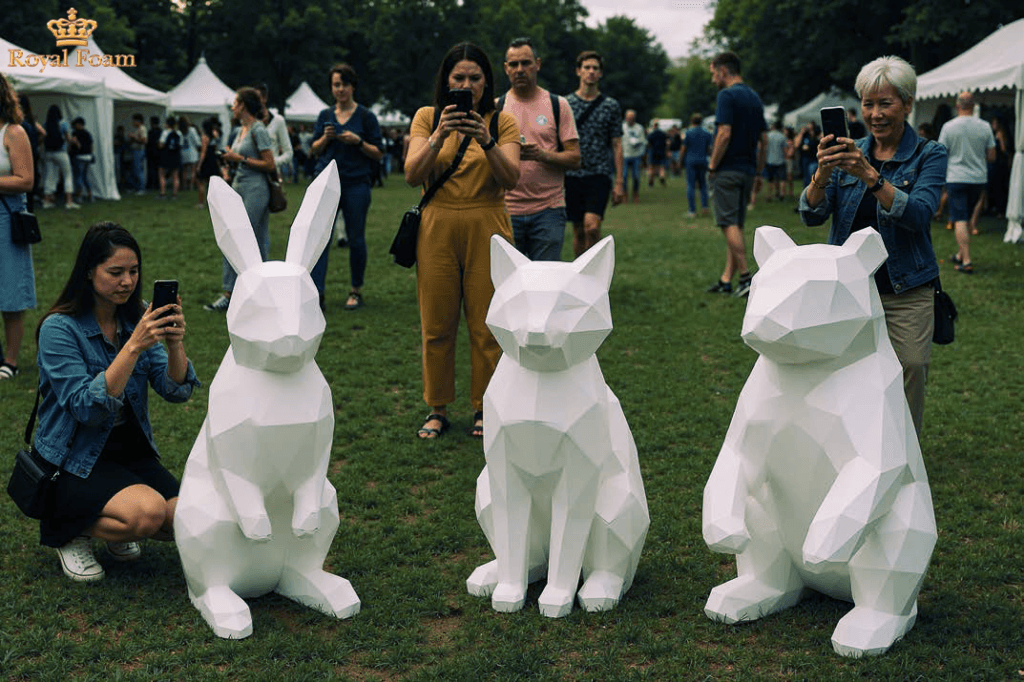
We design this category so you get that “instagram moment”, that immersive look, that photo-op, but with materials and construction optimized for one or a few uses, not dozens. Visually it’s no compromise: great graphics, bold shapes, strong brand presence. But structurally it’s lighter weight, less heavy duty hardware, simplified transport/assembly.
Budget-savvy build and disposal
Because you expect this build will not travel or reuse (or will reuse just once or twice), you can design it accordingly – less heavy framing, lighter finishes, smaller footprint, optimized for cost. At the end of its life, many elements are recyclable (and we encourage that).
Speed + flexibility
When you’re operating in a tight timeframe – holiday decor, themed activation, seasonal pop-up, this model is ideal. You don’t need months of logistics, you don’t need multi-city tours or long-term storage. You design, produce, install, run the event, then recycle or repurpose. It gives you flexibility: you can invest heavier on the visual side, knowing you won’t carry the cost of heavy duty modules you’ll never reuse.
Smart decision-making
The key question you should ask when choosing between model 1 (multi-use) vs model 2 (single-use) is: “How many times will I use this?” If the answer is “once or twice, in one location, for one target audience”, then single-use is smart. If the answer is “three or more activations, multiple cities, high brand investment” then multi-use stands out as better value. Too often brands default to the cheaper model without asking how many “shows” this will serve, and end up spending more per show.
Why 3D Sign Factory is the partner you want
Because we live at the intersection of event-production, fabrication, logistics and marketing asset strategy.
- We design with reuse in mind, or we design for single-use, but always with clarity around the lifecycle.
- We engineer transport and logistics into the build upfront (crates, modules, markings, storage) so there’s no “surprise shipping costs” down the road.
- We speak both “creative” and “operational” – we understand brand messaging, experiential impact, alongside rigging, shipping, storage.
- We keep it human – when you call us, you talk to a team that’s been in the field, understands delays, damage risks, show-floor mayhem, shipping disasters. We build to defend against that.

Final thoughts
Whether you go for the multi-use, high-durability route or the agile one-off route, what matters is that you make the decision intentionally. Too often I see clients treat everything as “just another build” and not ask whether it’s an investment. If you expect to reuse a build multiple times, don’t build like you’re doing a one-time pop up. If you’re doing a one-time thing, don’t pay multi-tour build costs. Match the strategy to the lifespan. Then build smart. Then reap the marketing return.
Frequently Asked Questions
What does it mean to treat an event fabrication as a strategic marketing asset?
Instead of viewing decor and props as one-time line-item purchases, a strategic asset mindset focuses on the long-term value, durability, and multi-city reuse of a build. This approach ensures that the upfront fabrication costs are distributed across multiple events, significantly dropping the overall cost-per-show while maintaining brand consistency.
How does 3D Sign Factory engineer multi-use fabrications to survive repeated travel?
Multi-use builds are designed with durable structural materials, modular joinery, and rigging-friendly attachments that allow for repeated assembly, disassembly, and reassembly. They are engineered to tight tolerances, ensuring the components fit together perfectly and look pristine across multiple cities, venues, and years.
Why are custom transportation solutions integrated into the initial design process?
Designing custom crate systems upfront protects your marketing investment from the risk of transit damage, delayed installations, and sudden shipping cost explosions. These heavy-duty, padded, and internally braced crates are completely reusable and engineered to withstand rough freight handling and long-term storage.
When should a business choose a single-use or short-lifespan fabrication?
A single-use fabrication is the smartest choice for one-off events with tight timelines, such as weddings, seasonal holiday pop-ups, or weekend product launches. This model delivers the exact same high-quality visual impact and “Instagram moments” as durable builds, but utilizes lighter, cost-effective materials optimized for a single location.
Does a budget-friendly, single-use build mean compromising on visual quality?
Not at all, as single-use fabrications feature the same bold shapes, premium graphics, and powerful brand presence as heavy-duty builds. The cost savings come entirely from a lighter structural footprint, fewer heavy-duty framing elements, and simplified assembly hardware rather than a reduction in aesthetic appeal.
How do I decide whether a multi-use or a single-use strategy is right for my event?
The choice comes down to a single question: “How many times will this fabrication be used?” If you plan on hosting three or more activations across multiple cities, investing in a durable, multi-use build offers the highest ROI, whereas a single-use setup is the most financially savvy choice for a one-time audience.

Read more

The Importance of Hard Coating in Outdoor Signage: How Polyurea Coating Transforms Foam Structures into Durable Signage
The Art of Imitation: How Faux Finishes Transform EPS Foam Into Stone, Metal & Wood

Beyond Traditional Materials: Why HDU Foam Is Replacing Wood and Stone in High-End Signage
The Hidden Science Behind High-Quality Foam Lettering & Dimensional Signage
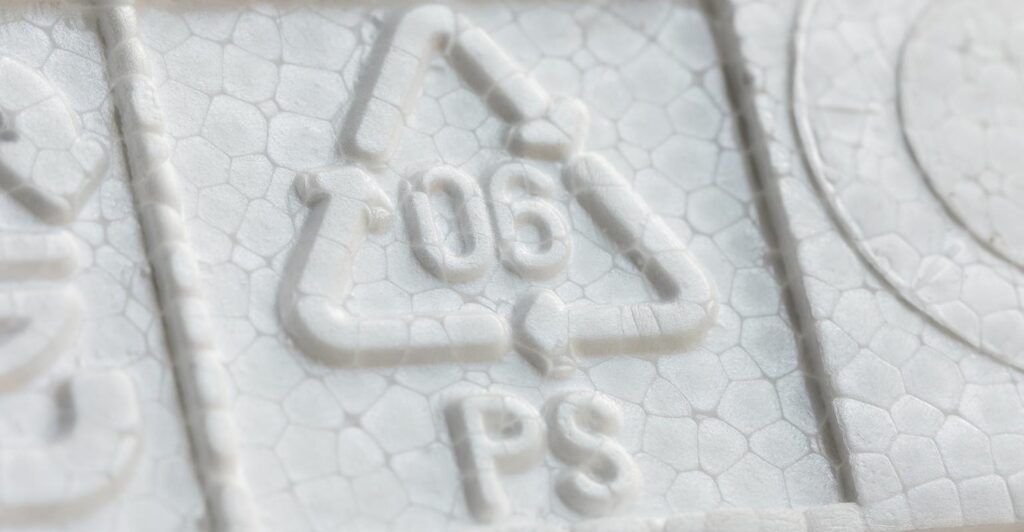
Eco-Friendly Signage Solutions: Is HDU & EPS Foam the Sustainable Choice?

Why Lightweight Foam Monument Signs Are Ideal for Large-Scale Signage

The Importance of Proper Installation for Monument Signs

Foam vs. Metal Signs: Cost, Durability, and Aesthetic Considerations

The Importance of Proper Installation for Monument Signs

You’re Met by Your Looks, Welcomed by Your Substance
Recommended Articles
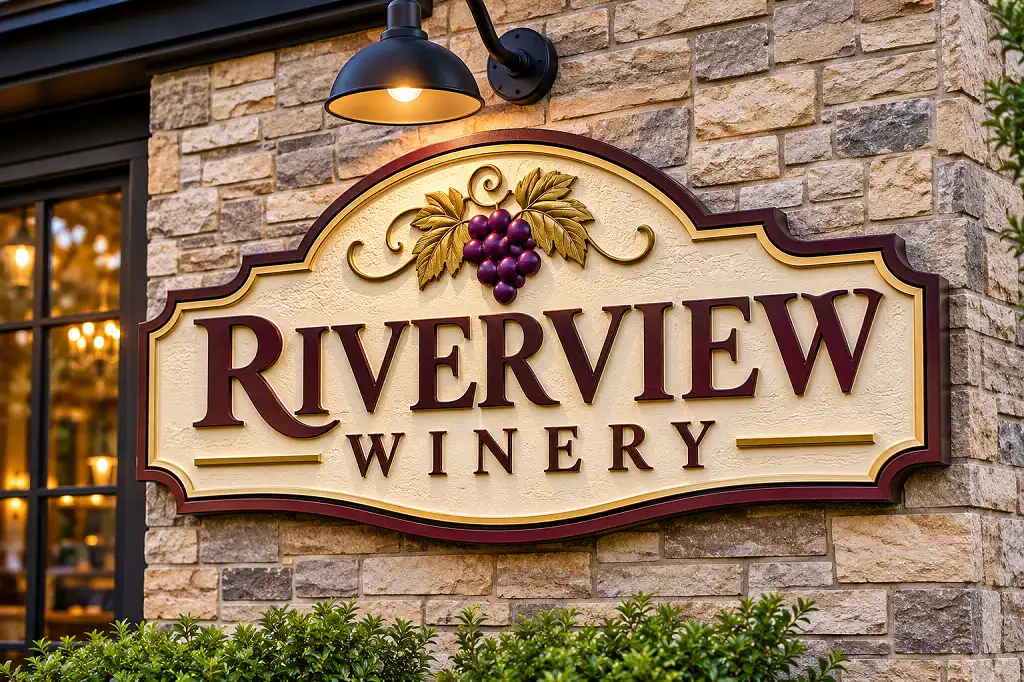
HDU Signs: What High-Density Urethane Foam Is and Why It’s a Premium Sign Choice
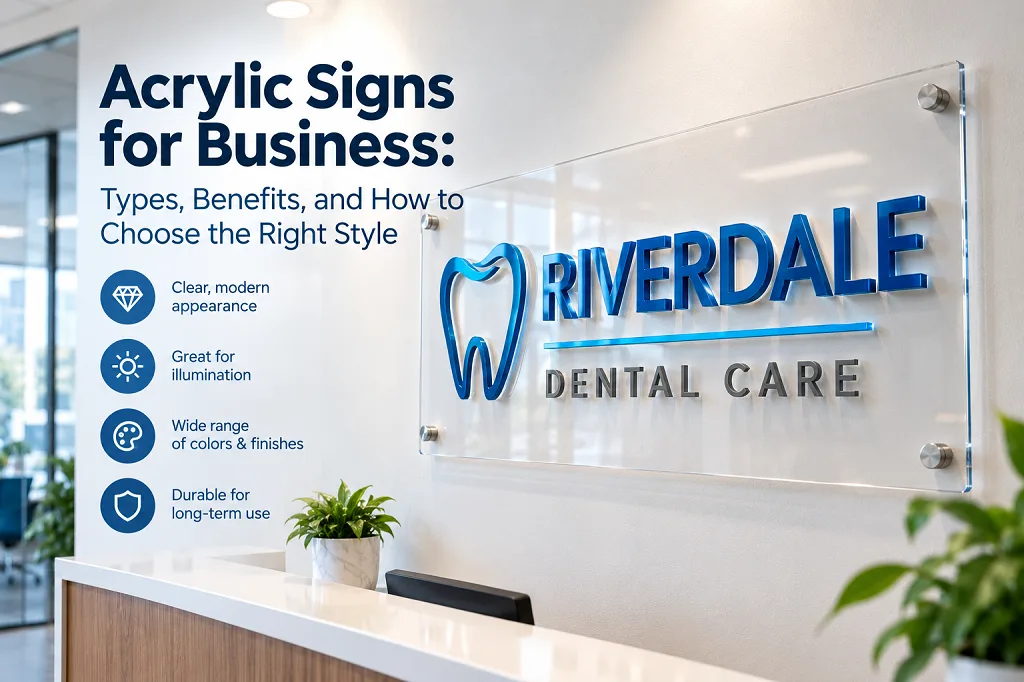
Acrylic Signs for Business: Types, Benefits, and How to Choose the Right Style
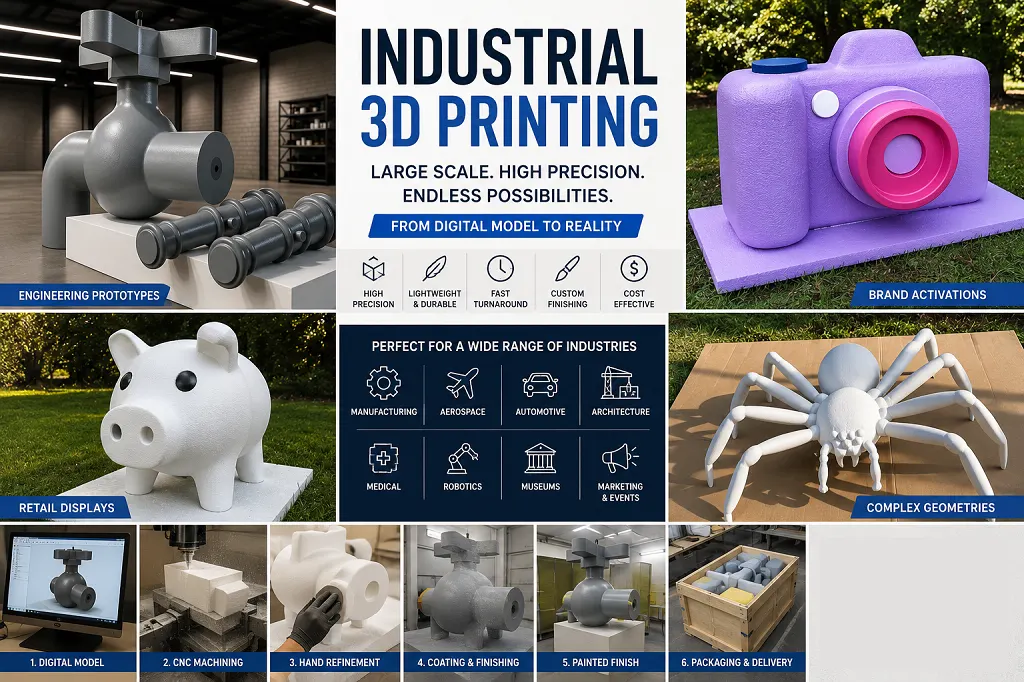
Industrial 3D Printing: Large-Scale Foam Prototypes, Models & Manufacturing Solutions
Molds for Stone Signs: The Foundation Behind Consistent Architectural Signage
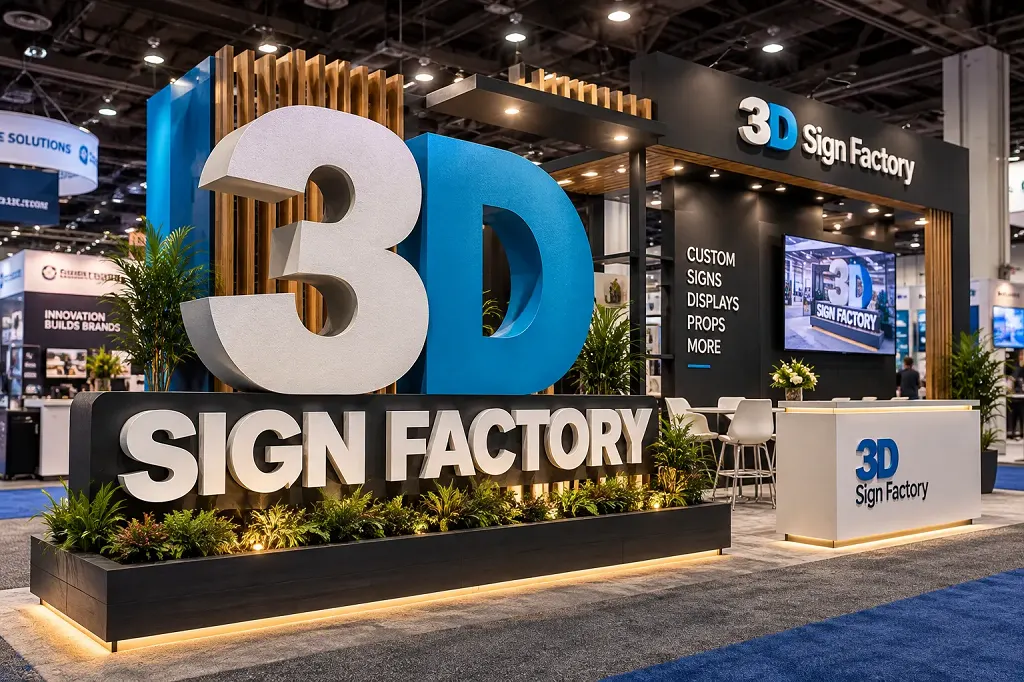
Beyond the Booth: How Custom 3D Displays Make Brands Stand Out at Expos and Events
Sandblasted vs. Routed Signs: Which Is Right for Your Project?
Our customer reviews
Read more reviewsRead more reviews