Beyond Traditional Materials: Why HDU Foam Is Replacing Wood and Stone in High-End Signage
Quick Navigation
- How Modern Signs Have Changed
- What Is HDU Foam? The Science Behind the Material
- Problems with Traditional Materials
- Why HDU Foam Is the Best Choice for High-End Signs
- The 3D Sign Factory Process: Making HDU Signs That Last
- How HDU Foam Is Used in the Real World
- Cost, Speed, and ROI Advantages
- The Future of High-End Signage
- Conclusion: A New Standard for Signs
In modern architecture and signage, the materials used communicate a story. The brand’s personality and status are shown in the texture of the surface, the details of the edges, and the choice of finish. For a long time, wood and stone were the main characters in this story. They stood for power, skill, and honesty. High-Density Urethane (HDU) foam has quietly seized the lead in today’s fast-paced design world, where looks, speed, and durability are just as important as performance.
At 3D Sign Factory, we’ve witnessed how HDU foam signs are changing what people anticipate in a wide range of fields, from high-end retail and hospitality to civic architecture and event design. Architects, builders, and sign sellers are using HDU not as a replacement for conventional materials, but as a better evolution that combines the beauty of the past with the smart engineering of the future.
How Modern Signs Have Changed
Signage has always been about making a lasting impact that withstands time and weather. But just because something is permanent doesn’t mean it has to be heavy, breakable, or need a lot of care. In the last ten years, businesses have learned that the heaviest materials don’t always work the best.
Wood and stone are beautiful, but they have their limits. When wood gets wet or the temperature changes, it warps, cracks, and rots. Stone, however physically appealing, is costly to transport and prone to chipping or erosion. In contrast, metal can rust and lose its sheen over time.
Sign firms and designers are being asked to do more with less as environmental rules get stricter and finances get tighter. They need to deliver beauty, strength, and efficiency without sacrificing quality. This is exactly where HDU foam comes in.
HDU is the best choice since it is strong, lightweight, and gives you a lot of design freedom. It cuts like wood, paints like metal, and is better at withstanding the weather than most other natural materials. This means that builders, fabricators, and company owners may have the traditional look of old signs without any of the problems.
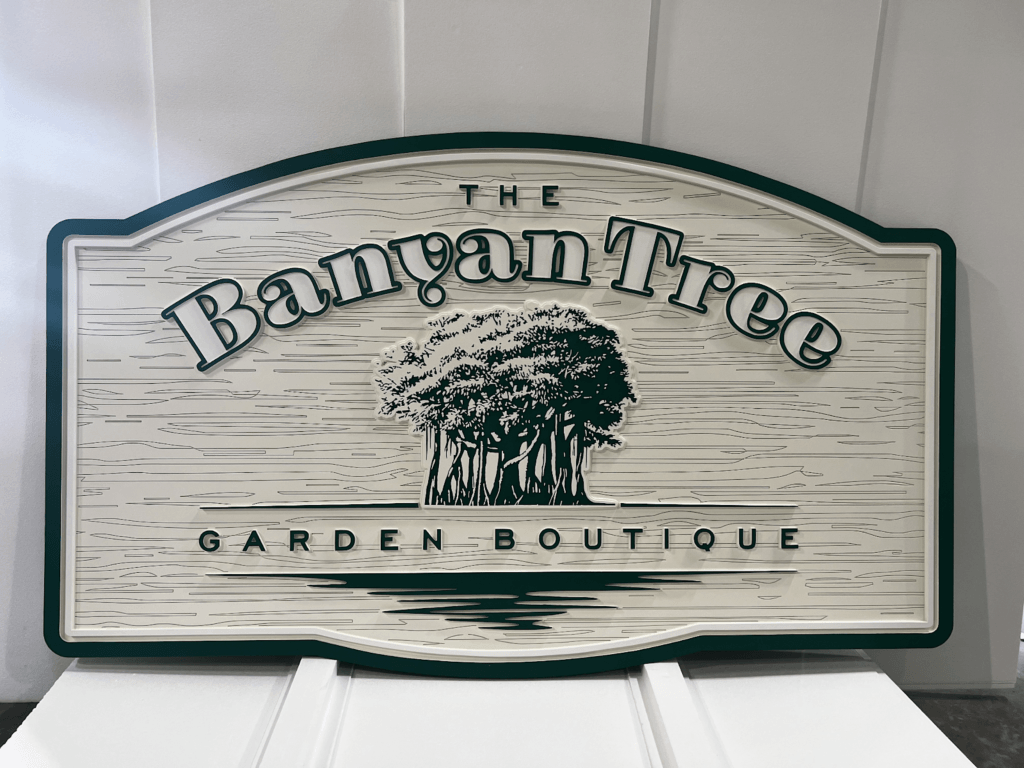
What is foam made of HDU? The Science Behind the Material
HDU foam is a hard polyurethane substance with closed cells that is made to work where natural materials like wood, metal, or stone don’t. HDU’s closed-cell molecular structure makes a dense, waterproof network that keeps water out and protects against environmental stress. This is different from open-cell foams, which let air and moisture in. This one feature makes it a great material for making exterior signs, architectural decorations, and sculptures.
In a technical sense, HDU foam is made by combining urethane resin with a specified amount of blowing agents in a polymerization process. As the chemical reaction goes on, it makes homogeneous, microscopic cells that trap inert gas instead of air. This makes a material that is light, stable in size, and very strong. The end product is a substrate that acts more like a solid plastic composite than regular foam.
One of the things that makes HDU unique is its density. Densities are usually between 10 and 30 pounds per cubic foot (pcf). Higher densities make things stiffer and more resistant to impact. We employ high-density formulas at 3D Sign Factory that are great for CNC routing, sandblasting, and precise carving because they balance machinability and strength. This level of accuracy lets you make sharp edges, detailed textures, and fine engravings that look and last as long as natural materials.
One of HDU’s best features is that it doesn’t react with other substances and doesn’t absorb moisture. It doesn’t swell, decay, or attract bugs like wood does. It also doesn’t break down when exposed to UV rays, so it won’t get brittle or change color over time. These qualities make it perfect for signs that will be in very bad weather, like seaside areas with a lot of salt or alpine areas with very cold and hot temperatures.
HDU foam is not only tough, but it is also chemically stable and better for the environment than many other options. There are no formaldehyde, chlorofluorocarbons (CFCs), or volatile organic compounds (VOCs) in it. Once it has cured, it stays inert, which means it doesn’t off-gas or leak into nearby materials.
HDU foam is the most versatile material since it is light, strong, and stable in the environment. It fills the gap between old-fashioned workmanship and modern engineering by providing a material that can feel like carved wood, stone, or metal, all while being easier to make, move, and install.
In short, HDU foam is not just a replacement for natural materials; it is a better version of them.
Problems with Traditional Materials
Before we talk about why HDU is replacing earlier materials, let’s remember what those materials require from builders, fabricators, and clients.
- Wood: Even the best hardwoods can rot, distort, and get damaged by bugs. They need to be sealed, painted, or varnished all the time to keep them looking beautiful.
- Stone: Stone is beautiful and ageless, but it is very heavy, hard to cut, and hard to move. It also makes it harder to change the design, especially for complicated or light installations.
- Metal: Metals like aluminum or bronze look modern, but they can rust, dent, or lose their sheen over time. They also cost a lot to make and finish.
There are hidden costs to maintaining each of these materials, both for the environment and for your wallet. HDU, on the other hand, solves most of these problems while perfectly copying their look.
Why HDU Foam is the Best Choice for High-End Signs
HDU foam is becoming more popular in high-end signs for a reason: it’s been there for decades, and the market wants smarter ways to make things.
- Long-lasting and resistant to bad weather, HDU foam doesn’t swell, degrade, or corrode. It doesn’t care about humidity, snow, or salty air, so it’s great for both coastal and inland areas. The durability of the material keeps the exquisite carved features sharp and true for years.
- Unmatched Detail and Carvability HDU routes neatly and smoothly, so CNC machines can make crisp edges and exact letters that are as good as or better than hand-carved wood or etched stone. This level of accuracy makes it perfect for 3D logos, dimensional typography, and fancy monument signage.
- Affordable and Easy to Carry HDU is much lighter than wood or stone, which means that shipping, labor, and installation expenses go down a lot. This also gives designers greater leeway to be creative because taller or higher signage doesn’t need substantial structural support anymore.
- Works with Modern Coatings HDU works great with polyurea, polyurethane, and acrylic coatings. These finishes not only make the outside strong, but they also let you add realistic textures like aged bronze, wood grain, or chiseled stone.
- Predictability and consistency Unlike natural materials, HDU is made with a consistent density, so every panel or letter works the same way when it is made. No knots, no grain changes, and no cracks. Just results you can count on every time.
- Long-lasting HDU is made in a way that doesn’t involve cutting down trees or mining quarries. It also uses a lot less energy to make than stone or metal. Some kinds are even manufactured from things that have been used before.

The 3D Sign Factory Process: Making HDU Signs That Last
We at 3D Sign Factory are proud to combine technology with skill. Every HDU sign project starts with a collaborative design process. Our team works with architects, designers, and resellers to turn ideas into products that can be made.
Once the design is approved, we use CNC routing to carefully mold HDU blocks into intricate shapes. CNC machining guarantees that all units are perfectly symmetrical and can be repeated, unlike traditional carving. This phase makes sure that even in high-volume manufacture, the props or routed monument signs are always the same.
Next, each piece is hand-finished and covered with a layer of polyurea or polyurethane to protect it. This coating not only makes things last longer, but it also gives them the feel of stone, metal, or wood, depending on what the client wants.
The last step is to paint, texture, and detail the item to order. Every finish is done with care and thought to how long it will last, whether it’s a sandblasted look for a rustic style or a smooth, metallic sheen for a business brand.
Before being packed and transported, each sign is checked in several steps to make sure it is the right size and has a good surface. Royal Foam can create high-quality personalized signs faster than many traditional manufacturers because of our regulated production environment. We never cut corners.
Design Flexibility and Realistic Look
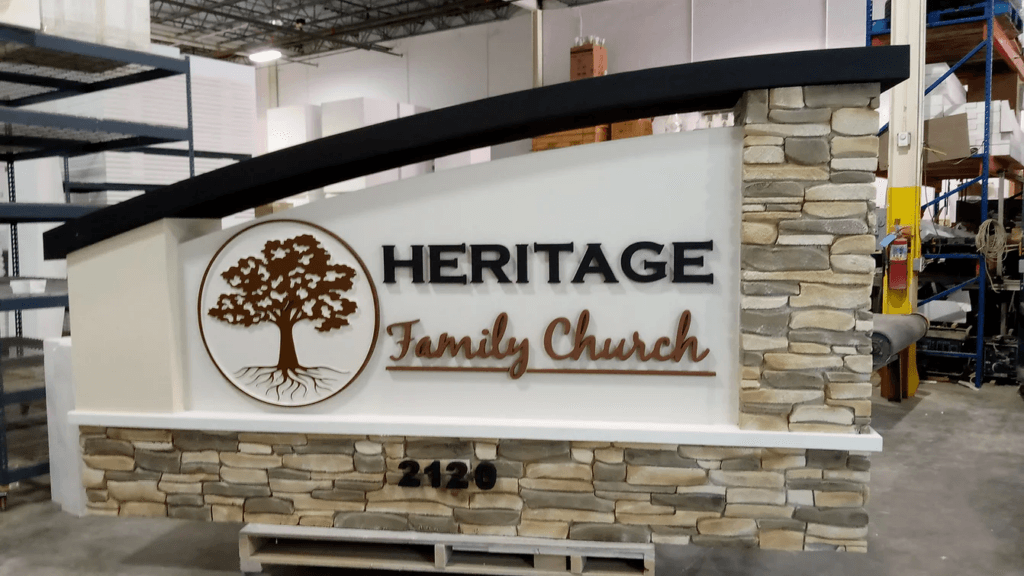
One of HDU’s best features is how well it can mimic natural materials. Even skilled professionals are often shocked by how well it does this. The foam has a consistent density, which lets coatings stick together consistently. This implies that fake wood, stone, or metal textures can be made with amazing accuracy.
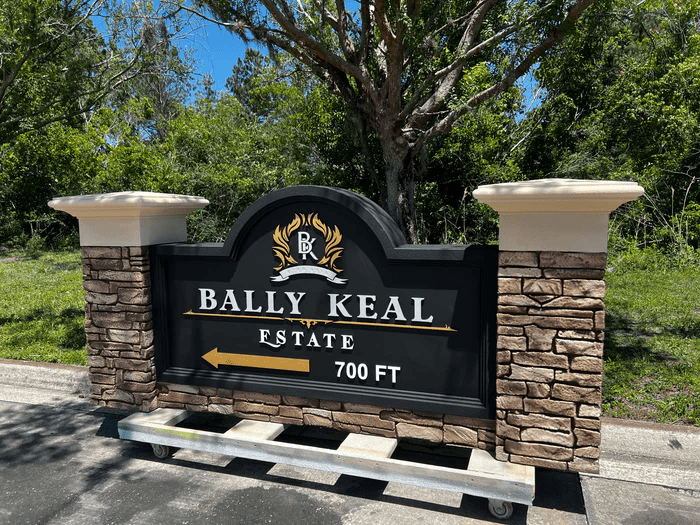
Luxury hotels, golf resorts, and cities commonly ask for monument markers that appear like carved stone but are much easier to put up and take care of. Retail brands and real estate developers also like HDU because it can give a high-end, three-dimensional look while staying within budget and environmental limitations.
HDU is a great choice for both modern minimalist and historic architectural styles because it can be used in so many ways. HDU signs go with almost any design style, from slick brushed metal finishes to worn wood effects.
Sustainability and Environmental Responsibility
It’s no longer a niche need; it’s become a typical expectation. We at 3D Sign Factory know that every item we create adds to the worldwide impact of our industry. HDU foam is a key part of our commitment to make signs that are good for the environment.
HDU doesn’t need to cut down trees, unlike wood. It doesn’t need intensive quarrying or processing that releases a lot of emissions, unlike stone. Because it is light, it emits less pollution when it is moved, and because it is strong, signage won’t need to be replaced as often, which means less waste in the long run.
Many modern HDU items are made using recycled urethane materials, which makes them part of a circular economy that is good for the environment. We also use VOC-free coatings and water-based paints at 3D Sign Factory to cut down on dangerous emissions throughout the manufacturing process.
Choosing HDU signs is not just a design choice; it’s also a promise to do things responsibly. Every routed sign or HDU monument is one less tree cut down and one more step toward building in a way that is good for the environment.
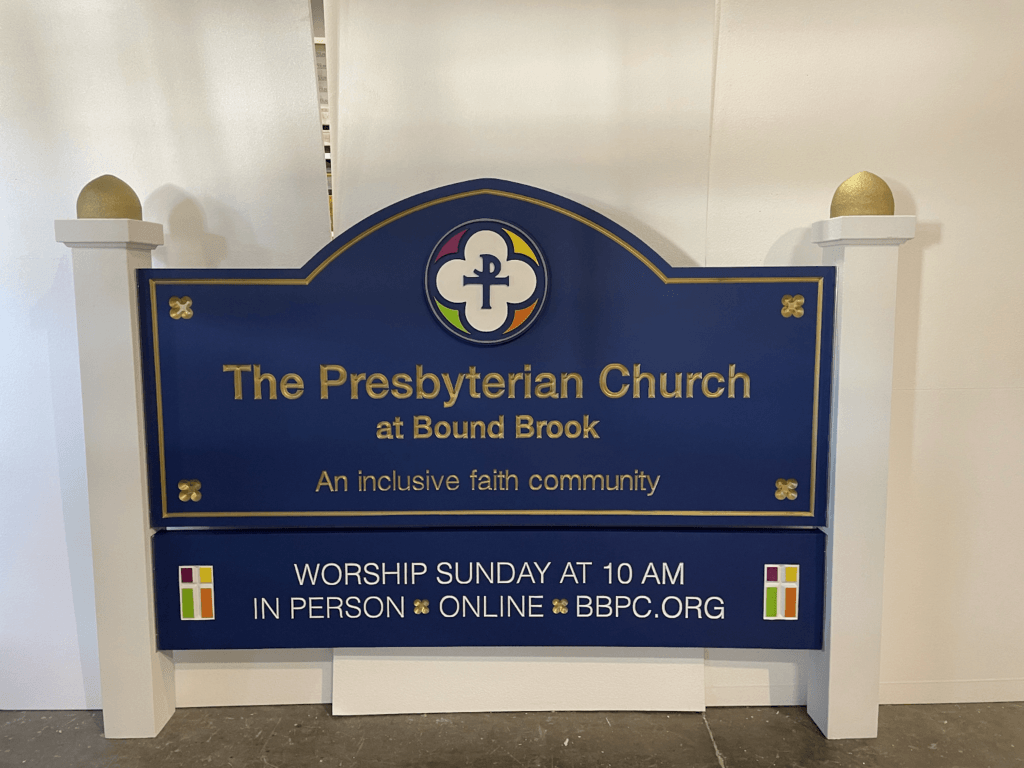
How HDU Foam is Used in the Real World
HDU is strong because it can change. It may be used for more than simply signs; it can also be used for 3D design and improving architecture.
- Monument Signs: HDU is perfect for outdoor monument signs that need to last a long time without needing any maintenance.
- Dimensional letters: Because it is light but strong, it is great for raised letters and logos, both inside and outside.
- Architectural Accents: HDU adds texture and character to structures without putting stress on their structure. It can be used to make fake stone columns, cornices, and trimmings.
- Props for sculpture and events: The same things that make it great for signs also make it great for 3D events and exhibition pieces.
- Municipal and Institutional Branding: Many cities now utilize HDU for public signs since it is safe, long-lasting, and environmentally friendly.
The main idea behind all of these uses is the same: HDU combines the beauty of traditional workmanship with the usefulness of modern technology.
Cost, Speed, and ROI Advantages
HDU signs not only look better, but they also make more money. The savings begin during manufacture and last for the whole life of the product.
HDU is easy to machine and light to ship, which means that it takes less time to make and fewer resources to install. This means that projects can be done more quickly and for less money on manpower and transportation.
But maybe the most important thing is that it lasts a long time. HDU signs don’t need to be painted every few years like wood signs do, and they don’t need repairs when they fracture or stain like stone signs do. The end result is a cheaper total cost of ownership and a higher return on investment for both enterprises and governments.
HDU’s continuous performance also lowers the risk of manufacturing problems and consumer complaints for resellers and sign companies, which boosts profits and brand credibility over time.

The Future of High-End Signage
The signage business is moving toward materials that can give accuracy, beauty, and environmental responsibility at the same time as digital design tools and sustainable production come together. That future is all about HDU foam.
Modern fabricators who need to blend art and performance have made it their go-to substrate since it is strong, easy to work with, and good for the environment. HDU is showing that lightweight may still mean long-lasting, from corporate offices to national parks, from luxury complexes to themed entertainment.
We at 3D Sign Factory think that this change isn’t only about material science; it’s also about allowing designers, architects, and marketers the power to create without constraints.
Conclusion: A New Standard for Signs
The sign-making industry doesn’t have to choose between old and new anymore. HDU foam lets you have both: the timeless beauty of hand-crafted detail and the dependability of cutting-edge engineering.
For businesses that want signs that look good and last a long time, HDU is no longer an option; it’s the new standard.
At 3D Sign Factory, we’ve spent years mastering the art and science of making foam. Our HDU and EPS products are made to be impressive, last a long time, and help the future of sustainable design.
Visit royalfoam.us or call us now for a consultation if you’re ready to see how HDU foam may change your next project. Let’s work together to change what signs can be.
Frequently Asked Questions
What exactly is High-Density Urethane (HDU) foam?
HDU is a rigid, closed-cell polyurethane material specifically engineered to outperform natural wood, stone, and metal in architectural applications. Its dense, waterproof molecular network completely blocks out moisture, preventing the material from warping, rotting, or absorbing water.
How does the durability of HDU foam compare to traditional wood?
Unlike wood, which cracks, decays, and attracts insects over time, HDU foam is entirely impervious to biological degradation and pest damage. It remains dimensionally stable in extreme weather conditions, from salty coastal air to freezing mountain temperatures, without requiring constant resealing.
What advantages does HDU foam offer during the fabrication and installation phases?
HDU foam features a highly consistent density with no knots or grain variations, allowing CNC routing machines to carve incredibly sharp, intricate 3D details smoothly. Furthermore, its lightweight nature drastically reduces shipping costs and eliminates the need for heavy machinery or massive structural supports during installation.
Can HDU foam signs realistically mimic premium natural materials?
Yes, because HDU possesses a smooth and predictable surface structure, it bonds seamlessly with advanced polyurea, polyurethane, and acrylic coatings. Expert artisans can utilize these finishes to replicate the authentic texture and appearance of sandblasted wood, chiseled stone, or aged bronze with flawless accuracy.
Is HDU foam considered an environmentally responsible material?
Absolutely, as choosing HDU eliminates the need for logging timber or intensive stone quarrying, significantly reducing the consumption of limited natural resources. It is chemically inert, free of harmful VOCs or formaldehyde, and its lightweight properties lower fuel emissions during transit.
For what types of architectural and branding applications is HDU foam best suited?
Thanks to its versatility, HDU is the gold standard for premium outdoor monument signs, dimensional building lettering, and detailed architectural accents like faux stone columns or cornices. It is also extensively used for high-end hospitality signage, municipal branding, and heavy-duty event props.

Read more
The Importance of Hard Coating in Outdoor Signage: How Polyurea Coating Transforms Foam Structures into Durable Signage
The Art of Imitation: How Faux Finishes Transform EPS Foam Into Stone, Metal & Wood
The Hidden Science Behind High-Quality Foam Lettering & Dimensional Signage
Eco-Friendly Signage Solutions: Is HDU & EPS Foam the Sustainable Choice?

Why Lightweight Foam Monument Signs Are Ideal for Large-Scale Signage

The Importance of Proper Installation for Monument Signs

Foam vs. Metal Signs: Cost, Durability, and Aesthetic Considerations

The Importance of Proper Installation for Monument Signs

From One-Time WOW to Multi-Tour ROI

You’re Met by Your Looks, Welcomed by Your Substance
Recommended Articles
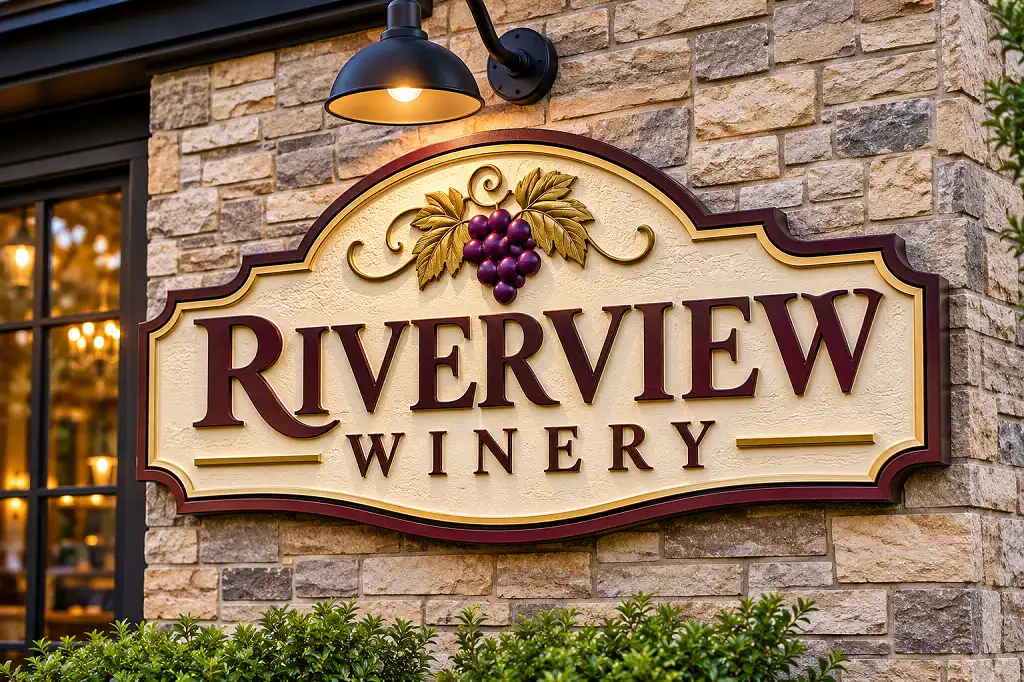
HDU Signs: What High-Density Urethane Foam Is and Why It’s a Premium Sign Choice
Acrylic Signs for Business: Types, Benefits, and How to Choose the Right Style
Industrial 3D Printing: Large-Scale Foam Prototypes, Models & Manufacturing Solutions
Molds for Stone Signs: The Foundation Behind Consistent Architectural Signage
Beyond the Booth: How Custom 3D Displays Make Brands Stand Out at Expos and Events
Sandblasted vs. Routed Signs: Which Is Right for Your Project?
Our customer reviews
Read more reviewsRead more reviews