The Hidden Science Behind High-Quality Foam Lettering & Dimensional Signage
Quick Navigation
- What Makes Dimensional Foam Signage So Effective?
- Material Matters: EPS vs. HDU Foam in Signage
- Precision Cutting: CNC Technology in Foam Sign Fabrication
- Hard Coatings and Finishes: Turning Foam into Faux Stone, Wood, or Metal
- The Science of Color and Visibility in Dimensional Lettering
- Eco-Friendly Signage: How Foam Helps Reduce Carbon Footprint
- Applications of Dimensional Foam Lettering
- Installation Engineering: Mounting & Durability Considerations
- The 3D Sign Factory Advantage
- Conclusion: The Science Is in the Details
In the world of signs, dimensional lettering is one of the most eye-catching things. Dimensional signs say more than just words. They show who you are, the level of your professionalism, and your presence on the market. For example, a big brand name above a store, 3D wayfinding signs on a campus, or detailed foam props that make events come to life.
But why has foam, which is usually used for packaging and insulation, become one of the most modern and environmentally friendly materials in the signage industry? To answer that, we need to look at what goes into dimensional signage and why foam substrates are better than other materials in more ways than just cost and weight.
When businesses, architects, event planners, and cities need signs that say a lot without saying a word, they come to us. These customers want to be different, but they also want things that are easy to move, quick to set up, and good for the environment.
3D Sign Factory makes high-quality foam signs out of both EPS (Expanded Polystyrene) and HDU (High-Density Urethane). Making high-performance foam lettering and signs is a complicated process that involves a lot of science, engineering, and careful work. The end result may look simple and stylish, but the process it’s not.
Foam signs can also be made bigger, which is another great thing about them. Foam lets brands think big because it is light and can be modified to suit their needs. Foam lets you be creative on a large scale without the cost or hassle of traditional signage materials. For example, oversized letters for concert stages, sculptural signs for outdoor malls, and faux-finished monument signs for civic centers.
So, if you’re a facility manager looking for affordable ways to brand your space or a designer looking for eco-friendly solutions to make signs, this is your crash course in the hidden science behind the world’s most flexible, useful, and eco-friendly sign medium.
What Makes Dimensional Foam Signage So Effective?
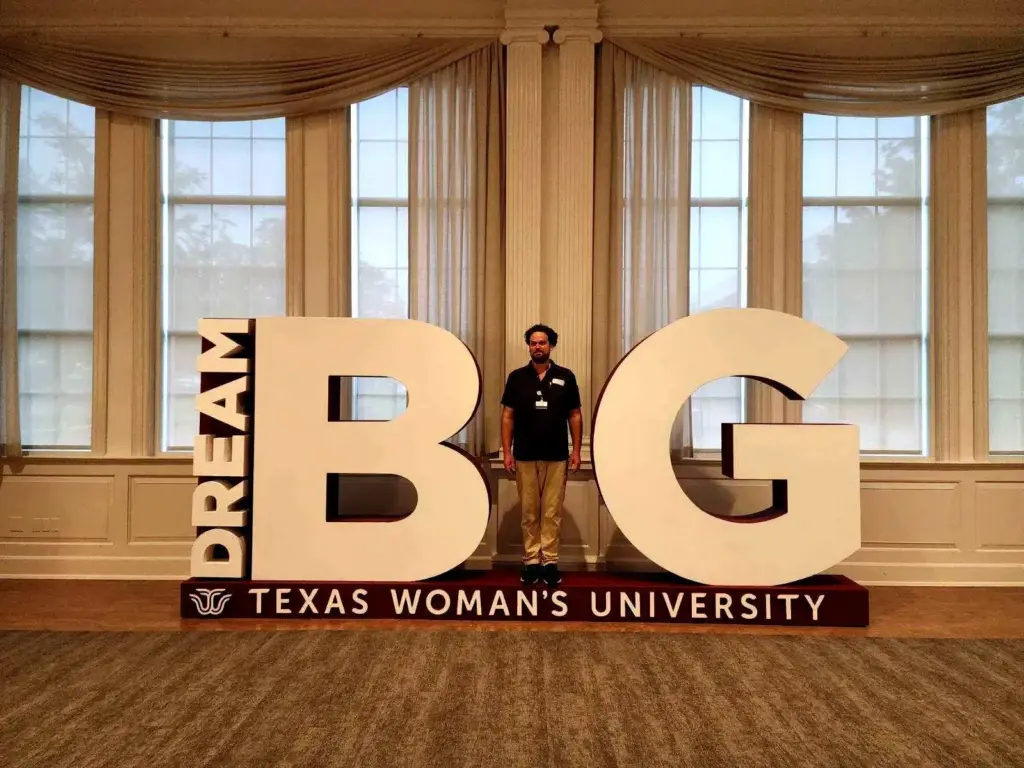
Dimensional signage is more than just a way to make things look better. Research shows that 3D lettering makes things much easier to read, remember, and connect with a brand. The extra depth and shadow play make signs stand out in both daylight and nighttime. This visual richness helps brands make a bigger impact in stores, on city streets, and in public buildings.
HDU foam or EPS foam can be used to make dimensional signs. They are more durable, stand out more, and look more professional. Dimensional signs show depth, both literally and figuratively. This is different from flat prints or vinyl decals. It makes things seem more valuable and shows that you care about the details.
So what is it that makes it work so well?
1. Better Visibility and Readability: Foam letters and graphics have a three-dimensional shape that makes them catch natural and artificial light differently at different times of the day. This makes highlights and shadows that make it easier to see from different angles and distances.
This is especially helpful in places with a lot of traffic or outside where sunlight or glare could make flat signs hard to read. Dimensional signs stay clear and easy to see in different situations, which makes them more useful and adaptable.
2. Depth = Brand Impact Depth adds feeling and presence. A flat sign might show your name, but a dimensional sign makes a statement. It gives your brand a place to stay. In the field of marketing psychology, people connect dimension and tangibility with trust, authority, and permanence.
For businesses, this means that customers will have a better opinion of them. A well-made dimensional logo on your front door doesn’t just tell people who you are; it also tells them you’re established, trustworthy, and invested.
3. Foam signage with the right coatings, like polyurea, is more durable than many other materials when it comes to weatherproofing and impact resistance. It won’t rot like wood does. It won’t rust like metal. It won’t bend or break when the temperature changes, unlike plastic or vinyl.
The polyurea hard coating makes a shell that keeps foam safe from UV rays, moisture, pests, and physical damage. It also makes signs last longer, so they can be used indoors and outdoors in almost any climate.
4. Weight is an important factor in signage, especially for larger letters or installations with more than one piece. Foam is easier to handle, safer to install, and costs less to ship because it is light. It also makes it possible to use in sensitive places, like suspended signs in atriums or mounted displays on historic facades, where weight limits would otherwise make dimensional elements impossible.
Foam signs are very strong, even though they are light. This is especially true when they are coated. When necessary, our engineers add internal reinforcements to each piece to make sure it lasts without changing the design.
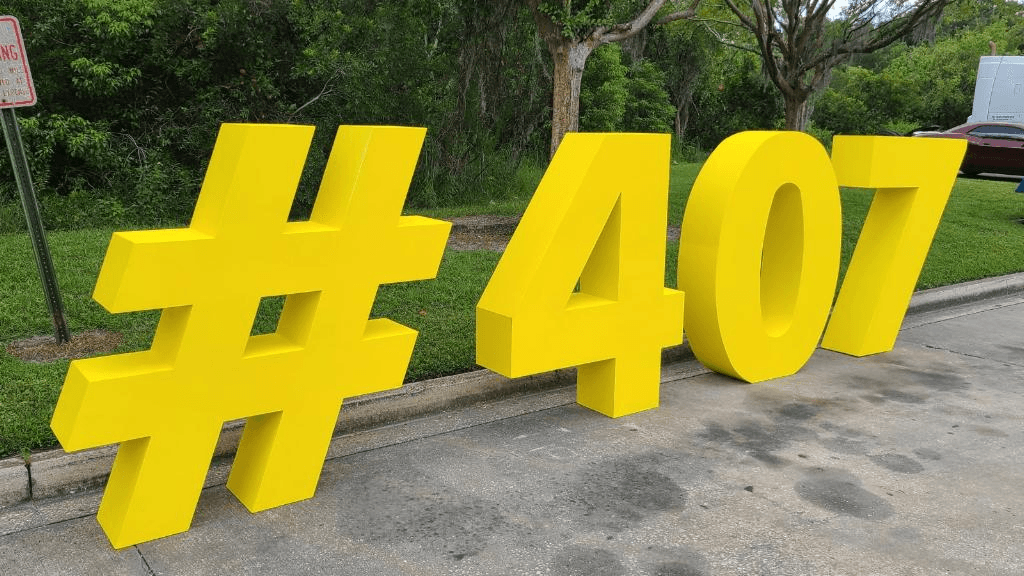
5. Foam signs can be made to fit almost any shape, size, or design because CNC machining and hot-wire cutting make them fully customizable and scalable. There are no limits to what you can do, from simple sans-serif fonts to fancy logos. Clients can make their signs fit their branding, architectural style, and functional needs perfectly because of this flexibility.
EPS is great for big projects like trade show displays, giant branding letters, or props for a stage. HDU is better for detailed engraving, dimensional logos, or wayfinding signs because it is denser and has a smoother finish.
6. Foam’s surface can take a lot of different finishes. Foam can look like anything that traditional sign materials can, like faux stone, faux wood, metallic paints, and UV-resistant lacquers. This flexibility lets designers be creative and fit in with any brand or environment.
Want your signs to look like carved limestone but not be too heavy? Foam makes it happen. Do you need a 12-foot logo for your lobby wall that looks like brushed metal? Foam gets it there in a way that is inexpensive and good for the environment.
7. Foam signage is cheaper than many other options because it needs less raw material, energy, and labor to make. But “affordable” doesn’t mean “cheap.” Foam signs are just as durable, detailed, and well-finished as high-end materials, but they cost a lot less.
This means that clients can get more for less money and move money around to other parts of their projects, like lighting, landscaping, or digital integration.
8. Sustainability Adds Value: Eco-friendly businesses and customers care about what their signs are made of. Dimensional foam signs are a great way to show that you care about the environment. EPS can be recycled, and HDU is inert and lasts a long time. Foam signs can help projects get green building certifications and have less of an impact on the environment when used with low-VOC coatings and efficient production.
We at 3D Sign Factory want to help our clients pick signs that look good, work well, and show their commitment to the environment.
Dimensional foam signage isn’t just useful; it’s also a smart design. It strikes the perfect balance between aesthetics, performance, and durability—something traditional signs often can’t match. That’s what makes it a great choice in today’s fast-paced, image-driven world.
Material Matters: EPS vs. HDU Foam in Signage
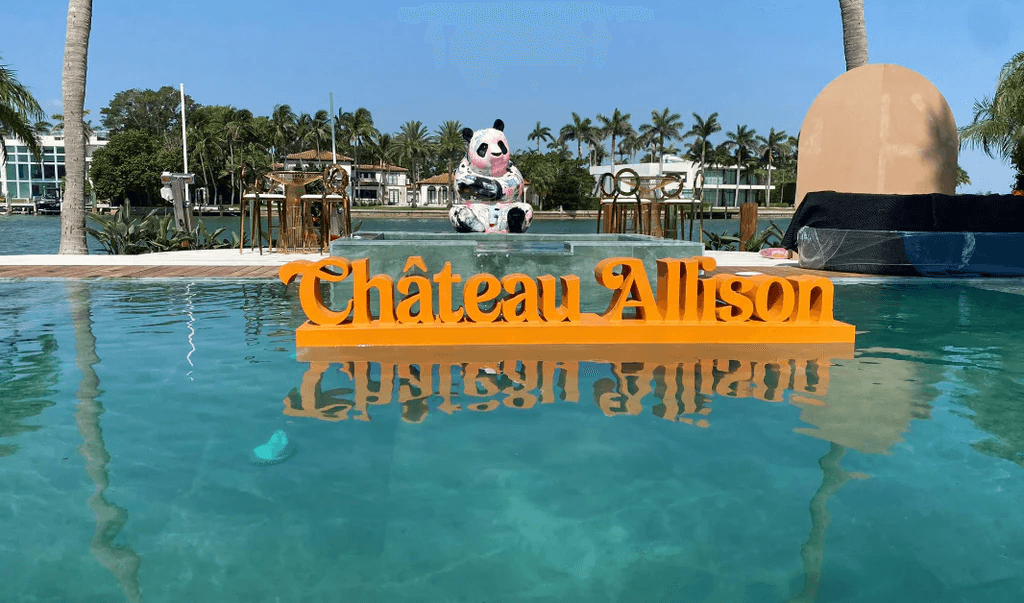
EPS Foam: Lightweight, Moldable, and Budget-Friendly EPS foam is made of pre-expanded polystyrene beads that have been fused together. It is light, moldable, and cost-effective. This makes a lightweight, closed-cell structure that is easy to shape and customize with CNC hot wire or hot knife tools. One of EPS’s best features is that it costs less than HDU and is great for big projects like big letters, props for events, and temporary installations.
The fact that EPS is light is also good for the environment. It uses less fuel for transportation and makes installation easier, which cuts down on labor, emissions, and equipment needs. A polyurea hard coat is the best way to finish EPS signs because it makes them stronger, more resistant to damage, and waterproof. EPS becomes very strong and can be used outside for a long time after being coated.
EPS is great for situations where there are a lot of shapes or they are big. You can make monument signs, foam sculptures, or 3D elements for trade shows quickly and cheaply. It can also be recycled, and clean EPS can be used again or sent back to the factory.
HDU Foam: Precision, Detail, and Longevity High-Density Urethane (HDU) is a synthetic urethane material with a uniform, fine-cell structure that lasts a long time. HDU is not made from beads like EPS. Instead, it is made from a continuous pour process, which gives it a smoother surface and more structural density. This makes it the best choice for jobs that need fine detail, engraving, or a painted finish that looks like wood, metal, or stone.
The density of HDU ranges from 10 to 30 pounds per cubic foot. Foams with a higher density are stiffer and better able to withstand the weather. It is easy to carve, route, and sand, and it takes paint and other coatings very well. Because HDU doesn’t soak up water, it’s a good choice for places with a lot of humidity or near the ocean.
HDU is more expensive than EPS, but its long life and high-quality finish make it perfect for permanent signs, especially when fine detail is important. People often use it for architectural signs, wayfinding systems, and decorative panels in schools, resorts, and government buildings.
Both EPS and HDU foam are great options for different projects. EPS is great for big and bold designs that stop traffic. HDU is great when you need detail, texture, and permanence. When deciding between the two, we often tell our clients at Royal Foam to think about the environment, how long they expect the product to last, and how complicated the design is.
Precision Cutting: CNC Technology in Foam Sign Fabrication
CNC (Computer Numerical Control) cutting technology is one of the most important things that has changed modern foam signage. We use CNC machines a lot at 3D Sign Factory to shape both EPS and HDU foam with amazing accuracy, consistency, and speed. We can turn digital designs into real-world signs that meet our clients’ exact needs with the help of CNC routers and hot-wire machines.
The first step is to load vector-based artwork or CAD files into the CNC system. After that, a computer tells the cutting tool where to go to carve the foam into letters, shapes, or 3D forms. This automation gets rid of the mistakes that can happen when cutting by hand, making sure that every piece is perfect to the millimeter.
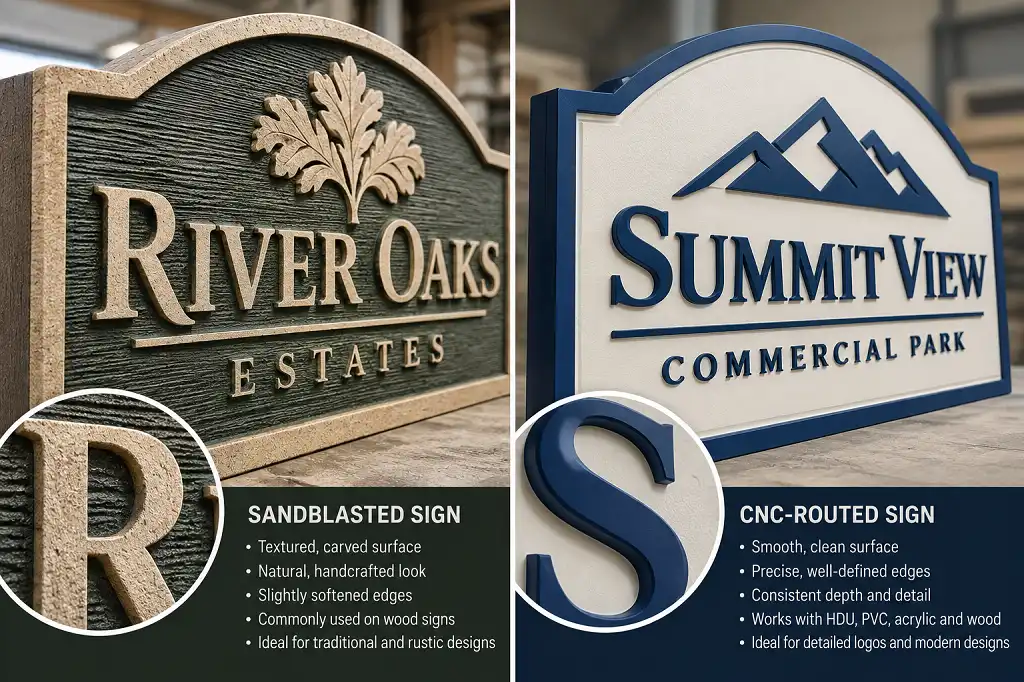
We mostly use hot-wire CNC cutters to cut EPS because they melt through the foam cleanly. This makes them great for big block letters and 3D shapes. CNC routers are used to engrave, route, and shape HDU, which is a denser material. This lets you make detailed finishes like rounded edges, inlays, or carved textures.
There are many benefits to CNC fabrication:
- Speed: Prototypes and orders for production are both turned around quickly.
- Precision: Each piece is cut to the exact size, which is great for complicated sign projects.
- Customization: It’s easy to make and use custom fonts, logos, and icons.
- Minimal Waste: Optimized tool paths cut down on material waste, which makes it more eco-friendly.
CNC technology has changed the way we make our creative ideas real. Our CNC machines let us make things with a lot of accuracy while keeping costs low and production times relatively short. This is true whether we’re making a complicated city logo or big letters for an outdoor mall.
CNC cutting basically turns foam from a simple block into a medium for sculptural storytelling. It’s where digital design and real-world execution come together, and it’s where every great foam sign starts.
Hard Coatings and Finishes: Turning Foam into Faux Stone, Wood, or Metal
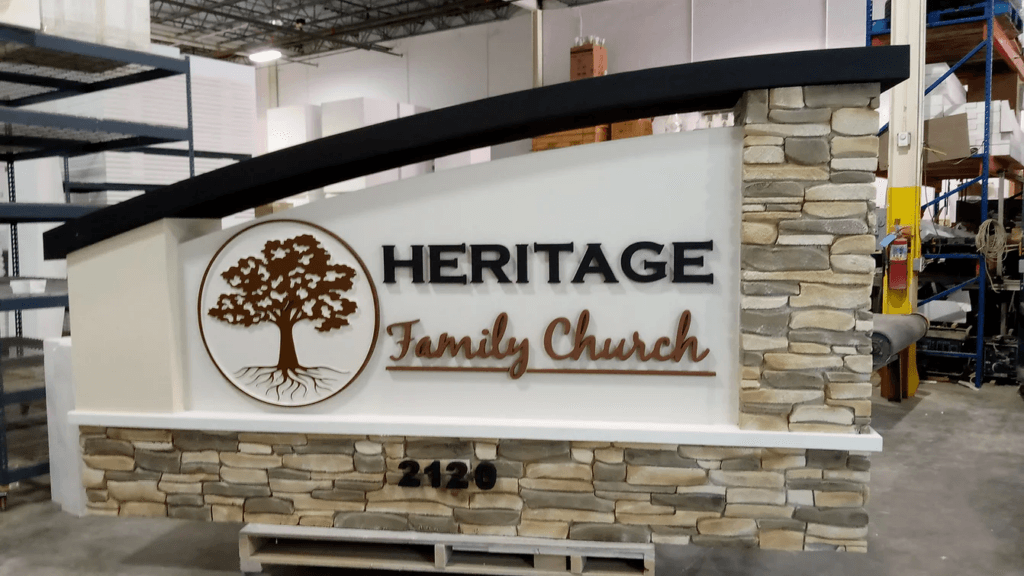
Without advanced coatings and finishes, it would be impossible to turn foam into high-quality signs. 3D Sign Factory uses the latest coating technologies, mostly polyurea, to turn EPS and HDU foam into beautiful and long-lasting signs that look like wood, stone, or metal.
Polyurea is an elastomer that you spray on and it hardens in seconds, making a rock-hard outer shell that sticks tightly to foam. It is great for outdoor or high-traffic areas because it is impact-resistant, UV-protected, and completely waterproof. Polyurea is VOC-free and safer for the environment than traditional solvent-based coatings. This fits with the goals of making signs that are good for the environment.
Finishes are added after coating to get the look you want. This includes paints that work well, faux finishes, metallic treatments, and sealants that keep out the weather. Skilled craftspeople can make things look like rusted steel, brushed aluminum, reclaimed wood, granite, or limestone with amazing realism, and they are much lighter and more affordable.
These coatings not only make the sign look better, but they also make it last longer. A properly coated EPS foam sign can last outside for more than 10 years without cracking, chipping, or fading from rain, snow, or sun. The lightweight foam core and strong outer coating make our signs perfect for schools, hotels, cities, and event venues that want something that looks good and lasts a long time.
There is both science and art in the coating process. To make sure the best adhesion and durability, technicians must keep an eye on the temperature, humidity, and curing times. This level of care makes sure that every 3D Sign Factory sign is not only a work of art, but also a functional product that will last.
The Science of Color and Visibility in Dimensional Lettering
Color and visibility are two of the most important things that make foam signs work, and both of them are based on science. We don’t just pick pretty colors at 3D Sign Factory. We use color theory, how people see things, and environmental psychology to make sure that every sign leaves a lasting impression.
Color Contrast and Readability: Signs must be easy to read from a distance, in different lighting conditions, and against a variety of backgrounds. That’s why we stress contrast. It is much easier to read text that is light on a dark background or dark on a light background. EPS and HDU foam look great with both light and dark finishes, giving designers complete freedom to adjust contrast ratios for the best readability.
The coating and texture of foam letters affect how light interacts with them. Matte finishes cut down on glare in bright sunlight, while gloss or metallic finishes can make things shine more in artificial light. Polyurea coatings let these custom finishes stick together perfectly, giving signs the visual impact they need to stand out in busy places.
Color Psychology in Branding Color is one of the quickest ways to get people to feel something. 85% of people say that color is the main reason they buy a product, according to research. This means that foam letters in certain colors can help people remember a brand and make them feel the way you want them to, like trust (blue), excitement (red), or creativity (purple).
Adaptability Across Environments Foam signs can be made in almost any color and finish, so they can be changed to fit different places. Foam can be made to fit in with a rustic setting with fake wood tones or stand out with bright primary colors in a store. This means it will meet the design brief.
UV-Resistant Coatings for Color Longevity: Sunlight can fade poorly done signs in just a few months. Our coatings that resist UV rays keep colors from fading, so they stay bright and true for years, even outside. This is very important for brand logos, wayfinding systems, and monument signs that need to last a long time.
In short, the science of color in foam signs is not just about how they look. It’s about making smart decisions that use psychology, physics, and the environment to make your brand stand out, be clear, and have the most impact.
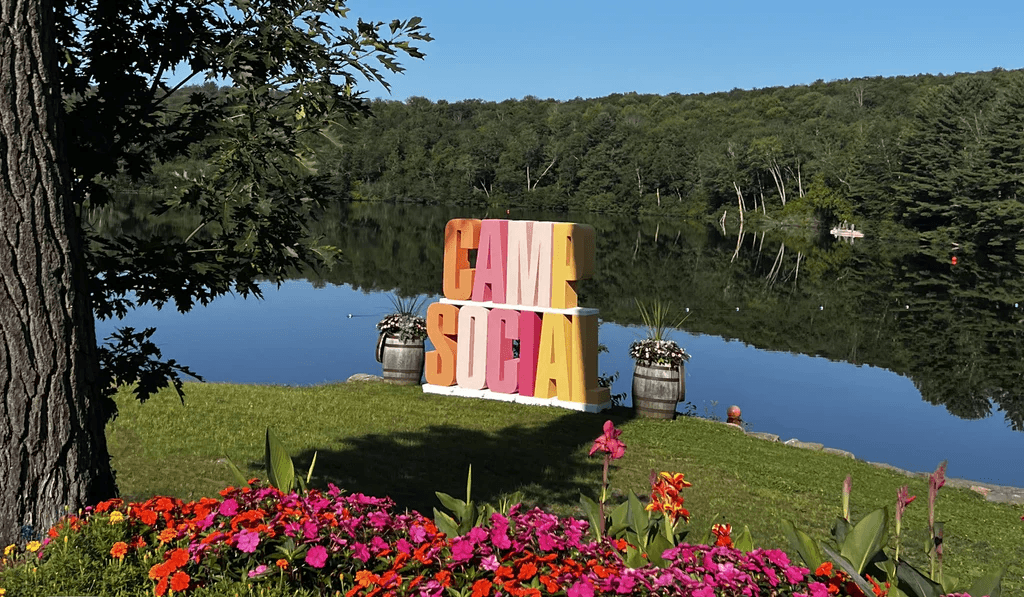
Eco-Friendly Signage: How Foam Helps Reduce Carbon Footprint
EPS and HDU are both better for the environment than traditional materials like wood, stone, or metal.
Benefits for the environment:
- Foam is light, which cuts down on emissions from transportation.
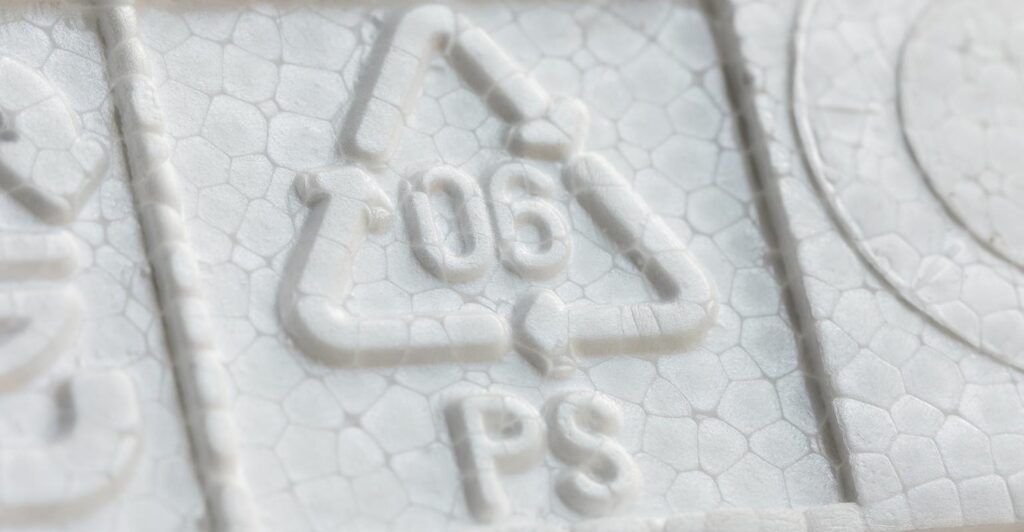
- EPS can be recycled 100% of the time and is often made from recycled materials.
- The coatings and finishes don’t have any solvents or VOCs.
- Less energy is used for cutting, coating, and curing
Our foam signs are also made to last longer, which means you won’t have to replace them as often and there will be less waste over time.
Applications of Dimensional Foam Lettering
Dimensional foam lettering is not just for one type of sign; it can be used in a lot of different industries and settings. Here are some of the most common and important uses:
- Branding for Stores and Retail: Foam letters make store and retail signs look more interesting right away. It’s great for putting brand names, taglines, or promotional phrases on walls, doors, or hanging displays.
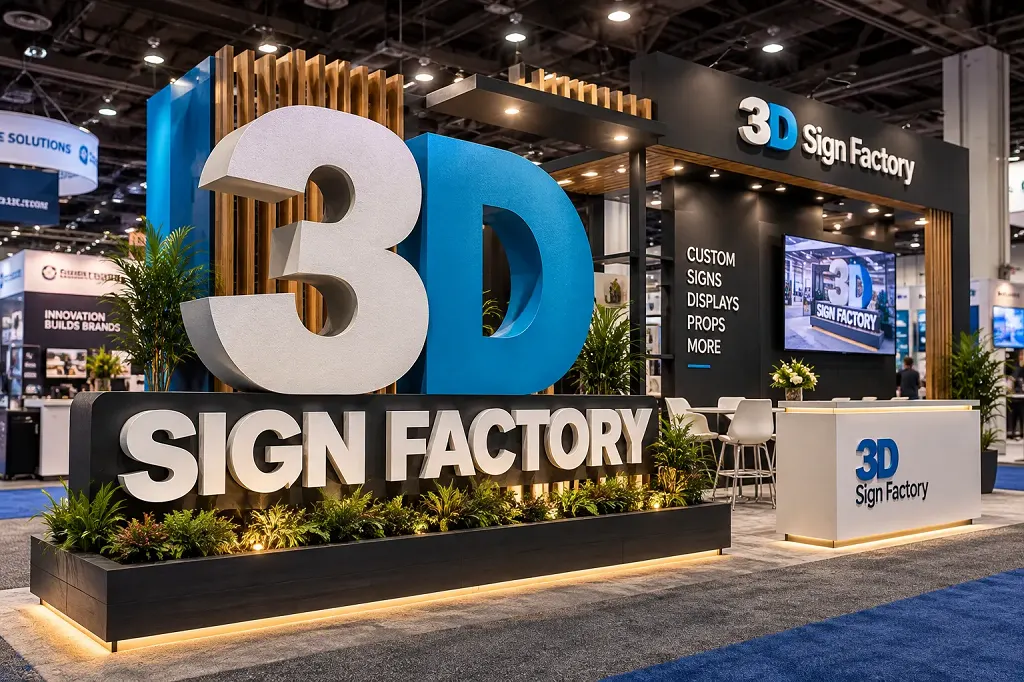
- Event and Trade Show Displays: Dimensional foam letters are great for trade show booths, corporate events, pop-up experiences, and red carpet backdrops because they are portable, light, and easy to set up. Their bright colors make sure your message stands out in a crowded place.
- Monument and Pylon Signs: Faux-finished foam letters are often used in monument signs for shopping centers, civic buildings, and HOAs. It looks like stone or metal, but it’s less costly and better for the environment.
- Corporate Office Interiors: Use foam letters to make lobby signs, mission statements, and directional signs that look polished and professional. The material is light and easy to install, and it is safe to use indoors.
- Educational and Healthcare Facilities: Foam letters for wayfinding, department identification, and donor recognition signs are durable and can be customized for institutions that care about both looks and accessibility.
- Props for Movies and TV Shows: Foam letters can be turned into props, title treatments, and big environmental graphics for use on stage or screen. It is a favorite in the industry because it is easy to change and has a good weight-to-strength ratio.
- Temporary and Seasonal Installations: Foam lettering is a great way to promote seasonal events, decorate for the holidays, or change up brand messages. You can easily reuse it or give it a new coat of paint or finish.
Dimensional foam lettering is a flexible, creative, and eco-friendly way to meet the needs of modern sign design, whether the goal is function, style, or sustainability.
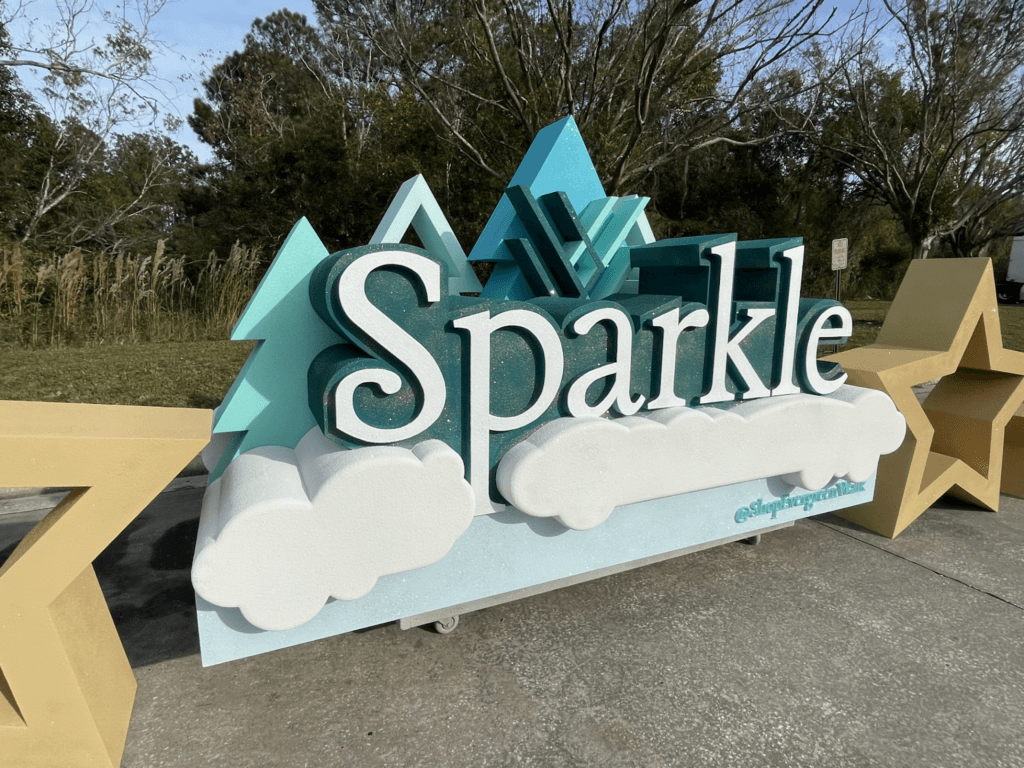
Installation Engineering: Mounting & Durability Considerations
There is a carefully designed mounting solution behind the sleek look of every foam sign. We think about:
- Wind load and exposure to the weather
- Mounting surface (brick, drywall, concrete, etc.)
- Depth and weight distribution of letters
We use a mix of adhesives, threaded rods, cleats, and hidden supports to make sure your signs stay professional and safe for a long time.
The 3D Sign Factory Advantage
Royal Foam has years of experience and the best equipment in the business, so they are the best at designing, making, and putting up foam signs. We use art, science, and sustainability to give you
- Custom 3D signs that look great for your brand
- Materials and coatings that are good for the environment
- Expert craftsmanship supported by cutting-edge technology
- Quick turnaround times and solutions that can grow with big clients
In conclusion, the details hold the key to science.
Foam lettering and dimensional signs that look easy at first glance are actually very complicated. Making them requires a lot of knowledge about materials science, visual design, fabrication engineering, and being responsible for the environment.
We don’t just make signs at 3D Sign Factory; we also design impressions that last. Our team can help you take your message to the next level in 3D, whether you’re starting a new brand, showing people around, or making an experience that will stick with them.
Frequently Asked Questions
What is the primary difference between EPS and HDU foam in dimensional signage?
EPS foam is ultra-lightweight and budget-friendly, making it ideal for massive 3D letters, event props, and large-scale monument signs. HDU foam features a denser, uniform cell structure that does not absorb moisture, making it the superior choice for intricate CNC engraving, fine details, and permanent architectural installations.
How do lightweight foam signs achieve the realistic appearance of heavy stone, wood, or metal?
The transformation relies on advanced coating technologies, starting with a spray-on polyurea elastomer that hardens into a rock-hard outer shell. Skilled craftspeople then apply specialized paints, metallic treatments, and textured finishes over this durable surface to convincingly replicate premium traditional materials.
Are dimensional foam signs durable enough for outdoor use in extreme weather?
Yes, when protected by a seamless polyurea hard coat and UV-resistant sealants, foam signage becomes fully waterproof and impact-resistant. Unlike traditional materials, it will not rot like wood, rust like metal, or warp due to severe outdoor temperature fluctuations.
Why is dimensional lettering more effective for branding than flat signs?
The physical depth of 3D lettering creates a dynamic interplay of highlights and shadows that dramatically improves visibility and readability from multiple angles. Furthermore, marketing psychology shows that consumers naturally associate the tangibility of three-dimensional signs with trust, authority, and premium quality.
What advantages does CNC technology bring to the fabrication process?
CNC routers and hot-wire machines read digital vector files to carve and shape foam with millimeter precision, eliminating human error entirely. This advanced automation ensures perfect symmetry across high-volume production while simultaneously reducing material waste and accelerating turnaround times.
How are large dimensional foam letters safely and securely installed?
Installation engineering uses a strategic combination of industrial adhesives, threaded rods, cleats, and hidden internal supports tailored to the specific mounting surface and local wind loads. Because the foam core remains incredibly lightweight despite its large size, it requires far less heavy structural reinforcement than stone or metal signage.

Read more

The Importance of Hard Coating in Outdoor Signage: How Polyurea Coating Transforms Foam Structures into Durable Signage
The Art of Imitation: How Faux Finishes Transform EPS Foam Into Stone, Metal & Wood

Beyond Traditional Materials: Why HDU Foam Is Replacing Wood and Stone in High-End Signage
Eco-Friendly Signage Solutions: Is HDU & EPS Foam the Sustainable Choice?

Why Lightweight Foam Monument Signs Are Ideal for Large-Scale Signage

The Importance of Proper Installation for Monument Signs

Foam vs. Metal Signs: Cost, Durability, and Aesthetic Considerations

The Importance of Proper Installation for Monument Signs

From One-Time WOW to Multi-Tour ROI

You’re Met by Your Looks, Welcomed by Your Substance
Recommended Articles
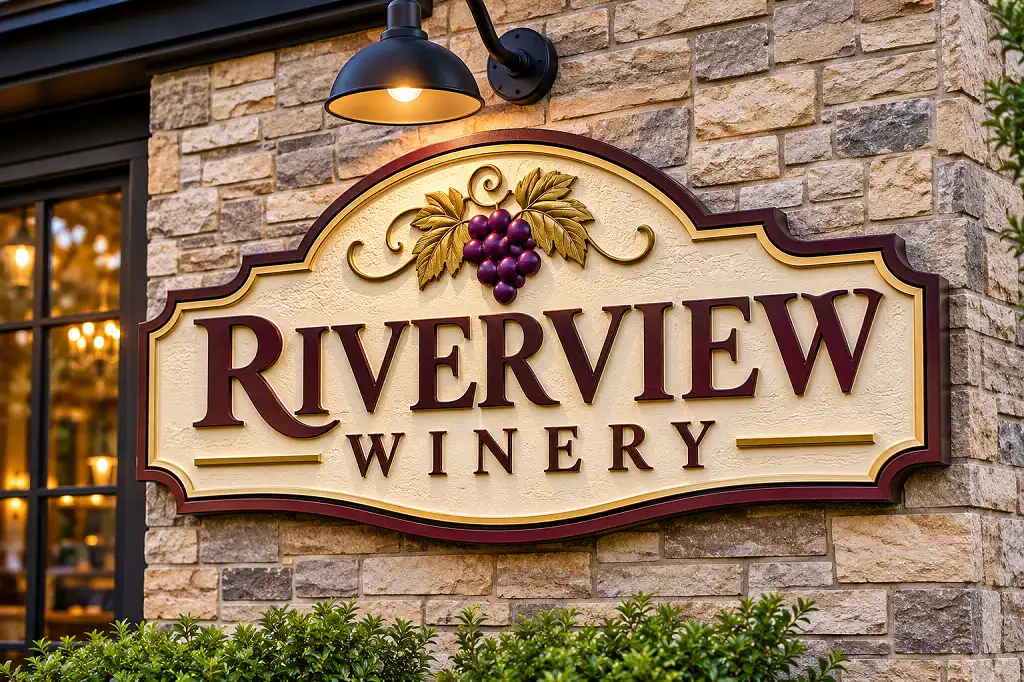
HDU Signs: What High-Density Urethane Foam Is and Why It’s a Premium Sign Choice
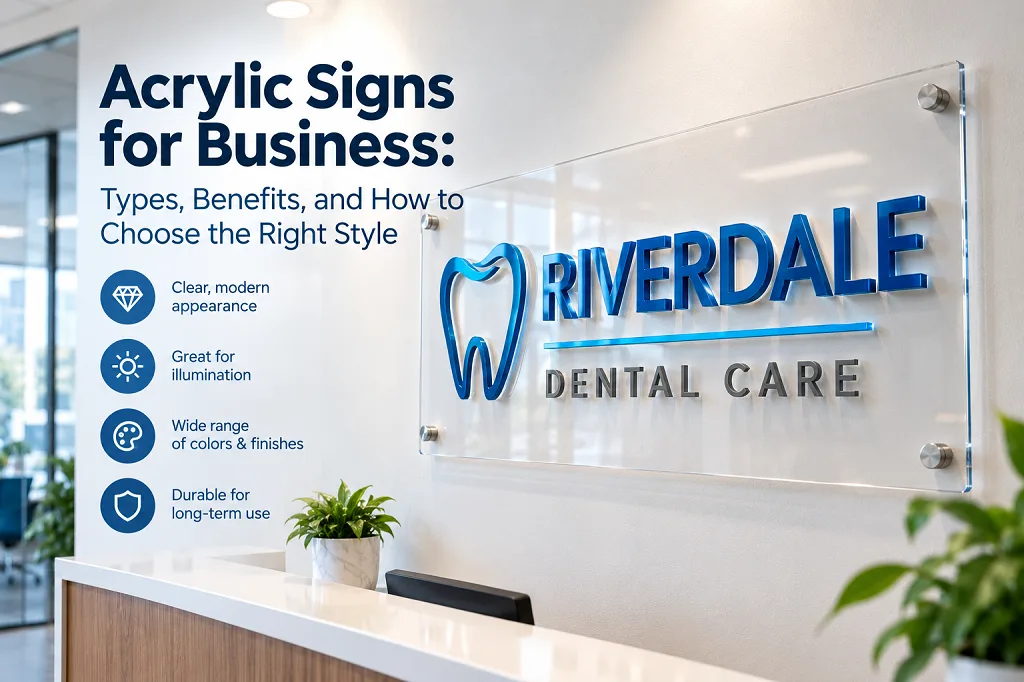
Acrylic Signs for Business: Types, Benefits, and How to Choose the Right Style
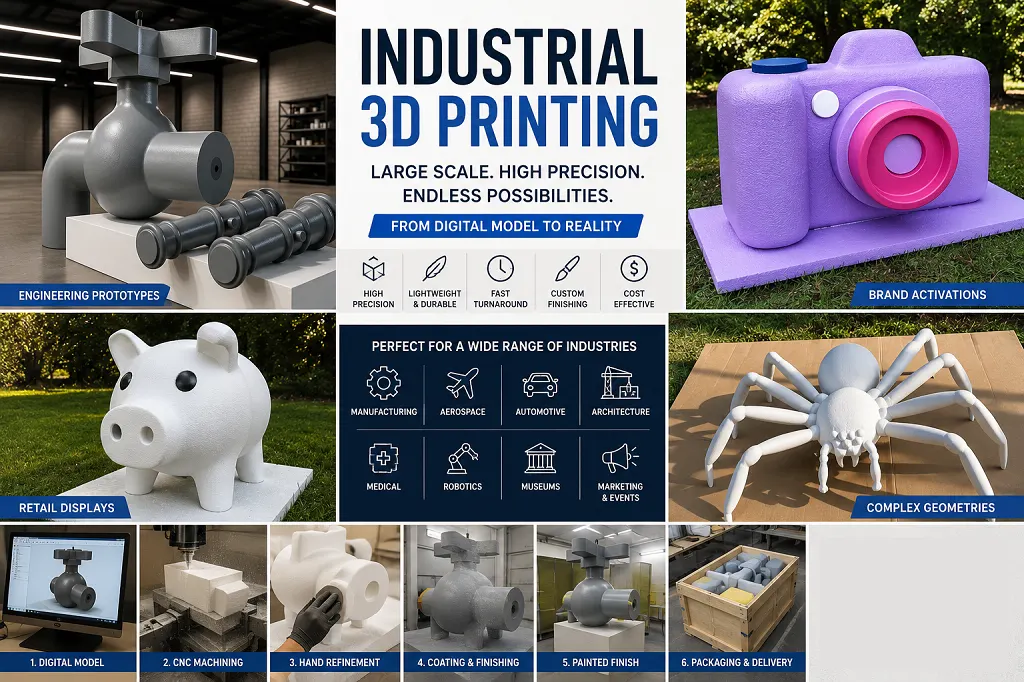
Industrial 3D Printing: Large-Scale Foam Prototypes, Models & Manufacturing Solutions
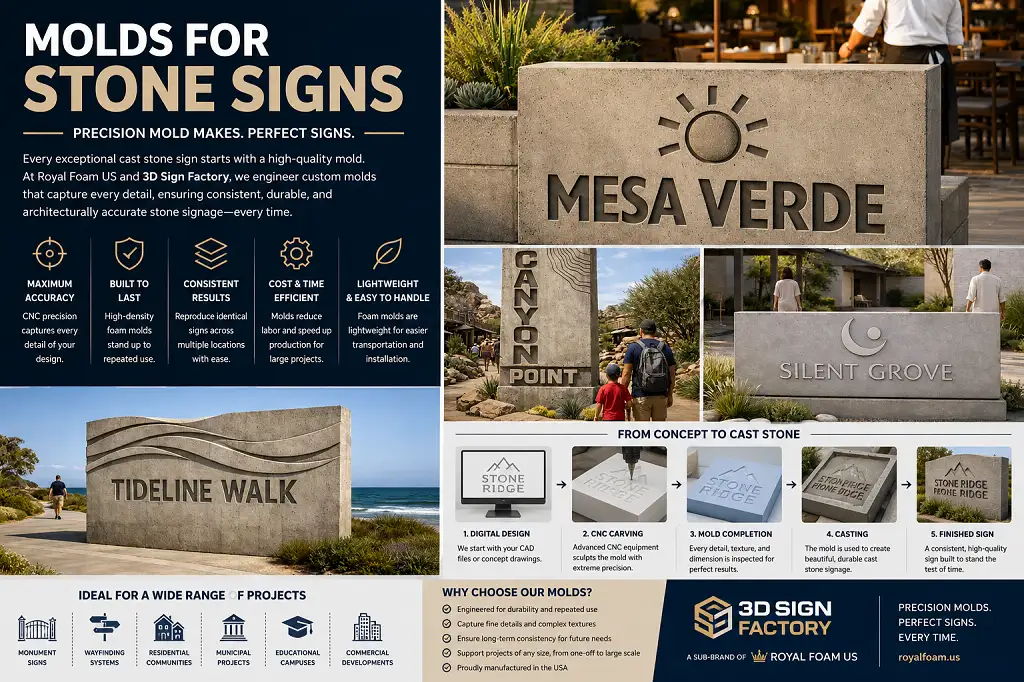
Molds for Stone Signs: The Foundation Behind Consistent Architectural Signage
Beyond the Booth: How Custom 3D Displays Make Brands Stand Out at Expos and Events
Sandblasted vs. Routed Signs: Which Is Right for Your Project?
Our customer reviews
Read more reviewsRead more reviews