 By Oleg Ort ·
Blade Signs and Projecting Signs: Getting Your Storefront Seen by People Walking Past
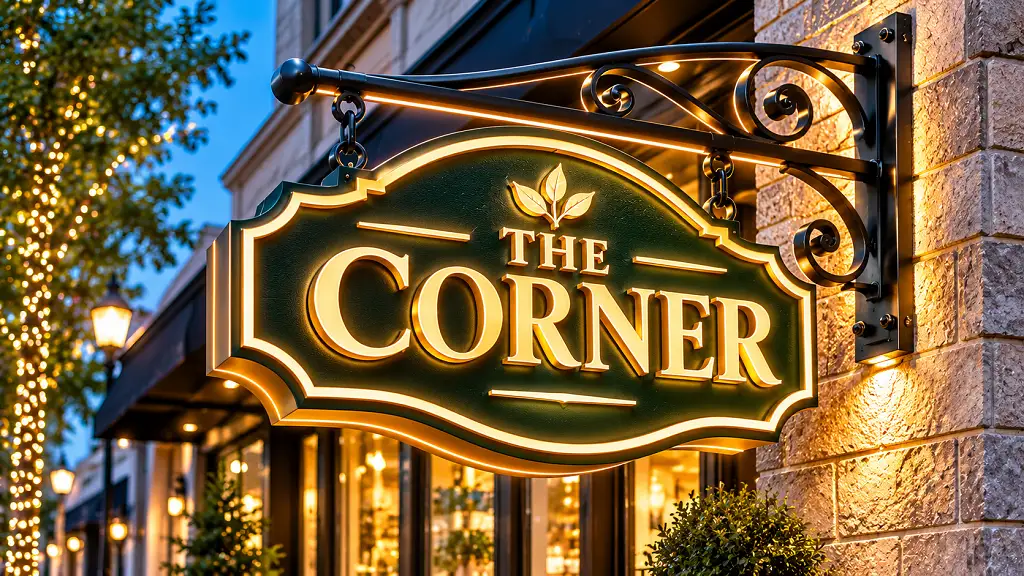
Walk down a busy downtown block and look at where your eyes go. They don’t go to the signs flat on the building, because those only face the street. They go to the small ones sticking out at right angles, the ones you can read from half a block away as you walk. A blade sign is exactly that: a sign hung from a bracket, seen from both directions along the sidewalk. For shops, restaurants, and salons, a projecting sign is often the cheapest way to get noticed by people who are already walking toward the door.
Shapes, Styles, and Mounting Options
The category is wide. A classic blade sign hangs from a decorative iron bracket, swaying slightly, with a printed or carved face. A flag-mounted sign attaches to the wall on one edge and sticks out rigidly. A bracket sign for business is the generic term for any sign hung from an arm. Shapes range from simple rectangles to custom outlines, such as a coffee cup for a cafe, a key for a locksmith, or a fork for a restaurant.
Faces can be flat or dimensional. Flat faces, with painted or printed graphics, are the budget choice. Raised letters carved from foam or cut from metal add depth and catch the light. Both sides should carry the message, so a hanging storefront sign is readable from either direction. A double sided hanging sign is built with two faces back to back, sometimes with a core in between for strength.
Hardware shapes the character. Scrolled wrought iron suits historic districts and traditional shops. Sleek steel arms fit modern storefronts. Wooden brackets work for rustic or craft-oriented businesses. Whatever you choose, the bracket must be strong enough to hold the sign and any additional load from wind or ice.
Lighting is optional but valuable. A small gooseneck lamp above the sign, or LEDs along the edges, extends visibility after dark. Make sure fixtures are rated for outdoor use and wired by a licensed electrician.
Visibility depends on the angle. A blade sign is seen in profile by drivers and head-on by pedestrians walking along the sidewalk, so the face should be built to read from about forty-five degrees on either side. Large, simple shapes and high contrast do the work. Symbols beat words in a glance, so a bold icon with a short name underneath often works better than a long paragraph. Test the idea by holding a printout at arm’s length and moving it side to side.
Neighbors matter, too. If the shops next door already have projecting signs, aim for a consistent height and spacing so the street looks organized. If you’re the first on the block, you may have an opportunity to set the style.
Materials Compared: Foam, Metal, Wood, and PVC
Wood is traditional and warm. A carved cedar sign looks beautiful, but it needs regular maintenance, and its weight puts strain on the bracket and wall. Metal signs, in aluminum or steel, are sturdy and thin, with crisp edges. They can bend in wind if the panel is too large, and they sometimes produce noise when swinging.
PVC and acrylic faces are light and weather-resistant. They take printed graphics well and cut into custom shapes. High-density foam, coated and painted, allows detailed carving and layered effects at low weight. A foam face on a metal core, for instance, gives a rich, three-dimensional look without stressing the wall.
Weight matters for safety. A heavy sign swinging above a sidewalk is a liability, so lighter materials reduce risk. Most municipalities specify the maximum weight and require proper anchoring. The lighter the sign, the smaller the bracket needs to be, and the simpler the installation becomes.
Think about durability too. Strong sun fades printed graphics, so use UV-stable inks or paint. Salt air near the coast corrodes cheap hardware, so choose stainless steel or powder-coated aluminum. Cold climates need materials that don’t crack in freezing temperatures. Ask the shop about the finish and warranty for your location.
Hardware choices have a big impact on the final look. A decorative scroll bracket suits a historic street, while a plain steel arm with a clean weld suits a modern shop. The bracket should be at least as strong as it looks, with a safety factor for wind and ice. A hanging storefront sign usually dangles from two hooks or chains under the arm, and the hooks must be closed or locked so the sign can’t fall out in a storm.
Add a stabilizer if the sign moves too much. A short chain from the bottom corner to the wall holds it still in strong wind. Keep the hardware simple, rust-resistant, and easy to inspect from a ladder.
Sizing, Placement, and Installation
Size depends on the street. For a busy pedestrian sidewalk, a sign between eighteen and thirty inches in each direction is common. It should be large enough to read from a distance of fifty to one hundred feet but not so large that it blocks the view of neighboring signs. Walk the block and look at the existing signs for a sense of scale.
Placement is a legal and practical matter. Most codes require a clear height of at least eight feet from the sidewalk to the bottom of the sign, so pedestrians don’t bump their heads. The projection from the wall is often limited to three or four feet. Position the sign near the entrance and at a height where it’s visible over parked cars and street furniture.
Check the building wall. Brick, stone, and concrete hold anchors well. Wood framing needs lag screws into studs or blocking. Stucco and EIFS may need through-bolts to the structure. Never rely on the exterior finish alone for support. If you’re unsure, ask a contractor or engineer to review the plans.
Permits are usually required. Submit a drawing showing size, projection, height, materials, and mounting. Some cities restrict projecting signs in historic districts or require approval from a design review board. Allow time, since approval can take weeks. Once you have the permit, schedule installation with a lift or a ladder, and use the right anchors for your wall.
Double-faced construction takes care. A double sided hanging sign is made of two panels with a spacer or a core, so the thickness looks neat and the edges are finished. The edge can be painted, wrapped in metal, or trimmed with molding. Check that both faces are mirror images, with the art oriented so text reads correctly from either side. Mistakes happen when one side is mounted backward, and it’s embarrassing to see it after installation.
Ask the maker about drainage and ventilation. Moisture can collect inside a hollow sign, so small drain holes at the bottom prevent water from pooling. Foam-core panels avoid this problem because there’s no hollow space.
Limits, Upkeep, and Common Mistakes
A projecting sign isn’t right for every location. If your storefront sits behind a deep arcade, a bracket sign may be hidden. If the building has no clear wall space near the entrance, a window sign or awning might do better. Some neighborhoods prohibit projecting signs altogether, so check the code.
Wind is the biggest enemy. A large, flat panel catches gusts and puts heavy stress on the bracket. Add a safety chain or a second attachment point, and avoid large solid shapes in windy areas. Perforated or cut-out shapes let wind pass through. Inspect the hardware yearly for rust, loose bolts, and cracked welds.
Common mistakes include small lettering, too much text, and poor contrast. Remember that people see a hanging sign from the side and at an angle. Use a simple name, a clear symbol, and large letters. Color matters too. Light letters on a dark background read well in shade, while dark letters on a light background read best in sun.
Maintenance is light. Wash the face with mild soap and water, wipe the bracket, and touch up paint as needed. Check the chain or hooks at the swing points for wear. Replace the sign if the face fades or cracks. With a little attention, a well-made sign will serve for many years and keep bringing customers to your door.
Plan for upkeep from the start. Hang the sign at a height you can reach with a ladder, and keep access clear. Inspect the bracket, welds, and fasteners once a year, and replace anything that shows rust. A bracket sign for business should be re-checked after strong storms, since wind loads can loosen bolts over time. Wash the faces, and touch up chips. If you rebrand, ask the shop to make a new face that fits the existing bracket, which saves the cost of new hardware and a new permit in some cities.
Finally, think about the street at night. If the sign isn’t lit, nearby streetlights and shop windows can still make it visible. A discreet gooseneck lamp or a slim LED strip can add visibility and charm, and a warm glow on the face makes a block feel welcoming.
Coordinate with the neighbors and the landlord before ordering. In shared buildings, the lease may specify where signs can hang and what they can look like. A quick conversation can save a redesign. If another tenant already has a projecting sign on the same wall, leave at least several feet between them so each remains readable. Taking photographs of the wall from the sidewalk at the height of a person’s eyes helps the maker draw a realistic mockup.
Budget for the permit, the bracket, the sign, and the installation lift. Quotes that cover only the sign face can leave you with surprise costs. Ask what’s included, how long the work will take, and whether the maker coordinates with the installer. A well-run project goes smoothly, and the sign is ready before your grand opening.
For restaurants and cafes, a seasonal touch can keep a hanging sign fresh without rebuilding it. A small hanging add-on panel with the daily special, a wreath at the holidays, or a swappable icon keeps regulars curious. Make sure any add-on stays within the permitted size and weight, and attach it with hardware that won’t damage the main face. Small changes like these cost little and give the street a reason to look up.
For professional offices, a quieter approach works better. A slim sign in a classic typeface, with a muted color and a polished bracket, signals trust without shouting. The sign should still read at a glance, but the tone can be calm. Pair it with matching lettering on the door so the brand feels consistent from the sidewalk to the front desk.
3dsignfactory.com makes custom dimensional signs in acrylic, PVC, foam, and metal, along with oversized letters and logos for businesses across the US. Request a quote with your storefront photo, the wall material, and your local sign rules, and the team can suggest a size, a face material, and a bracket.
Frequently Asked Questions
How far can a projecting sign extend from the wall?
Local codes often cap the projection at around three to four feet, so confirm the number with the city before ordering.
What size is common for a blade sign?
Many fall between eighteen and thirty inches in each direction, scaled to the storefront and the speed of foot traffic.
Does a hanging sign need an engineer’s review?
Larger or heavier signs may. The bracket and wall anchors must carry the load, and many jurisdictions ask for a drawing with the permit.

Read more

The Importance of Hard Coating in Outdoor Signage: How Polyurea Coating Transforms Foam Structures into Durable Signage
The Art of Imitation: How Faux Finishes Transform EPS Foam Into Stone, Metal & Wood

Beyond Traditional Materials: Why HDU Foam Is Replacing Wood and Stone in High-End Signage

The Hidden Science Behind High-Quality Foam Lettering & Dimensional Signage
Eco-Friendly Signage Solutions: Is HDU & EPS Foam the Sustainable Choice?

Why Lightweight Foam Monument Signs Are Ideal for Large-Scale Signage

The Importance of Proper Installation for Monument Signs

Foam vs. Metal Signs: Cost, Durability, and Aesthetic Considerations

The Importance of Proper Installation for Monument Signs

From One-Time WOW to Multi-Tour ROI
Recommended Articles

Holiday Storefront Displays: Dimensional Signs and 3D Props That Drive Winter Foot Traffic
3D Logo Signs for Lobbies and Offices: Choosing Material, Thickness, and Mounting
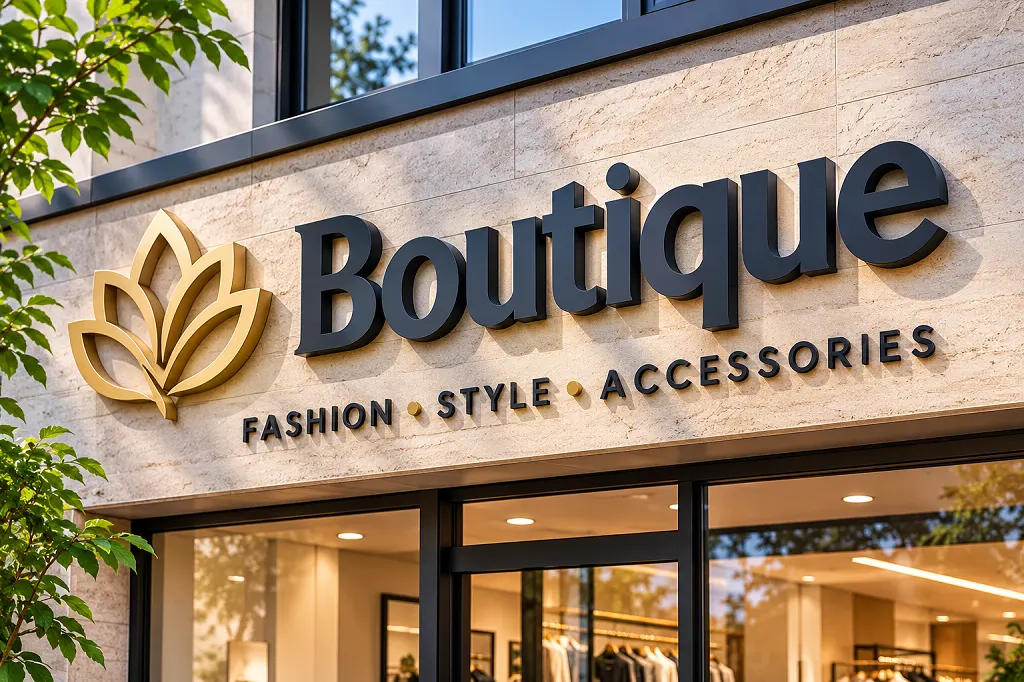
PVC Letters and Logos for Business Signage: Durable, Lightweight, and Fully Customizable
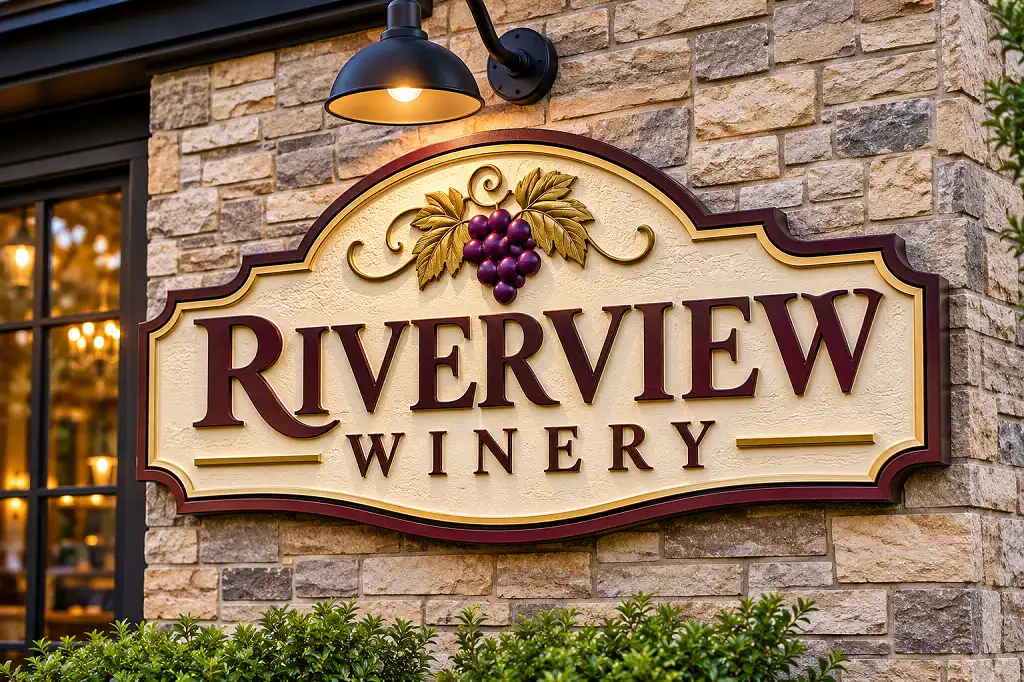
HDU Signs: What High-Density Urethane Foam Is and Why It’s a Premium Sign Choice
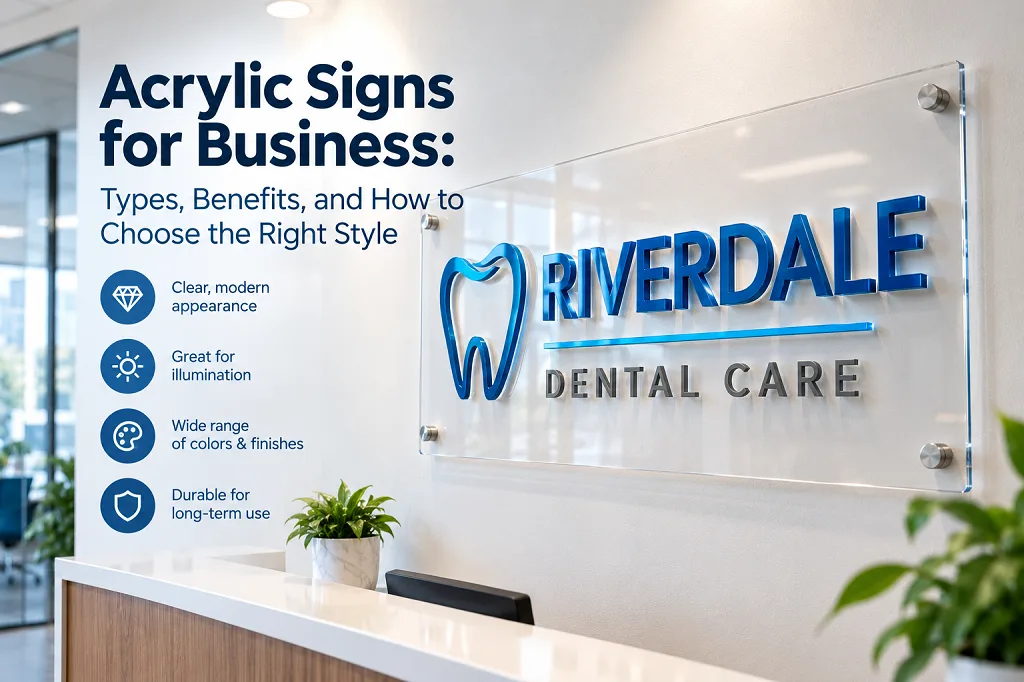
Acrylic Signs for Business: Types, Benefits, and How to Choose the Right Style

Industrial 3D Printing: Large-Scale Foam Prototypes, Models & Manufacturing Solutions
Our customer reviews
Read more reviewsRead more reviews