Sandblasted vs Routed Signs – Materials, Durability, Design Differences, and Best Use Cases
Picture this: you’re opening a new brewery, and you want a sign above the entrance that looks like it belongs there permanently. Not a printed banner, not a vinyl wrap – something with real depth and character. You start researching and quickly land on two options: sandblasted signs and routed signs. Both involve carving into a surface. Both can look stunning. But they work differently, they suit different materials, and choosing the wrong one for your project can mean spending more money to get less of what you actually wanted.
This article breaks down exactly how each method works, what materials perform best with each, how they hold up over time, and which situations call for which approach.

How Each Process Actually Works
Sandblasting and routing are both methods of removing material to create depth and texture, but the mechanics behind them couldn’t be more different.
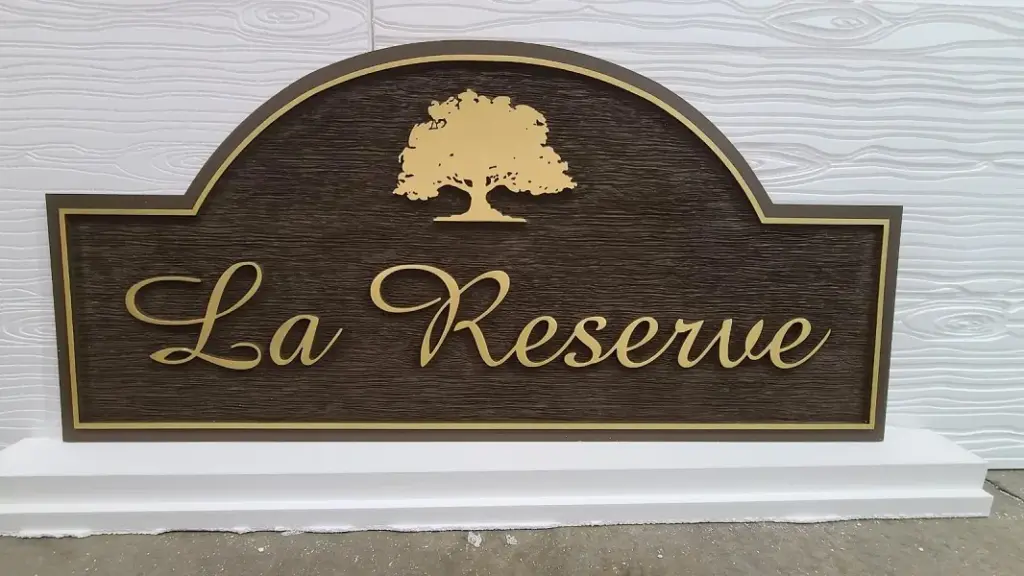
Sandblasting uses compressed air to propel abrasive media – typically aluminum oxide or silicon carbide – at high velocity against a surface. The sign maker applies a thick rubber or vinyl stencil over the substrate first, which protects the areas that should stay raised. The exposed areas get blasted away, creating recessed backgrounds and raised lettering or imagery. The longer the blasting continues, the deeper the carve. A shallow pass creates subtle texture. An extended blast on soft wood like cedar or redwood can produce dramatic, almost sculptural relief with 1/2 inch or more of depth difference between the raised and recessed sections.
Routing uses a CNC (computer numerical control) machine that drives a spinning bit across the surface of the material in precise programmed paths. The bit physically cuts and removes material, carving out letters, logos, borders, and design elements with mechanical accuracy. CNC routing can achieve tolerances within a few thousandths of an inch, which matters enormously when you’re carving fine serif fonts, detailed logos, or intricate geometric patterns. The machine follows a digital file, so every cut is repeatable and consistent.
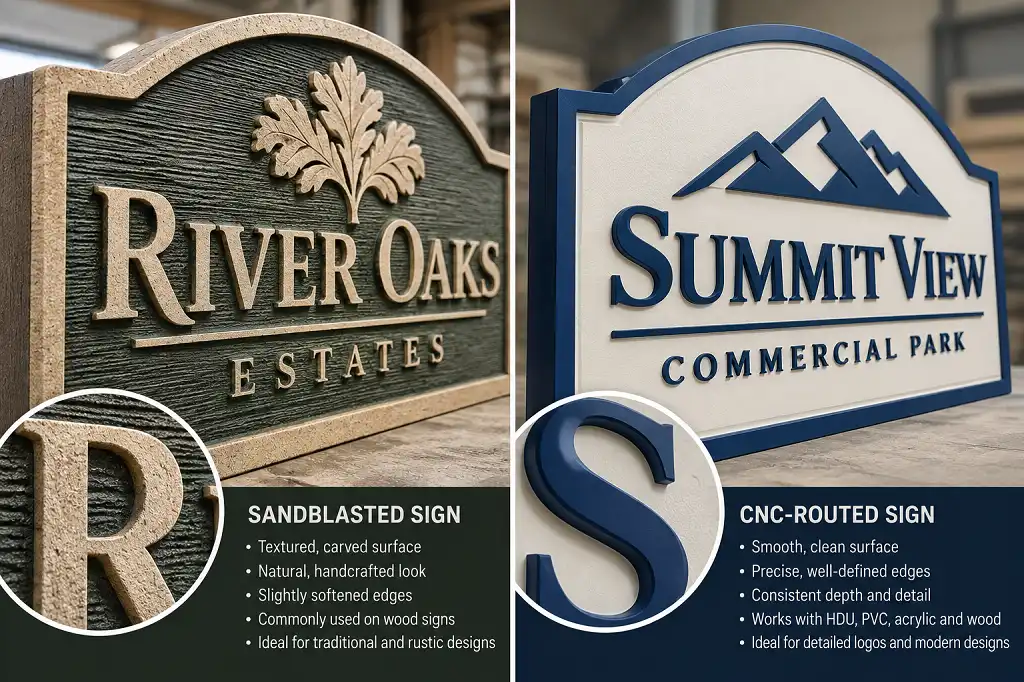
The surface texture each method produces is fundamentally different. Sandblasting creates an organic, slightly rough, weathered look in the recessed areas – because the abrasive hits at angles and creates micro-pitting across the surface. Routing creates clean, smooth-walled cuts with sharp edges. That difference in texture is really the starting point for deciding which method fits your project. If you want something that looks handcrafted and rustic, sandblasting tends to deliver that naturally. If you want crisp precision – sharp corners, clean lines, a modern or corporate aesthetic – routing is the more reliable path.
Some shops combine both techniques on the same sign, sandblasting the background for texture while routing specific elements for sharpness. That’s not unusual for high-end architectural carved signs where the design calls for multiple visual layers.
Materials: What Works, What Doesn’t, and Why It Matters
The material you choose affects everything – how the sign looks, how long it lasts, how much it costs, and which carving method is even viable.
Cedar and redwood are the traditional choices for sandblasted signage. Both are softwoods with a pronounced grain structure, and that grain actually works in your favor during sandblasting. The soft early wood between the growth rings blasts away faster than the harder late wood, which creates natural, organic relief that follows the wood’s own structure. That’s what gives sandblasted wood signs their distinctive look. HDU (high-density urethane) foam has largely replaced natural wood for many sign applications, though. It’s dimensionally stable, doesn’t shrink or crack with seasonal moisture changes, and accepts sandblasting extremely well. You can get very deep, dramatic carves in HDU without the risk of splitting that comes with real wood.
For routed signs, HDU is also excellent – it cuts cleanly, holds fine detail, and doesn’t stress the router bits the way hardwood does. PVC board, often sold under brand names like Sintra or Celtec, is another common routing substrate. It’s waterproof, lightweight, and takes paint well. Aluminum and other metals can be CNC routed too, though that requires different tooling and feeds/speeds. Routed aluminum signs are popular for dimensional letters and plaques because the material is weather-resistant without any coating required.
Natural wood is still used for routed signs, but there are trade-offs. Hardwoods like oak, maple, and walnut route beautifully and hold fine detail well. But they’re heavier, more expensive, and require proper sealing to survive exterior conditions. A routed oak sign that isn’t properly finished and maintained will eventually check, crack, and deteriorate – especially in climates with significant humidity swings.
Coatings matter as much as the base material. Most quality sandblasted and routed signs get primed, painted with exterior-grade enamel or latex, and then clear-coated. The recessed areas of a sandblasted sign are actually more vulnerable to moisture intrusion than the raised surfaces, so getting paint into every crevice is critical. Routed signs with deep, narrow channels face the same challenge – thin cuts can trap water if the paint film doesn’t fully seal them.
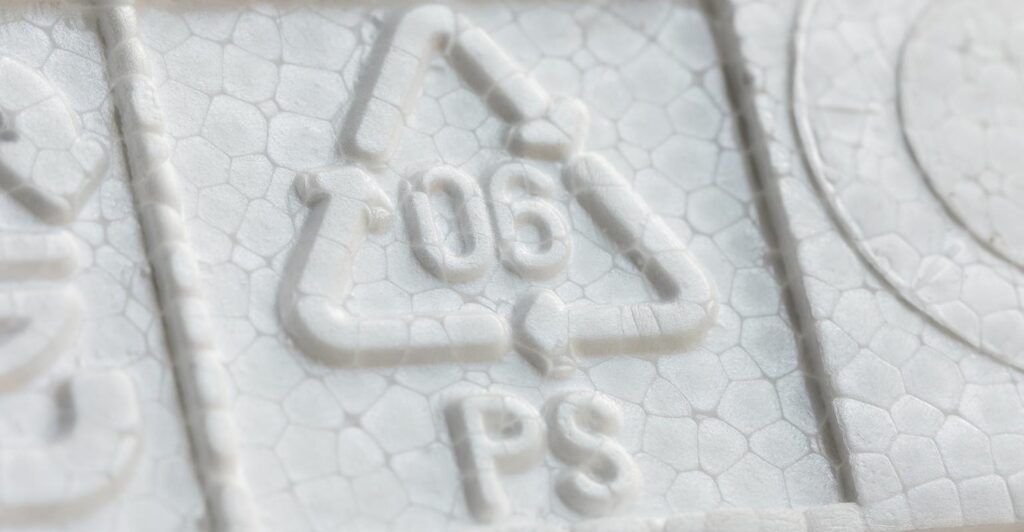
One material worth calling out specifically is EPS (expanded polystyrene) foam, which is different from HDU. EPS is the cheaper, beadboard-style foam. It can be shaped and carved, and some shops use it for foam carved signs on a budget, but it doesn’t hold detail as well as HDU and it’s more fragile. For anything meant to last, HDU is the better investment.
Durability: What to Expect Over Time and in Real Conditions
Both sandblasted and routed signs can last decades. But “can last” is doing a lot of work in that sentence, because durability depends heavily on material choice, coating quality, installation method, and the environment the sign lives in.
HDU foam signs – whether sandblasted or routed – are genuinely durable exterior products when properly finished. HDU doesn’t absorb water, doesn’t rot, and doesn’t react to temperature swings the way wood does. A well-made HDU sandblasted monument sign with quality paint and a UV-resistant clear coat should hold up for 15 to 20 years in most climates without major issues. The painted surfaces may need refreshing after 7 to 10 years depending on sun exposure, but the substrate itself stays stable.
Wood signs are a different story. Cedar and redwood are naturally rot-resistant, which is why they’ve been used for exterior signage for generations. But “naturally rot-resistant” isn’t the same as “maintenance-free.” A sandblasted cedar sign installed in a shaded, dry environment with good drainage and regular repainting can easily last 20 or 30 years. That same sign installed in a wet Pacific Northwest climate, mounted flush against a wall where moisture can’t escape from the back, might start showing problems in 5 to 7 years. The carving itself doesn’t fail – it’s the wood that deteriorates around it.
Routed signs with very fine, narrow channels can develop paint adhesion issues over time. The edges of routed cuts are smooth and sharp, which is visually clean but actually provides less mechanical grip for paint than the rougher texture of a sandblasted surface. Some sign painters apply a bonding primer specifically to the routed edges before topcoating. It’s a small step, but it makes a real difference in how long the finish lasts.
For sandblasted signage exterior applications – monument signs, entrance signs, building identification – the combination of HDU substrate, oil-based primer, exterior enamel, and UV clear coat is the standard for good reason. It’s proven, it’s durable, and it gives you predictable results. Routed business signs for exterior use follow the same finishing logic, with the added consideration that deep, narrow cuts need careful attention during painting to ensure full coverage.
UV exposure is the enemy of painted signs regardless of how they’re made. South-facing signs in high-sun regions will fade faster than north-facing ones. Dark colors absorb more heat and tend to chalk and fade faster than lighter colors. These aren’t flaws in the carving method – they’re just physics, and they apply equally to both sandblasted and routed signs.
Design Differences and Best Use Cases
This is where the choice between sandblasted and routed signs becomes most practical, because the two methods genuinely suit different design aesthetics and different applications.
Sandblasted signs excel at organic, textured, character-rich designs. The natural variation in the blasted surface gives them visual warmth that’s hard to replicate any other way. They’re the right choice for rustic businesses, craft breweries, wineries, lodges, national parks, campgrounds, resorts, and any context where the sign should feel like it grew out of its surroundings. Sandblasted wood carved signs in particular carry an authenticity that synthetic materials struggle to match. When you see a beautifully sandblasted redwood sign at a mountain lodge, it looks right because the material and the process both fit the place.
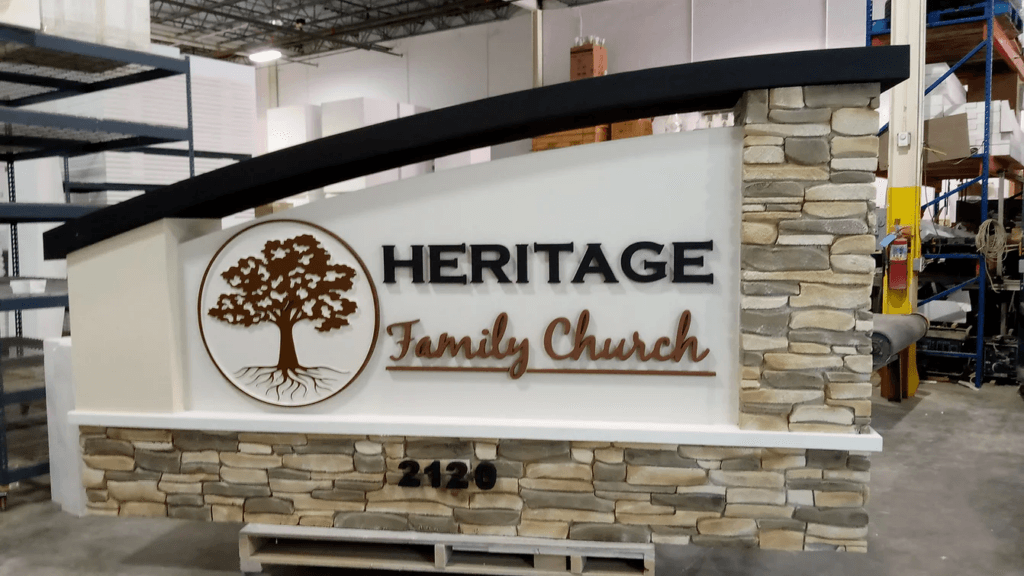
Sandblasted monument signs are common in residential communities, parks, and institutional settings where the sign needs to convey permanence and quality. The dimensional depth that sandblasting creates reads well from a distance, which matters for monument signs that people view from a moving vehicle. Bold lettering with 3/8 to 1/2 inch of relief stands out clearly even at 30 or 40 feet.
Routed signs are better suited to designs that require precision. Corporate logos with tight tolerances, fine serif type, intricate borders, and geometric patterns all favor routing over sandblasting. A routed logo sign for a law firm or financial institution needs clean, sharp edges – the kind of mechanical precision that communicates professionalism. Sandblasting that same design would soften the edges and introduce texture that might undermine the intended visual message.
Custom engraved signage for plaques, memorials, directories, and wayfinding systems almost always uses routing because the detail requirements are too fine for sandblasting to handle reliably. Architectural carved signs for commercial buildings often use routing for the same reason – when a sign needs to integrate with a building’s design language, precision matters.
3D carved signs can be achieved with either method, but they approach dimensionality differently. Sandblasted 3D signs build depth through layered blasting – multiple stencils, multiple passes, progressively deeper cuts in specific areas. Routed 3D signs can use the same layering approach, or they can carve actual three-dimensional profiles into the substrate. CNC routing can produce beveled edges, curved surfaces, and sculptural relief that sandblasting can’t replicate. For precision carved signs with complex three-dimensional geometry, routing gives you more control.
Budget is a real factor too. Sandblasted signs often cost less for simple, bold designs because the process is faster and the tooling (stencils and blast media) is relatively inexpensive. Routed signs may cost more for complex, detailed designs because of the programming time and machine time involved, but for very fine detail work, routing is actually more efficient than trying to cut stencils for sandblasting. The economics depend on the specific design.
FAQ
What are sandblasted signs?
Sandblasted signs are signs with textured, dimensional surfaces created by propelling abrasive media at high pressure against a masked substrate. The exposed areas get carved away, leaving raised lettering or imagery against a recessed, textured background. Common materials include cedar, redwood, and HDU foam.
What are routed signs?
Routed signs are carved using CNC machines that drive a spinning bit along programmed paths to cut precise letters, logos, and design elements into a substrate. The process delivers sharp, clean edges and can hold very fine detail. HDU, PVC board, wood, and metal are all commonly used materials.
Are carved signs durable?
Yes, particularly when made with modern materials like HDU foam and finished with quality exterior coatings. A properly made and finished carved sign can last 15 to 25 years outdoors. Natural wood signs can last just as long with proper maintenance, but they require more attention over time than HDU.
Which is better: sandblasted or routed signs?
Neither is universally better – they suit different purposes. Sandblasting produces organic texture and warmth that works well for rustic, natural, or traditional aesthetics. Routing delivers mechanical precision that suits corporate, modern, or detail-heavy designs. The right choice depends on your design, your material, and the visual impression you’re trying to make.
One Honest Takeaway
Don’t choose between sandblasted and routed signs based on which one sounds more impressive. Choose based on what your design actually needs. Texture and warmth? Sandblasting. Precision and clean lines? Routing. Get that part right first, and the material and finishing decisions follow naturally from there.

Read more

The Importance of Hard Coating in Outdoor Signage: How Polyurea Coating Transforms Foam Structures into Durable Signage
The Art of Imitation: How Faux Finishes Transform EPS Foam Into Stone, Metal & Wood

Beyond Traditional Materials: Why HDU Foam Is Replacing Wood and Stone in High-End Signage
The Hidden Science Behind High-Quality Foam Lettering & Dimensional Signage
Eco-Friendly Signage Solutions: Is HDU & EPS Foam the Sustainable Choice?

Why Lightweight Foam Monument Signs Are Ideal for Large-Scale Signage

The Importance of Proper Installation for Monument Signs

Foam vs. Metal Signs: Cost, Durability, and Aesthetic Considerations

The Importance of Proper Installation for Monument Signs

From One-Time WOW to Multi-Tour ROI
Recommended Articles
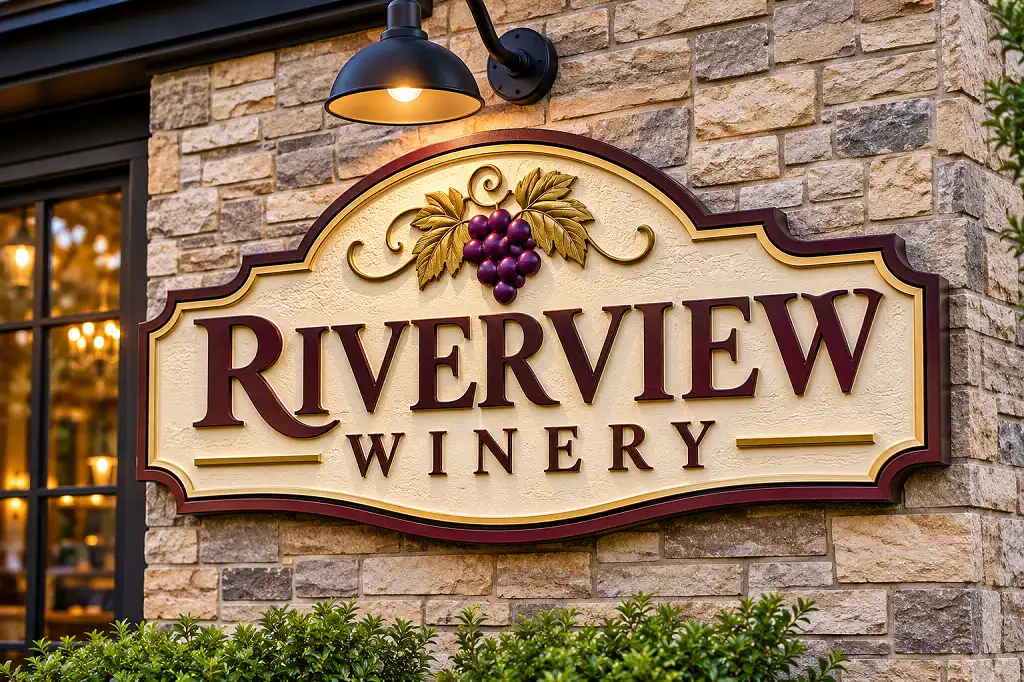
HDU Signs: What High-Density Urethane Foam Is and Why It’s a Premium Sign Choice
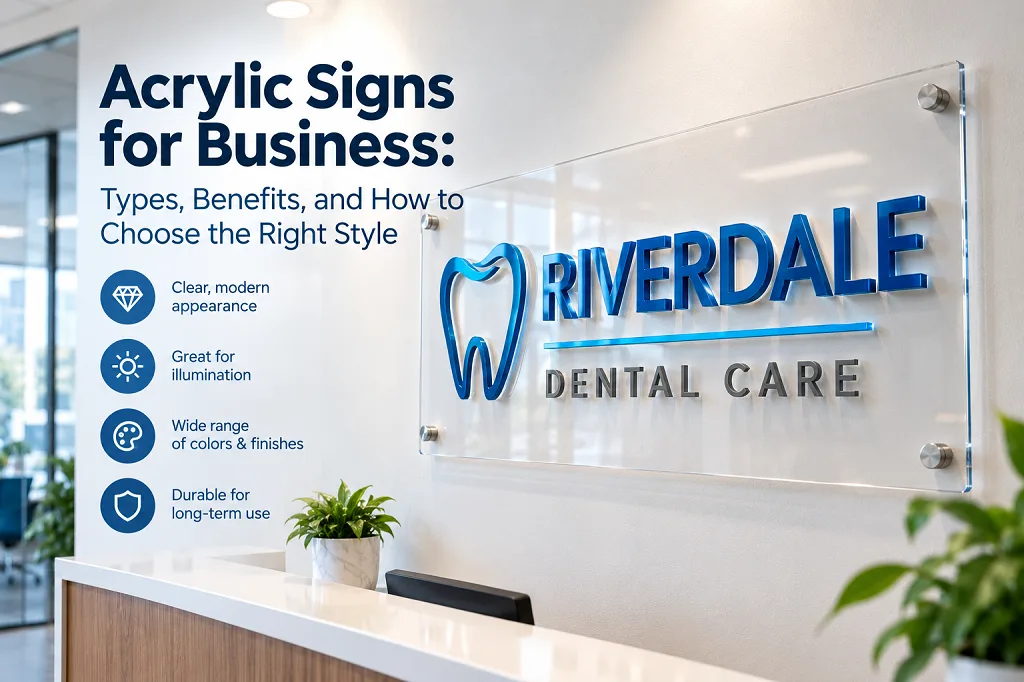
Acrylic Signs for Business: Types, Benefits, and How to Choose the Right Style
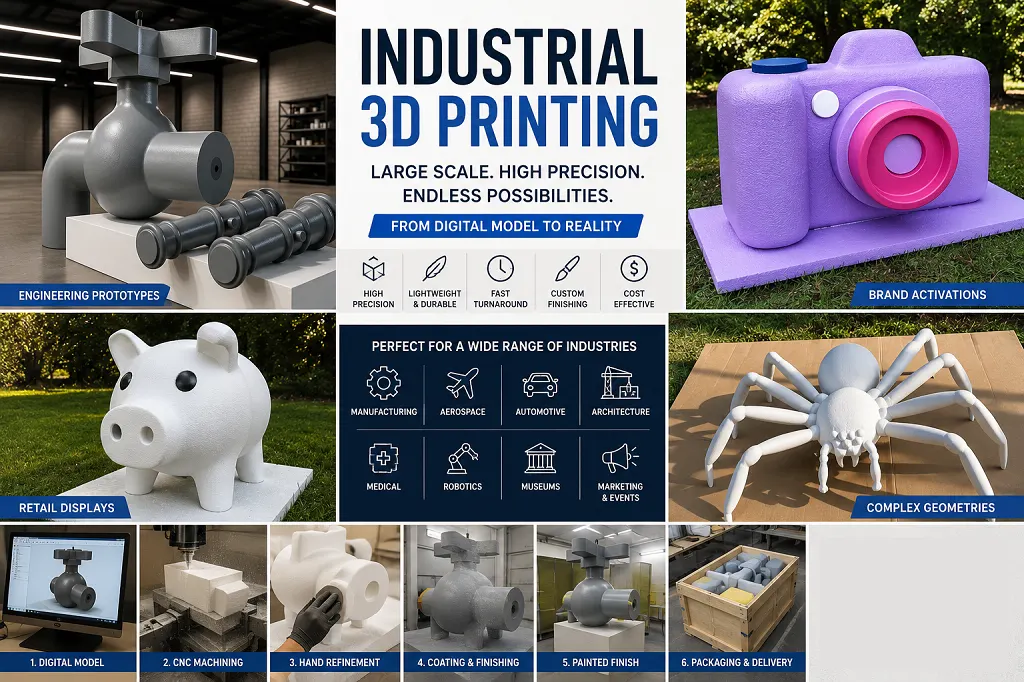
Industrial 3D Printing: Large-Scale Foam Prototypes, Models & Manufacturing Solutions
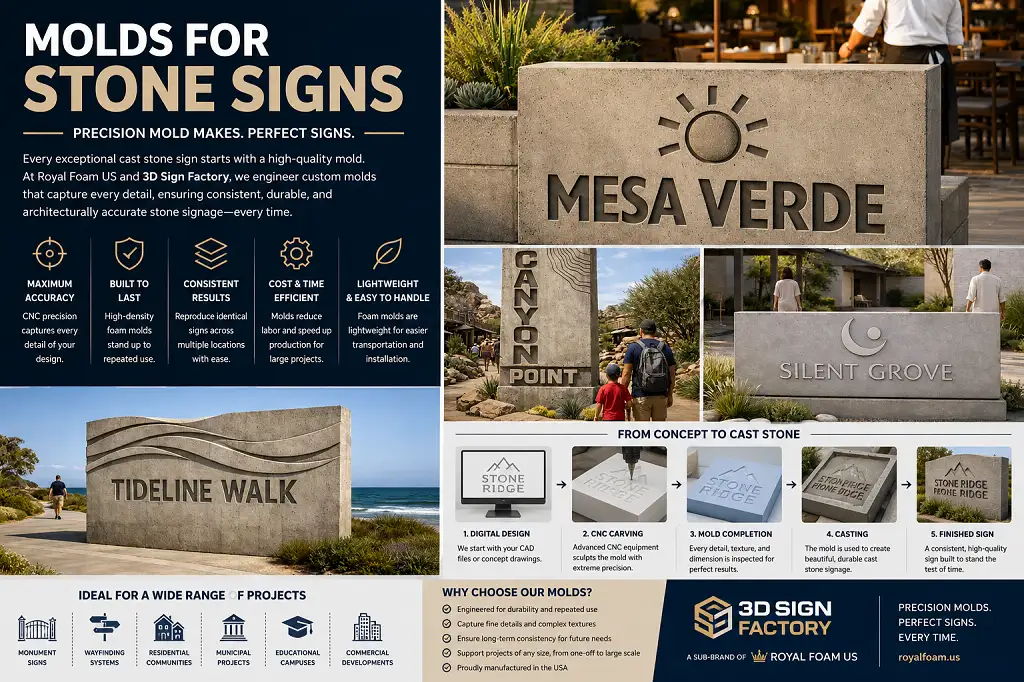
Molds for Stone Signs: The Foundation Behind Consistent Architectural Signage
Beyond the Booth: How Custom 3D Displays Make Brands Stand Out at Expos and Events
Sandblasted vs. Routed Signs: Which Is Right for Your Project?
Our customer reviews
Read more reviewsRead more reviews