Routed HDU Signs: Precision Engineering for Architectural Branding
Routed signs remain one of the most versatile and visually effective forms of architectural signage used across commercial, residential, institutional, and wayfinding applications. Unlike flat printed panels or temporary graphics, routed signage creates depth, texture, and dimensional presence that immediately increases perceived quality and visual impact.
In modern sign manufacturing, routed signs are used for everything from monument signs and entrance signage to directional systems, branded wall displays, HOA signage, parks, schools, golf communities, hospitality environments, and commercial developments. Their popularity continues to grow because they combine durability, customization, and architectural appearance in a way that many standard sign solutions cannot achieve.

At the manufacturing level, routed signs are engineered products. Every element — from material thickness and carving depth to paint contrast and mounting structure — affects readability, longevity, and final presentation. A professionally fabricated routed sign is not simply a decorative panel. It is a precision-machined dimensional product designed for long-term outdoor use.
One of the most common materials used in routed signage is HDU, or High-Density Urethane. HDU has become widely preferred because it allows highly detailed carving while maintaining stability in outdoor conditions. Unlike natural wood, HDU does not absorb moisture, rot, split, or warp over time. This makes it especially valuable in climates with humidity, rain exposure, temperature fluctuations, and strong UV conditions.
From a fabrication perspective, routed signs begin with digital engineering and layout planning. Typography, border spacing, carving depth, logo proportions, viewing distance, and mounting requirements must all be considered before production begins. This stage is critical because dimensional signage relies heavily on proportion and readability.
The actual routing process is performed using CNC equipment capable of carving lettering, logos, textures, borders, and custom shapes with extremely high accuracy. Modern CNC routing allows precise repeatability across multiple signs, which is especially important for franchise branding, multi-location developments, municipal projects, and large directional sign programs.
One of the biggest advantages of routed signage is dimensional control. Depth changes create shadows, contrast, and visual hierarchy that improve readability and perceived quality. Raised lettering, recessed backgrounds, carved textures, and layered architectural borders all contribute to a more sophisticated final appearance.
From a design standpoint, routed signs offer enormous flexibility. They can incorporate:
- Faux wood textures
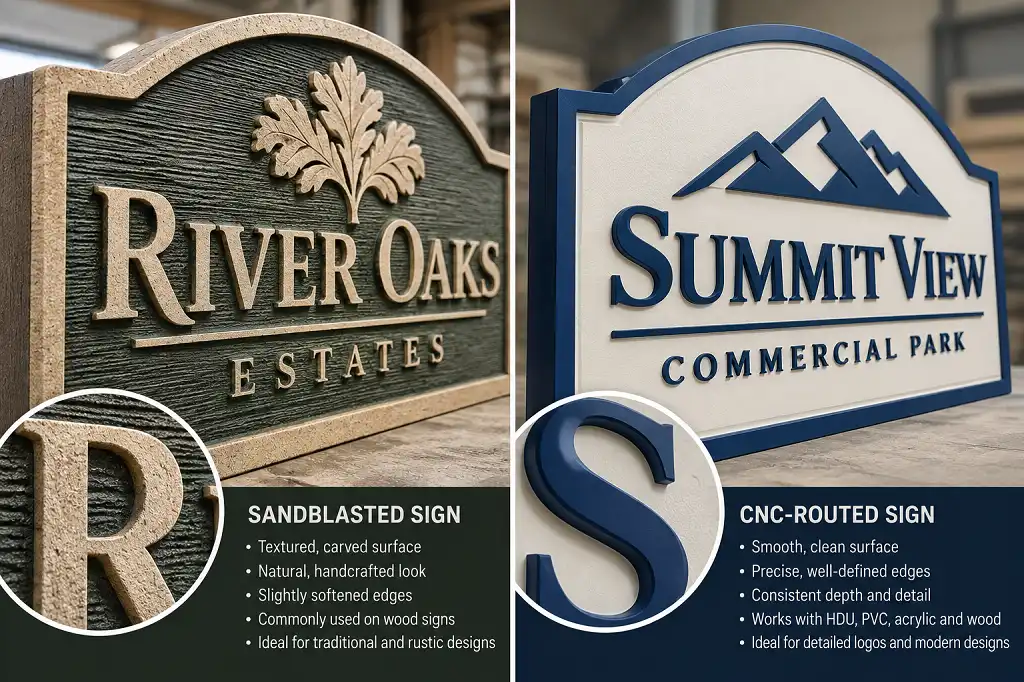
- Sandblasted effects
- Raised dimensional lettering
- Routed logos
- Decorative borders
- Carved backgrounds
- Directional arrows
- Architectural trim details
- Multi-layer construction
This allows routed signage to work across both traditional and modern architectural styles.
Faux wood routed signs have become especially popular because they replicate the warmth and texture of natural wood without the maintenance problems associated with real lumber. In outdoor environments, real wood signage often experiences cracking, swelling, fading, insect damage, and long-term deterioration. Routed HDU signs with faux wood finishes maintain visual consistency while eliminating many of those issues.
Readability is another major engineering factor in routed signage. Signage must function effectively at its intended viewing distance, angle, and lighting condition. This means proper stroke thickness, carving depth, color contrast, and spacing are all critical to performance.
For directional signage, readability becomes even more important. Drivers and pedestrians must interpret information quickly and clearly, often while moving. Clean routed lettering combined with high-contrast finishes creates a highly effective solution for wayfinding environments such as apartment complexes, commercial centers, schools, medical campuses, parks, and HOA developments.
Durability is also one of the key reasons routed signs remain so widely used. Properly manufactured routed HDU signs are engineered specifically for long-term exterior performance. Moisture resistance, UV stability, and dimensional consistency all contribute to lower maintenance requirements and longer service life.
From an installation standpoint, routed signs also offer flexibility. Depending on the application, they can be:
- Wall mounted
- Post mounted
- Integrated into monument structures
- Suspended
- Installed within architectural frameworks
- Combined with dimensional logos or decorative elements
This versatility allows routed signage to function both as a practical information tool and as a major architectural branding feature.
Another major advantage is scalability. Routed signage can be produced as:
- Single custom feature signs
- Complete directional programs
- Multi-tenant systems
- Repeating franchise packages
- HOA sign collections
- Campus-wide wayfinding systems
Because CNC production is digitally controlled, consistency can be maintained across large numbers of signs while still allowing individual customization where needed.
Color application and finishing also play a major role in the final quality of routed signage. Professionally finished routed signs rely on controlled paint application, edge definition, surface preparation, and texture consistency. High-quality finishes enhance readability while also reinforcing the architectural character of the project.
In many commercial environments, routed signage is chosen specifically because it creates a more permanent and premium appearance than flat panel alternatives. Dimensional depth naturally attracts attention and creates stronger visual presence without relying on excessive size or overly aggressive branding.
From an economic standpoint, routed signs also provide long-term value. Durable materials, stable finishes, and low maintenance requirements reduce lifecycle costs compared to temporary or lower-grade signage solutions. For property owners and developers, this translates into improved long-term presentation with fewer replacement concerns.
Today, routed signs continue to represent one of the most effective combinations of craftsmanship, engineering precision, architectural integration, and outdoor durability available in the signage industry.
For sign companies, developers, architects, contractors, and property managers, routed signage offers a scalable solution capable of delivering both functional performance and high-end visual impact across virtually any environment.

Read more

The Importance of Hard Coating in Outdoor Signage: How Polyurea Coating Transforms Foam Structures into Durable Signage
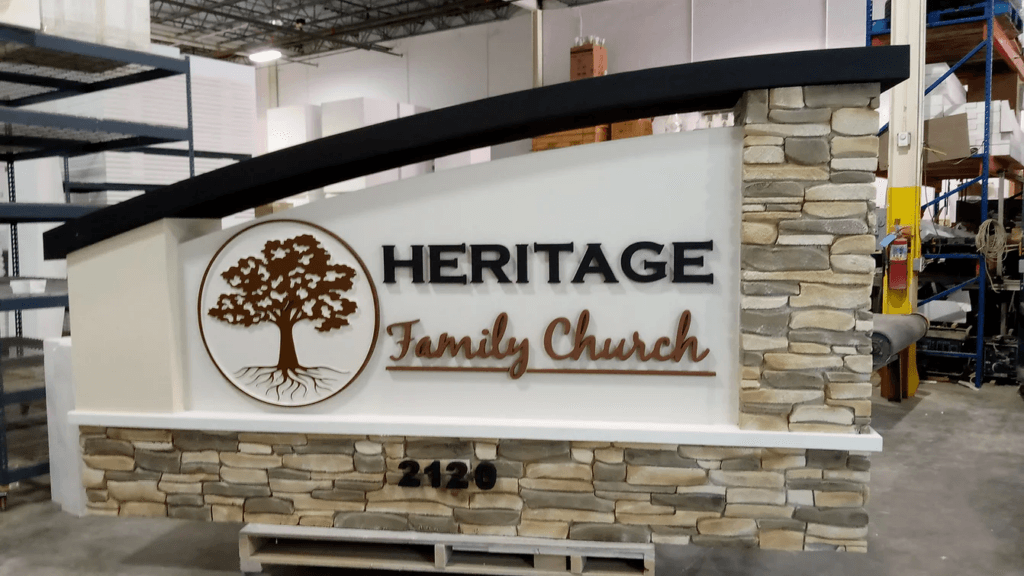
The Art of Imitation: How Faux Finishes Transform EPS Foam Into Stone, Metal & Wood

Beyond Traditional Materials: Why HDU Foam Is Replacing Wood and Stone in High-End Signage
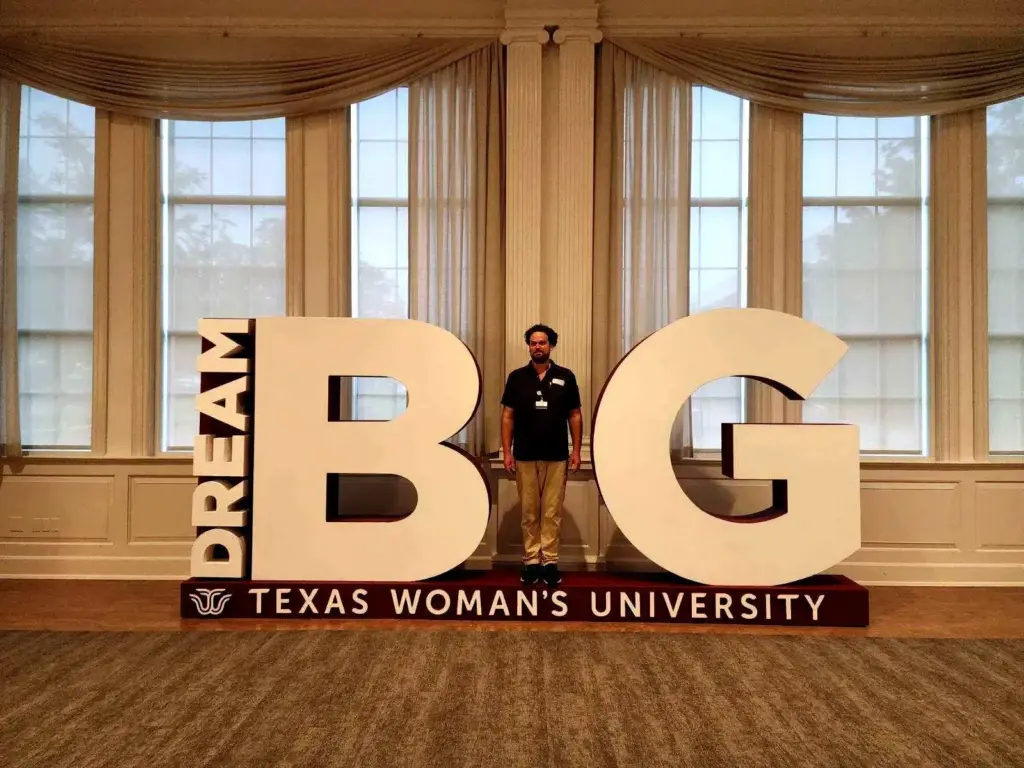
The Hidden Science Behind High-Quality Foam Lettering & Dimensional Signage
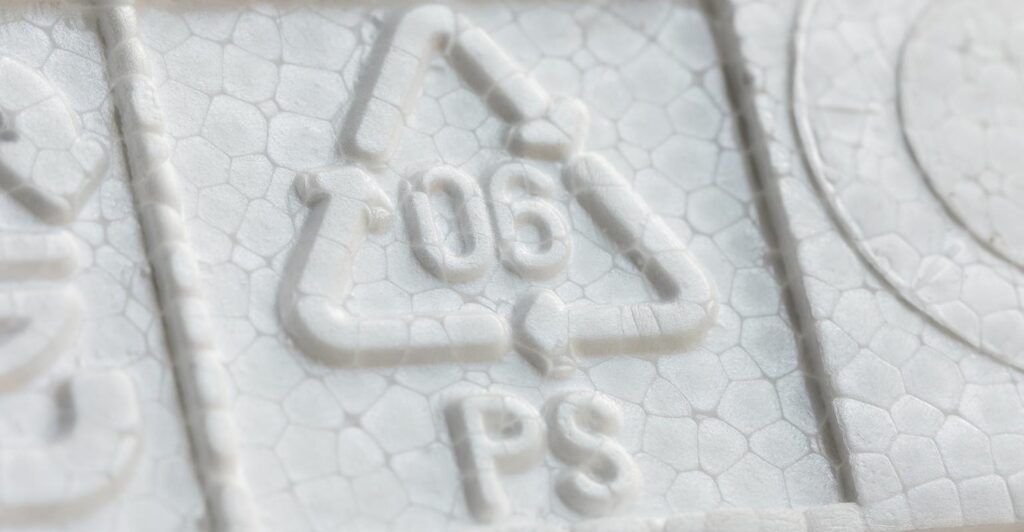
Eco-Friendly Signage Solutions: Is HDU & EPS Foam the Sustainable Choice?

Why Lightweight Foam Monument Signs Are Ideal for Large-Scale Signage

The Importance of Proper Installation for Monument Signs

Foam vs. Metal Signs: Cost, Durability, and Aesthetic Considerations

The Importance of Proper Installation for Monument Signs

From One-Time WOW to Multi-Tour ROI
Recommended Articles
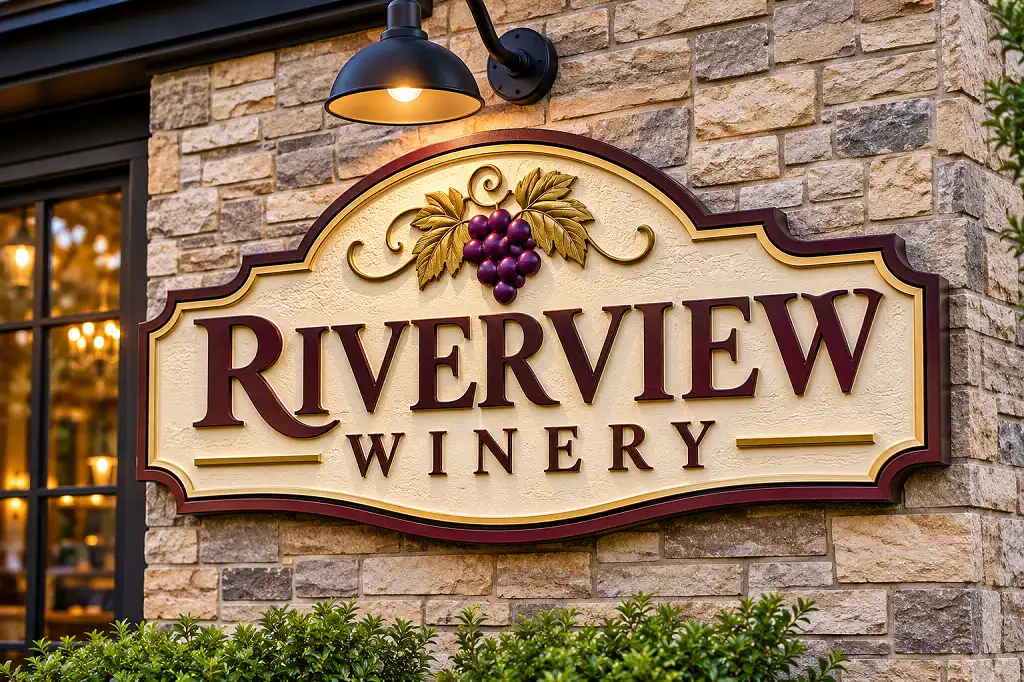
HDU Signs: What High-Density Urethane Foam Is and Why It’s a Premium Sign Choice
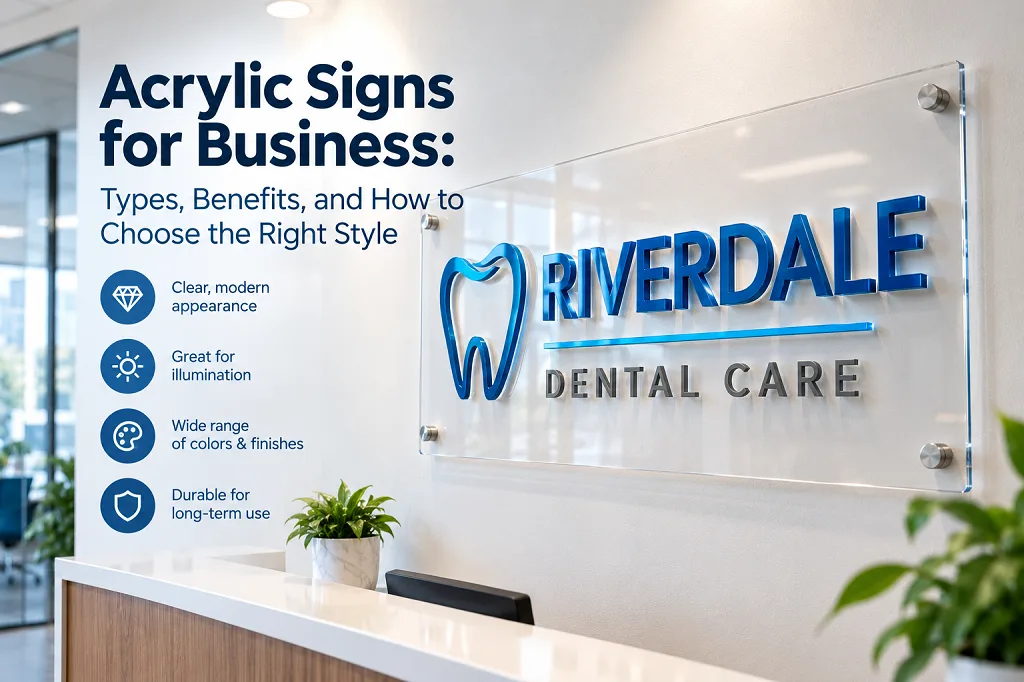
Acrylic Signs for Business: Types, Benefits, and How to Choose the Right Style
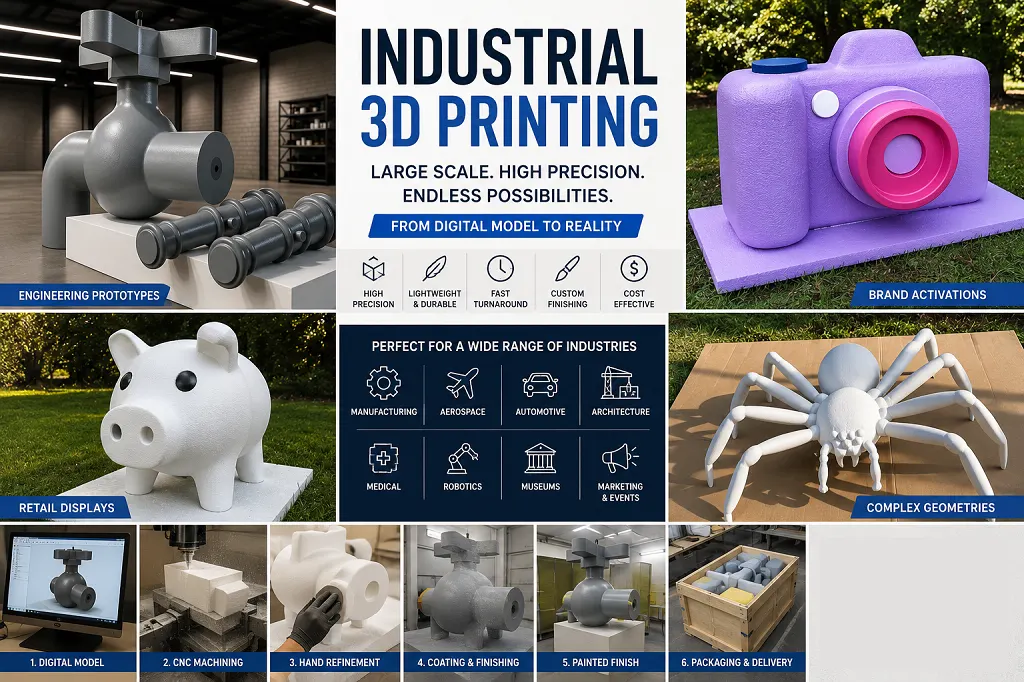
Industrial 3D Printing: Large-Scale Foam Prototypes, Models & Manufacturing Solutions
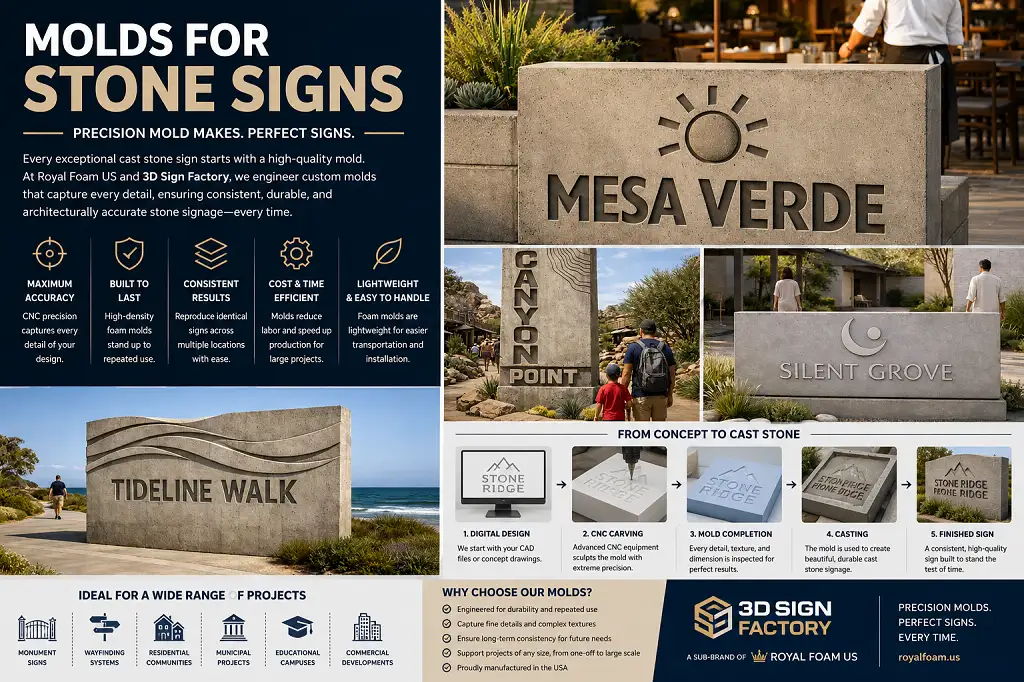
Molds for Stone Signs: The Foundation Behind Consistent Architectural Signage
Beyond the Booth: How Custom 3D Displays Make Brands Stand Out at Expos and Events
Sandblasted vs. Routed Signs: Which Is Right for Your Project?
Our customer reviews
Read more reviewsRead more reviews