Modern EPS Foam Monument Signs: The Lightweight Masonry Alternative
In today’s commercial construction industry, monument signs are no longer treated as simple identification markers. They have become architectural branding elements that influence curb appeal, tenant perception, property identity, and overall project presentation. For developers, architects, sign companies, HOAs, retail centers, schools, apartment communities, and franchise operators, monument signage has evolved into a permanent visual asset rather than a temporary accessory.
At the same time, the industry continues moving away from extremely heavy masonry and concrete construction toward lighter, more efficient engineered alternatives. One of the fastest-growing solutions in this category is the modern EPS foam monument sign with polyurea hardcoat.

We manufacture custom monument signs using 1 lb density EPS foam combined with a durable polyurea hardcoat exterior. This approach allows us to create large-scale architectural signage that delivers the appearance of stone, brick, wood, concrete, or dimensional sculptural forms while dramatically reducing weight and installation complexity.
The engineering advantage begins with the material itself. Expanded Polystyrene foam provides an extremely lightweight core that can be shaped into virtually any geometry. Unlike traditional masonry construction that depends on heavy block, poured concrete, or carved stone, EPS monument signs achieve structural volume without introducing unnecessary mass.
For large monument signs, weight becomes one of the most important engineering and economic considerations. Traditional masonry signs often require:
- Larger concrete foundations
- Steel reinforcement
- Heavy freight handling
- Specialized installation equipment
- Longer field labor schedules
A lightweight foam monument sign significantly reduces those challenges. Lower weight simplifies transportation, decreases installation labor, reduces handling risks, and allows projects to move faster from fabrication to final placement.
Modern foam monument signs are also far more advanced than many people realize. In professional architectural sign manufacturing, the process starts with CAD engineering and digital production modeling. Dimensions, curves, logos, mounting points, sign faces, and structural requirements are planned before fabrication begins.
The EPS foam is then shaped using precision CNC equipment capable of producing highly accurate curves, textures, dimensional lettering, architectural trims, and custom forms. This level of precision is especially important for franchise signage, multi-location developments, and projects requiring strict brand consistency.
Once the foam structure is completed, the monument sign receives a polyurea hardcoat. This coating is one of the most important parts of the manufacturing process because it creates the durable exterior shell that protects the sign from moisture, UV exposure, weather conditions, and surface damage.
The polyurea hardcoat transforms lightweight foam into a durable exterior architectural product suitable for long-term outdoor use. When properly applied, the finish creates a strong protective layer while maintaining sharp details and clean surface transitions.
One of the biggest advantages of EPS monument signs is design flexibility. Traditional masonry construction often limits what can realistically be fabricated within budget and schedule constraints. Foam fabrication allows for:
- Large curved structures
- Faux stone finishes
- Faux brick textures
- Faux wood appearances
- Deep dimensional lettering
- Oversized architectural caps
- Integrated logos
- Decorative trim profiles
- Sculptural monument forms
Because the core material remains lightweight, even very large monument signs can be manufactured and installed more efficiently than traditional alternatives.
From a project management perspective, installation efficiency is another major benefit. Traditional masonry monument signs may require multiple trades working sequentially on-site over extended timelines. Foam monument signs are typically fabricated as controlled prefabricated structures before delivery.
This reduces:
- Field labor
- Site disruption
- Coordination complexity
- Installation time
- Weather-related construction delays
For sign companies and resellers, this creates a major operational advantage. Faster installations allow more projects to move through production while reducing scheduling risks and labor coordination challenges.
Another important factor is finish consistency. Faux stone, faux brick, and faux wood monument signs are designed to replicate the visual appearance of natural materials while avoiding many of the long-term problems associated with them. Real wood can warp, crack, absorb moisture, or deteriorate over time. Traditional masonry can develop cracking, staining, or structural issues depending on installation conditions and environmental exposure.

With modern foam monument fabrication, the goal is not simply to imitate traditional materials — it is to deliver the same architectural appearance while improving efficiency, scalability, and practicality.
From an architectural perspective, monument signs must also function as part of the larger property environment. A properly designed monument sign creates visual balance with landscaping, entry drives, buildings, and pedestrian flow. Large-scale dimensional signs also help establish hierarchy and improve wayfinding visibility from greater distances.
This becomes especially important for:
- Apartment communities
- Schools and universities
- Medical campuses
- Retail developments
- HOA entrances
- Hotels and resorts
- Commercial office parks
In these environments, monument signage directly affects first impressions and perceived property quality.
Durability is another major consideration. Professionally manufactured EPS monument signs with polyurea hardcoat are engineered for long-term outdoor exposure. Moisture resistance, UV stability, dimensional consistency, and coating integrity all play critical roles in overall performance.
Every monument sign project is approached from both an engineering and fabrication perspective. The objective is not simply to create a visually attractive sign, but to manufacture a lightweight architectural structure that performs reliably throughout transportation, installation, and long-term outdoor use.
As the signage industry continues evolving, lightweight engineered monument signs are becoming the preferred solution for projects requiring architectural scale, custom design flexibility, efficient installation, and durable long-term performance.
For developers, architects, contractors, and sign companies, EPS monument signs with polyurea hardcoat represent a modern approach to architectural signage — combining visual impact, manufacturing precision, and practical engineering into one scalable solution.
Frequently Asked Questions
Why is the commercial construction industry moving away from traditional masonry signs?
Traditional stone and concrete signs are incredibly heavy, requiring massive foundations, cranes, and lengthy on-site labor. Modern engineered foam monument signs deliver the exact same high-end architectural appearance at a fraction of the weight and cost.
What exactly makes an EPS foam monument sign so durable for outdoor use?
The secret lies in the high-performance polyurea hardcoat applied over the EPS foam core. This creates an ultra-durable, rock-hard exterior shell that completely protects the sign from moisture, UV fading, impacts, and severe weather.
Can a foam monument sign convincingly replicate materials like stone, brick, or wood?
Yes, advanced CNC machining and specialized finishing techniques allow foam to flawlessly mimic faux stone, brick, or wood textures. This gives architects and developers unlimited design flexibility without the weight or budget constraints of raw materials.
How does a prefabricated foam monument sign simplify the installation process?
Unlike traditional masonry that requires multiple trades working on-site for weeks, foam monument signs arrive pre-fabricated and ready to anchor. This drastically reduces field labor, site disruption, and weather-related construction delays.
What types of commercial properties benefit most from these modern monument signs?
They are ideal for apartment communities, universities, retail developments, corporate parks, and HOA entrances where curb appeal is critical. They establish an immediate sense of property quality and premium branding from a long distance.
Do foam monument signs hold up better over time than natural wood or real masonry?
Yes, because unlike real wood that warps and rots, or traditional brick that can crack and stain from moisture, foam signs remain dimensionally stable. The seamless polyurea coating ensures the structure maintains its pristine appearance for years with virtually zero maintenance.

Read more

The Importance of Hard Coating in Outdoor Signage: How Polyurea Coating Transforms Foam Structures into Durable Signage
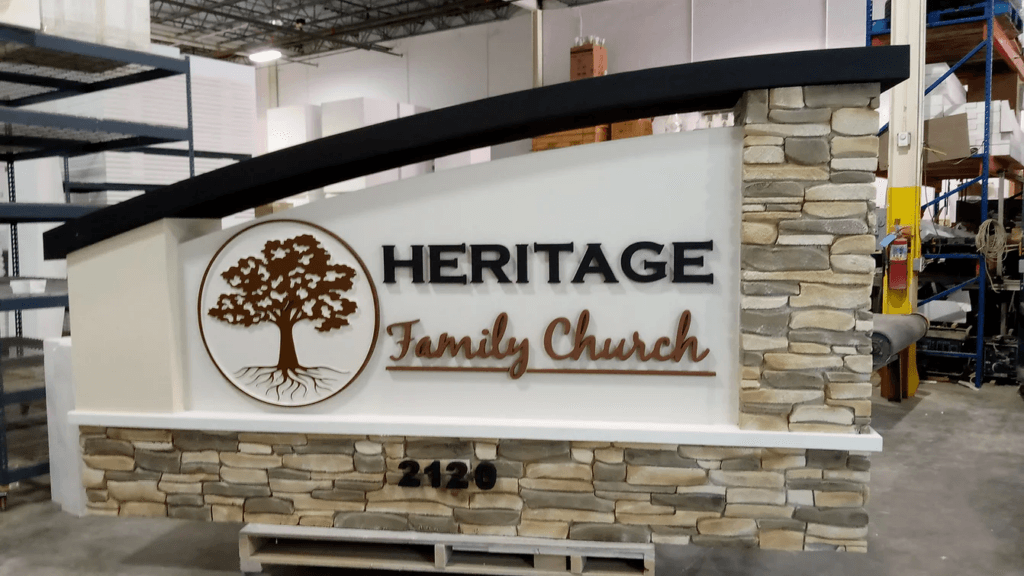
The Art of Imitation: How Faux Finishes Transform EPS Foam Into Stone, Metal & Wood

Beyond Traditional Materials: Why HDU Foam Is Replacing Wood and Stone in High-End Signage
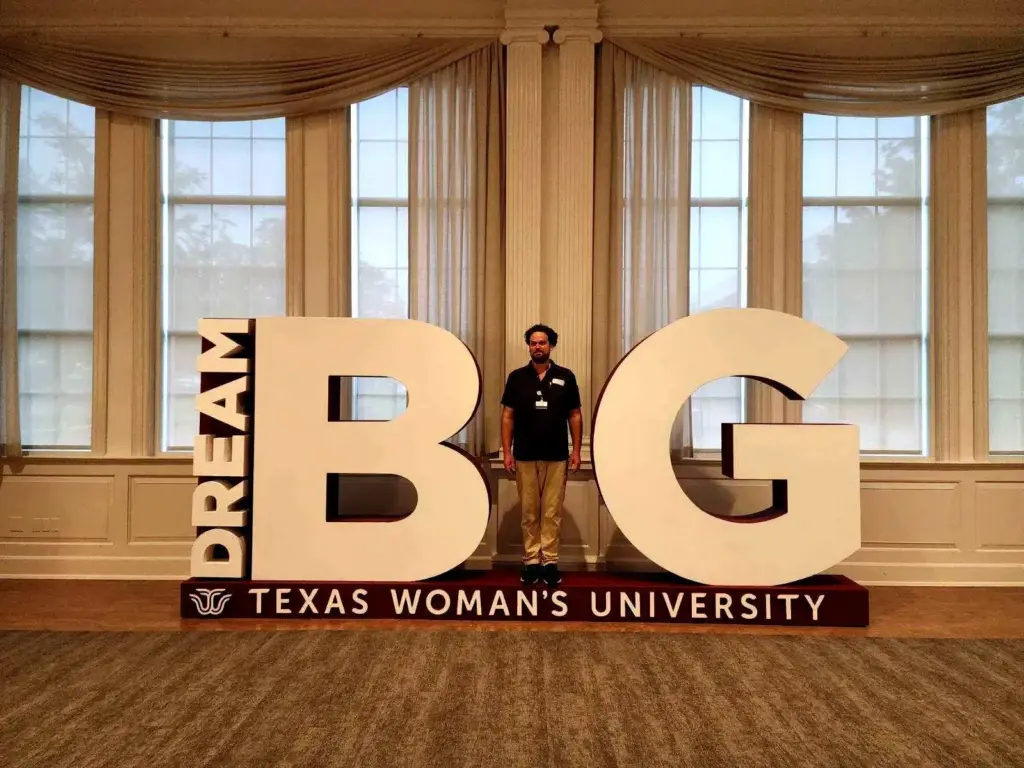
The Hidden Science Behind High-Quality Foam Lettering & Dimensional Signage
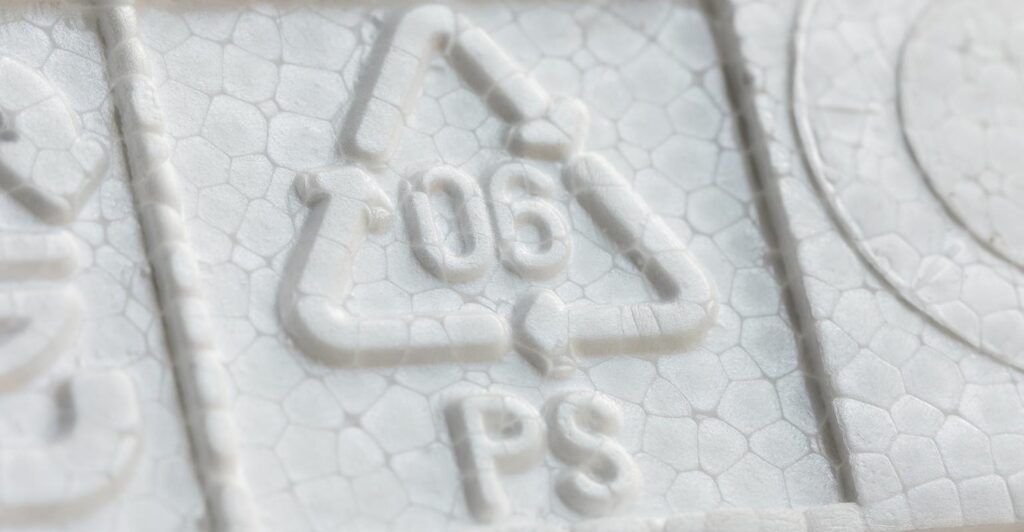
Eco-Friendly Signage Solutions: Is HDU & EPS Foam the Sustainable Choice?

Why Lightweight Foam Monument Signs Are Ideal for Large-Scale Signage

The Importance of Proper Installation for Monument Signs

Foam vs. Metal Signs: Cost, Durability, and Aesthetic Considerations

The Importance of Proper Installation for Monument Signs

From One-Time WOW to Multi-Tour ROI
Recommended Articles
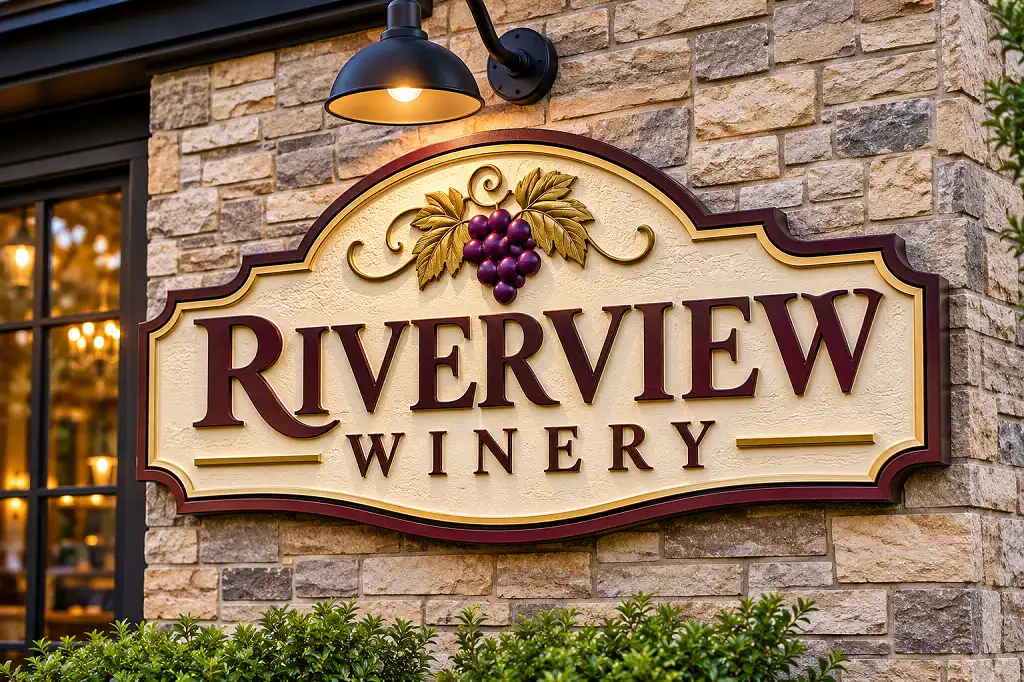
HDU Signs: What High-Density Urethane Foam Is and Why It’s a Premium Sign Choice
Acrylic Signs for Business: Types, Benefits, and How to Choose the Right Style
Industrial 3D Printing: Large-Scale Foam Prototypes, Models & Manufacturing Solutions
Molds for Stone Signs: The Foundation Behind Consistent Architectural Signage
Beyond the Booth: How Custom 3D Displays Make Brands Stand Out at Expos and Events
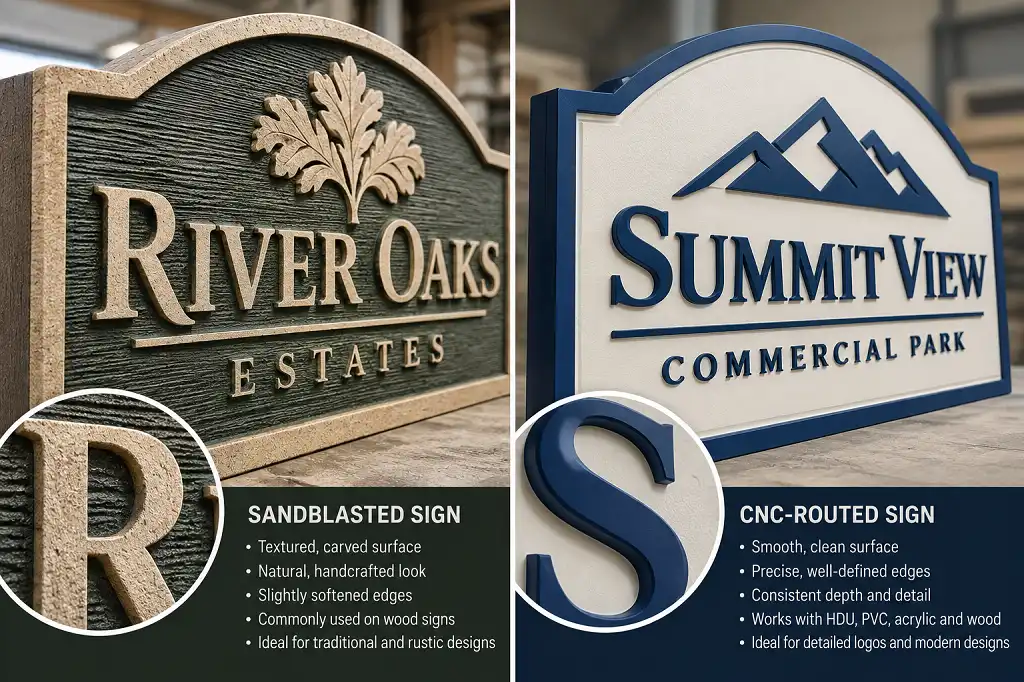
Sandblasted vs. Routed Signs: Which Is Right for Your Project?
Our customer reviews
Read more reviewsRead more reviews