 By Oleg Ort ·
Illuminated letters & logos for architectural branding
Illuminated letters and logos have become one of the most important elements in modern architectural branding. In today’s commercial environment, businesses compete not only through products and services, but through visibility, recognition, and visual presence. Whether mounted on storefronts, monument signs, office buildings, hospitality properties, retail centers, or corporate headquarters, illuminated dimensional signage plays a critical role in how a brand is perceived both during the day and at night.

Unlike flat printed graphics or temporary signage, illuminated dimensional letters create architectural depth, stronger visibility, and a significantly more premium appearance. Properly engineered illuminated signage functions as both a branding tool and a permanent architectural feature integrated into the building environment.
Modern illuminated signage is used across virtually every commercial sector, including:
- Retail centers
- Restaurants
- Hotels and resorts
- Apartment communities
- Corporate offices
- Educational campuses
- Entertainment venues
- Healthcare facilities
- Franchise locations
- Mixed-use developments
What makes illuminated letters and logos especially valuable is their ability to combine dimensional fabrication, lighting engineering, and architectural integration into one cohesive product.
From a manufacturing perspective, illuminated signage is far more complex than standard dimensional lettering. Every project requires coordination between structural fabrication, electrical planning, mounting methods, illumination consistency, and long-term weather resistance.
The fabrication process typically begins with digital engineering and layout development. Typography proportions, logo scaling, viewing distance, mounting surfaces, lighting intensity, and installation requirements are all planned before production starts. This phase is critical because illuminated signs must function effectively both during daylight hours and nighttime conditions.
One of the most important engineering considerations is readability. Illuminated signage must remain visually clear from different distances, angles, and lighting environments. Letter stroke thickness, depth, spacing, return depth, face material, and illumination intensity all affect how the sign performs once installed.
Dimensional illuminated letters are commonly fabricated using lightweight structural materials capable of supporting both the exterior finish and internal lighting components. Precision CNC fabrication allows highly accurate shaping of logos, typography, borders, and custom architectural forms while maintaining consistency across all elements.
Lighting integration itself requires careful engineering. Uneven illumination, visible hotspots, shadowing, and inconsistent brightness are some of the most common failures in poorly manufactured signs. Proper internal spacing, diffusion planning, and LED placement are essential for achieving clean, uniform illumination across the entire sign face.
Several illumination styles are commonly used depending on the architectural environment and branding goals.
Front-lit letters provide direct face illumination and are often used where maximum nighttime visibility is required. Halo-lit letters create a softer illuminated glow projected behind the letters onto the mounting surface, producing a more architectural and premium appearance. Combination-lit letters integrate both front and halo illumination for increased dimensional effect and stronger nighttime presence.
From an architectural standpoint, illuminated signage must also integrate cleanly with the surrounding environment. Modern projects increasingly require signage that complements the building design rather than appearing as a separate attachment. This means material finishes, mounting methods, spacing, and lighting color temperature all become part of the overall architectural composition.
Large illuminated logos and letters also create strong wayfinding benefits. In retail, hospitality, and commercial developments, illuminated signage helps establish visibility from greater distances while improving navigation and property recognition after dark.
Durability is another major engineering factor. Exterior illuminated signs must withstand:
- UV exposure
- Moisture
- Heat
- Temperature changes
- Wind load
- Long-term electrical operation
Because of this, fabrication quality becomes extremely important. Structural rigidity, sealed electrical components, mounting integrity, and finish durability all directly affect long-term performance and maintenance requirements.
One of the biggest advantages of dimensional illuminated signage is scalability. The same manufacturing approach can be used for:
- Small storefront logos
- Large corporate branding
- Monument sign illumination
- Interior lobby signs
- Campus signage
- Multi-location franchise programs
- Architectural facade lettering
This allows businesses to maintain visual consistency across multiple locations while adapting scale and lighting style to each environment.
Another major benefit is the ability to combine illumination with architectural textures and dimensional fabrication. Illuminated logos can be integrated into:
- Monument signs
- Faux stone structures
- Routed panels
- Architectural facades
- Pergola-style signs
- Dimensional wall systems
This creates significantly more visual depth and sophistication compared to flat cabinet signs or printed graphics.
From a branding perspective, illuminated signage has a direct effect on perceived professionalism and business visibility. A well-designed illuminated logo creates stronger nighttime recognition, improves curb appeal, and enhances the overall visual authority of the property or business.
Economically, professionally engineered illuminated signage also delivers long-term value. LED technology provides efficient illumination with low energy consumption and extended operational lifespan. Combined with durable fabrication and controlled manufacturing processes, modern illuminated signage is designed for long-term exterior performance with minimal maintenance requirements.
In today’s architectural signage industry, illuminated letters and logos are no longer viewed simply as lighting products. They are engineered branding structures that combine fabrication precision, electrical integration, architectural aesthetics, and long-term durability into one highly visible system. For sign companies, architects, developers, contractors, and commercial property owners, illuminated dimensional signage remains one of the most effective ways to create strong visual identity, improve nighttime visibility, and establish a premium architectural presence.

Read more

The Importance of Hard Coating in Outdoor Signage: How Polyurea Coating Transforms Foam Structures into Durable Signage
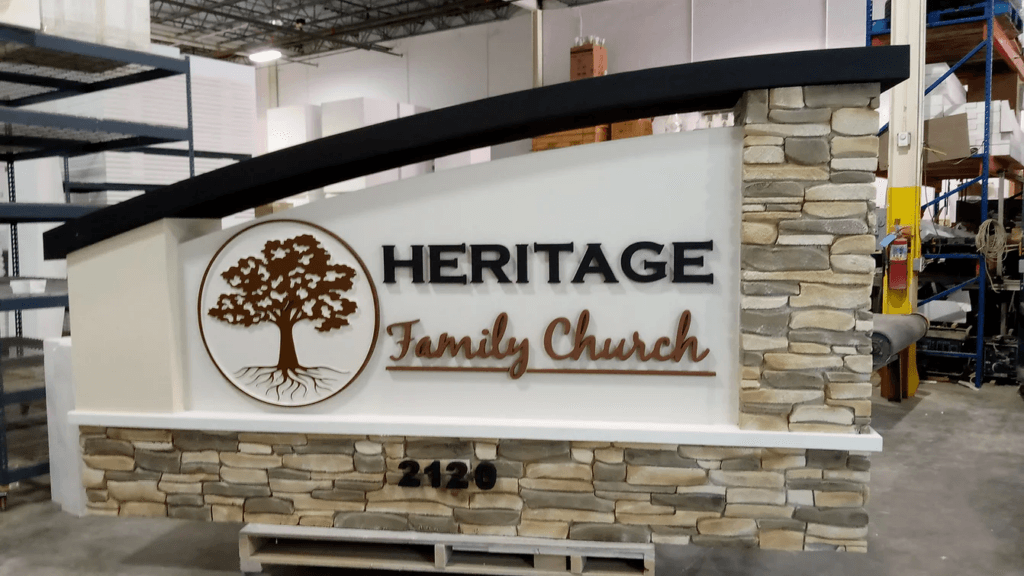
The Art of Imitation: How Faux Finishes Transform EPS Foam Into Stone, Metal & Wood

Beyond Traditional Materials: Why HDU Foam Is Replacing Wood and Stone in High-End Signage
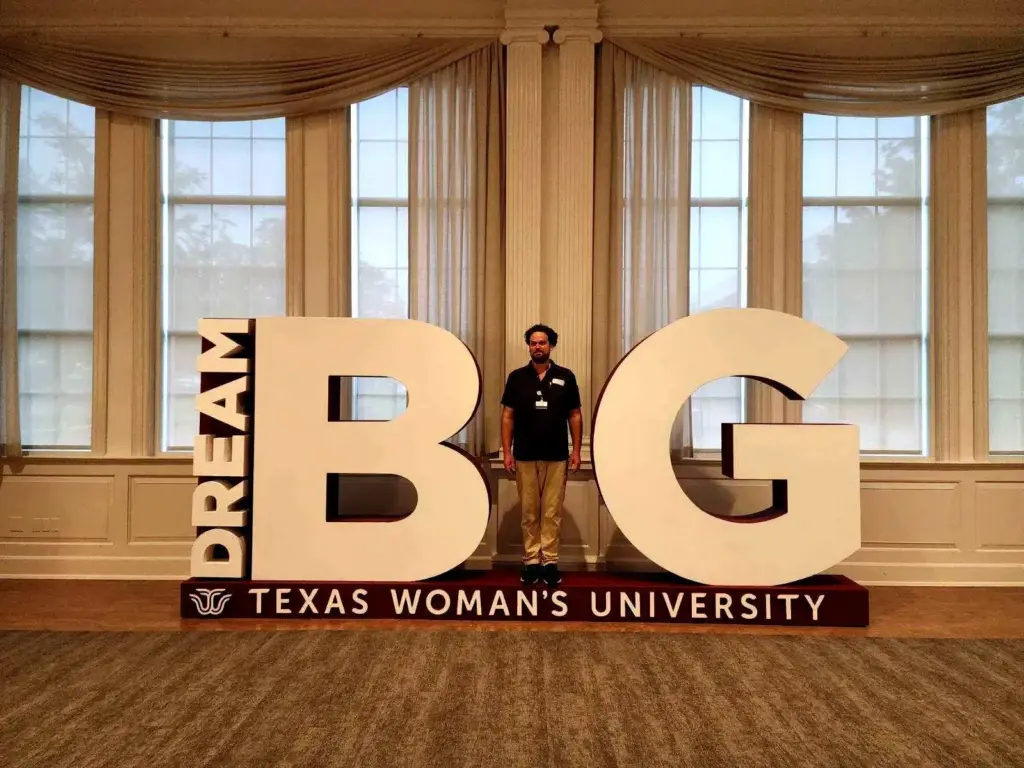
The Hidden Science Behind High-Quality Foam Lettering & Dimensional Signage
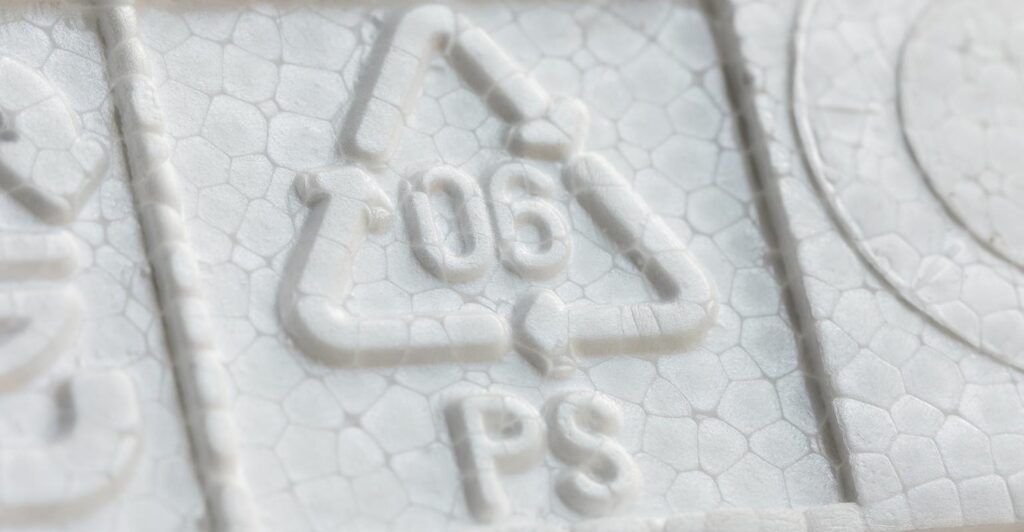
Eco-Friendly Signage Solutions: Is HDU & EPS Foam the Sustainable Choice?

Why Lightweight Foam Monument Signs Are Ideal for Large-Scale Signage

The Importance of Proper Installation for Monument Signs

Foam vs. Metal Signs: Cost, Durability, and Aesthetic Considerations

The Importance of Proper Installation for Monument Signs

From One-Time WOW to Multi-Tour ROI
Recommended Articles
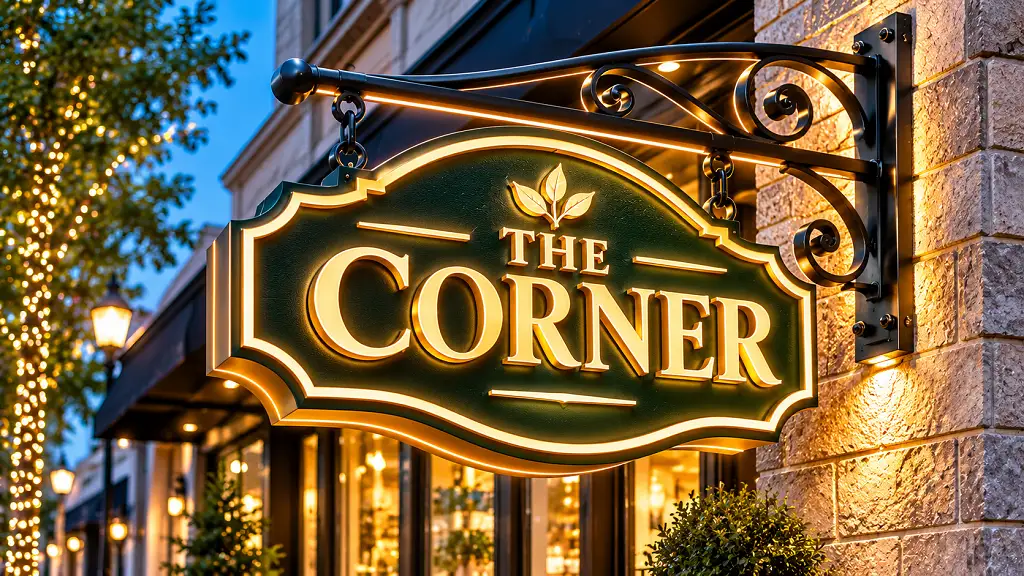
Blade Signs and Projecting Signs: Getting Your Storefront Seen by People Walking Past

Holiday Storefront Displays: Dimensional Signs and 3D Props That Drive Winter Foot Traffic
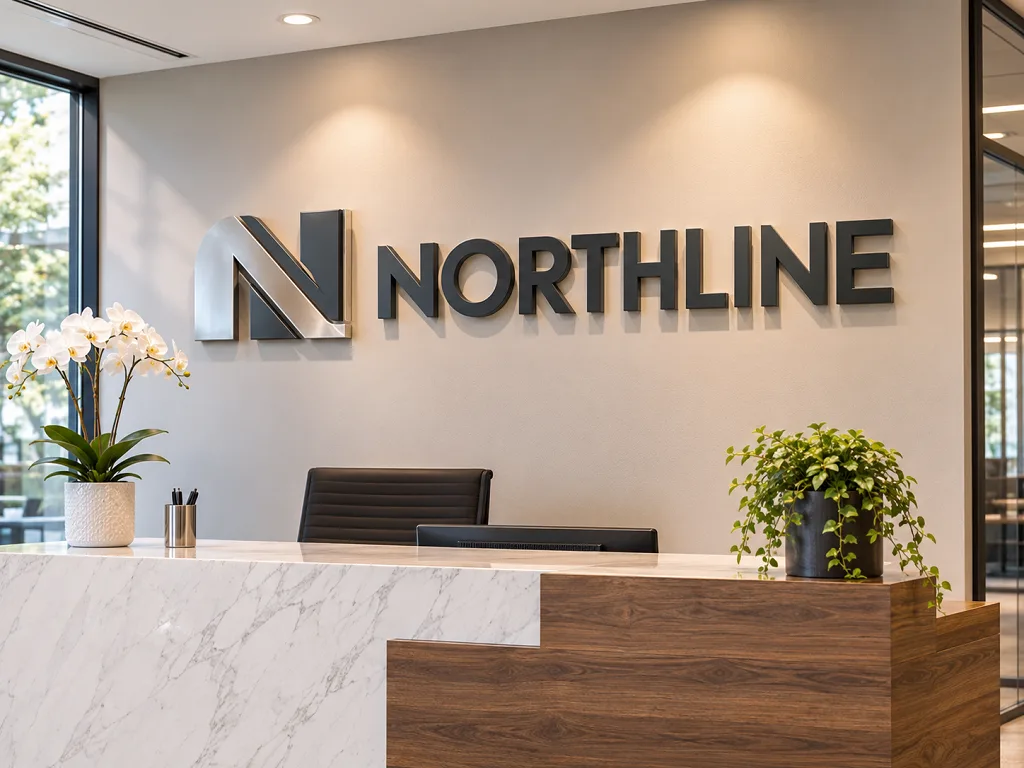
3D Logo Signs for Lobbies and Offices: Choosing Material, Thickness, and Mounting
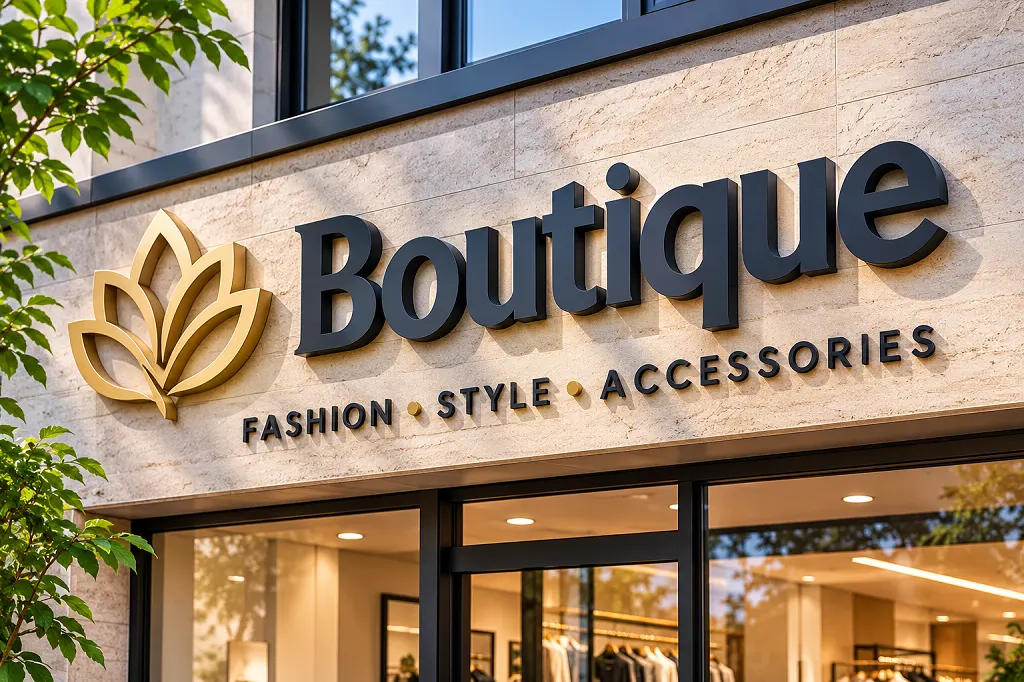
PVC Letters and Logos for Business Signage: Durable, Lightweight, and Fully Customizable
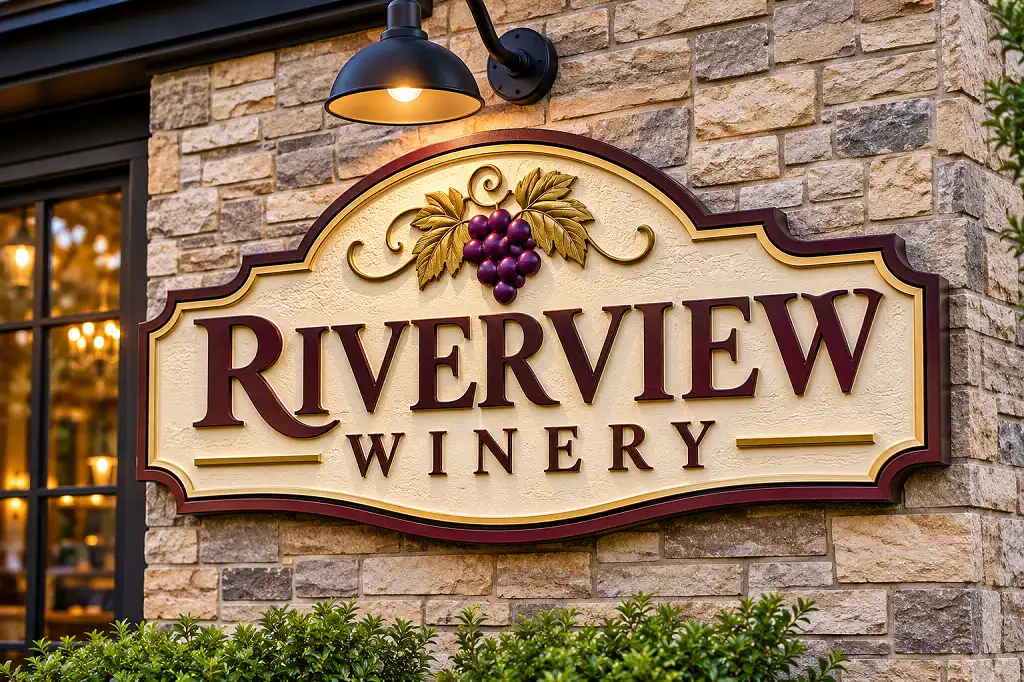
HDU Signs: What High-Density Urethane Foam Is and Why It’s a Premium Sign Choice
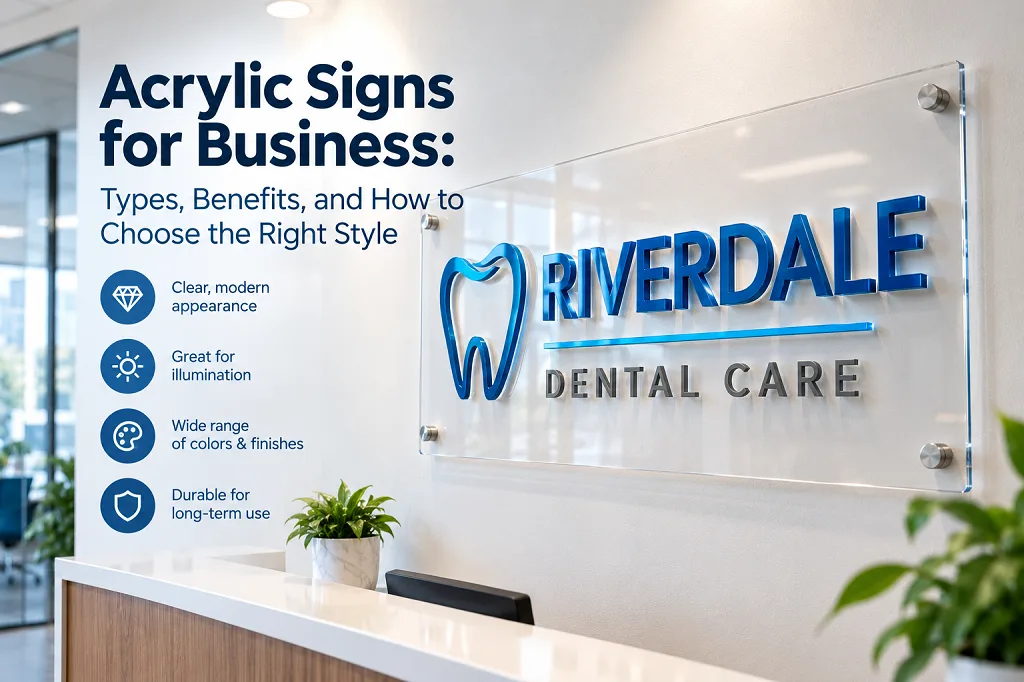
Acrylic Signs for Business: Types, Benefits, and How to Choose the Right Style
Our customer reviews
Read more reviewsRead more reviews