How to Choose Storefront Signs for Your Business – Types, Materials, and Installation
A boutique clothing retailer recently leased a unit in a strip center with eight other businesses sharing the same parking lot and street frontage. For the first three months after opening, foot traffic stayed flat despite a strong social media following and steady online sales. The problem became obvious during a site visit at dusk: the store’s modest vinyl banner blended into the row of similar signage along the block, and nobody driving by could tell which storefront belonged to which brand. After replacing the banner with illuminated channel letters in the brand’s signature color, paired with a smaller window-mounted logo decal for daytime appeal, foot traffic increased noticeably within the first month. Storefront signs are often the most underestimated marketing investment a retail or service business makes – they work continuously, cost nothing per impression, and directly determine whether passing traffic becomes walking-in traffic. This guide covers exactly how to choose the right type, material, and installation approach for your specific location and business.

Types of Storefront Signs and Which One Fits Your Business
Storefront signage isn’t a single category – it covers a range of distinct sign types, each suited to different building configurations, visibility needs, and budgets. Understanding the major types is the first step toward choosing correctly.
Channel letters are individually fabricated, internally illuminated letters mounted directly to a building facade, typically spelling out the business name above the entrance. They are the most recognized format for retail storefront signage exterior applications because they combine strong daytime visibility (through dimensional form and shadow) with equally strong nighttime visibility (through internal LED illumination). Channel letters work especially well for businesses in retail centers, restaurant rows, and commercial corridors where consistent visibility across day and night hours is essential to capturing both daytime walk-by traffic and evening diners or shoppers.
3D dimensional signs – logos or letterforms with physical depth but not necessarily internal illumination – offer many of the same visual advantages as channel letters at a typically lower fabrication cost, particularly when produced in coated foam. These work well for businesses that want strong daytime presence and brand recognition through their logo’s physical form, with the option to add external accent lighting for evening visibility rather than building illumination into the letters themselves.
LED and digital signage includes illuminated panel signs, LED message displays, and backlit box signs. These are especially effective for businesses that need to communicate changing information – daily specials, current promotions, or service updates – alongside their static branding. LED box signs (a backlit panel with the business name and logo printed or vinyl-applied to a translucent face) are a cost-effective entry point for storefront signage cost-conscious businesses that still need reliable nighttime visibility, though they generally read as less premium than channel letters or dimensional signage.
Flat panel and routed signage covers non-illuminated, surface-mounted signs – painted aluminum panels, routed and painted HDU or foam panels, and printed panel signs. These are the most economical storefront signage ideas for businesses with strong daytime foot traffic in well-lit areas where nighttime illumination isn’t a primary driver of business, such as professional offices, boutique retail in pedestrian-heavy districts, or businesses operating exclusively during daylight hours.
Window and door signage – vinyl lettering, window decals, and frosted or etched film graphics – supplements primary storefront signs with close-range branding, hours of operation, and promotional messaging visible to pedestrians and approaching customers. While not a substitute for primary identification signage, window graphics are a low-cost, high-impact addition that reinforces brand presence at the point closest to the actual entrance.
Awning and blade signage incorporates branding into functional architectural elements – a fabric or metal awning printed with the business name, or a projecting blade sign mounted perpendicular to the building face for visibility along a pedestrian sidewalk. Blade signs in particular are valuable in dense urban retail environments where storefronts are narrow and a sign mounted flat to the facade may not be visible until a pedestrian is directly in front of the building.
Choosing among these types starts with an honest assessment of your specific location: traffic speed and direction, hours of operation, building facade constraints, and budget. A business on a high-speed arterial road has fundamentally different visibility requirements than one on a slow pedestrian shopping street, and the right storefront sign company will walk through these location-specific factors with you before recommending a type.
Materials for Storefront Signs: What Determines Cost, Appearance, and Longevity
Material selection for commercial storefront signs affects fabrication cost, installation complexity, illumination quality, and how the sign will age over years of outdoor exposure. The right material depends on the sign type you’ve selected and your specific durability and budget requirements.
Aluminum is the standard substrate for channel letter returns and flat panel signage because it’s lightweight, naturally corrosion-resistant, and accepts both painted and powder-coated finishes well. For exterior business signs that need to perform for a decade or more with minimal maintenance, aluminum is consistently a reliable choice. It’s also the most common material for sign cabinet construction – the structural box behind illuminated panel signs – because of its strength-to-weight ratio and resistance to the moisture and temperature cycling that exterior installations endure.
Acrylic is used extensively for illuminated letter faces and panel sign faces because of how evenly it transmits and diffuses light from internal LED sources. Translucent acrylic in specific colors, paired with white LED illumination behind it, produces the bright, even glow associated with traditional storefront signage that’s instantly recognizable to customers approaching at night. Acrylic is available in an extensive color range and machines cleanly for crisp letterforms and logo cutouts, though it’s more impact-fragile than aluminum or coated foam and is generally reserved for sign faces rather than structural or load-bearing elements.
Coated foam (high-density EPS or HDU) has become an increasingly popular choice for dimensional storefront logos and 3D letterforms because it allows complex, sculptural shapes to be produced at a fraction of the weight and cost of equivalent metal fabrication. When finished with a professional hard coat and UV-stabilized exterior topcoat, foam-based storefront signage outdoor performance is genuinely reliable over many years, and the material’s light weight significantly simplifies installation on facades where structural mounting capacity is limited – a real consideration for storefronts in older buildings or leased retail spaces where landlords restrict structural modifications.
Vinyl and printed graphics – used for window lettering, awning graphics, and some banner or panel sign faces – are the most economical material option and the fastest to produce, making them ideal for temporary signage, grand opening promotions, or businesses testing a location before committing to a permanent illuminated sign. Quality cast vinyl with UV-resistant inks can last several years in direct sun exposure, though it will not match the longevity of fabricated dimensional or illuminated signage.
Steel appears in storefront signage primarily in structural mounting components – brackets, pole signs, and monument sign frameworks – rather than as the primary visible sign material, due to its weight and the maintenance required to prevent corrosion on exposed surfaces. Where authentic steel appearance is part of the desired aesthetic (industrial, modern, or artisanal brand positioning), powder-coated steel panels or letterforms can be specified, with the understanding that the fabrication and installation cost premium over aluminum or foam needs to be justified by the specific brand value the material provides.
Matching material to your sign type and location conditions – rather than defaulting to whatever a fabricator happens to specialize in – is where an experienced storefront sign company adds real value during the consultation process.
Designing Storefront Signage for Maximum Visibility and Brand Impact
Good storefront sign design isn’t primarily about aesthetics – it’s about solving a specific, measurable problem: making your business identifiable and memorable to people who have a few seconds of attention as they pass by, whether walking or driving. Several design principles consistently separate effective storefront signage from signage that simply exists.
Size and legibility relative to viewing distance is the foundation of effective signage design. A sign that looks appropriately sized on a designer’s screen or even in person up close may be illegible from the actual distance your customers will be viewing it from – whether that’s across a parking lot, from a moving vehicle on an adjacent road, or from across a wide pedestrian plaza. As a practical guideline, letter height should increase by roughly one inch for every ten feet of intended primary viewing distance. A retail storefront signage exterior installation meant to be read by drivers at 35 mph on an arterial road needs substantially larger lettering than one meant to be read by pedestrians walking past at close range.
Color contrast between the sign and its mounting surface or background directly affects how quickly the eye registers and reads the sign. Dark letters against a light building facade, or illuminated light-colored letters against a dark facade, both provide strong contrast; problems arise when sign color and building color are too similar in value, causing the sign to visually disappear into its background, particularly in flat or overcast lighting conditions when shadow definition is reduced.
Typeface selection matters more for signage than for most other branding applications because signs are read briefly and often from a distance or in motion. Thin, highly decorative, or script-style typefaces that work well in print or on a website frequently lose legibility at sign scale, especially when illuminated, since fine details and thin strokes can visually blur under backlighting or at distance. Bold, simple letterforms with adequate stroke width generally perform better as primary identification signage, with more decorative or detailed typography reserved for secondary elements like taglines or window graphics viewed at close range.
Consistent brand application across sign elements ensures that your primary storefront sign, window graphics, awning, and any secondary signage all reinforce the same visual identity rather than appearing as disconnected elements. This consistency is part of what makes a storefront feel professional and established rather than assembled piecemeal over time – a common giveaway in retail environments where the primary sign, a hand-lettered sandwich board, and printed window decals all use different typefaces, colors, and visual styles.
Lighting strategy should be decided early in the design process rather than treated as an afterthought, since it affects material selection, sign cabinet construction, and electrical planning. Internally illuminated channel letters or LED panel signs provide the most consistent and professional nighttime visibility. External accent lighting aimed at non-illuminated dimensional signage is a lower-cost alternative that still provides meaningful evening visibility, provided fixtures are properly aimed and maintained. Businesses that operate primarily during daylight hours may reasonably prioritize daytime visual impact over nighttime illumination, redirecting that budget toward better materials or larger scale instead.
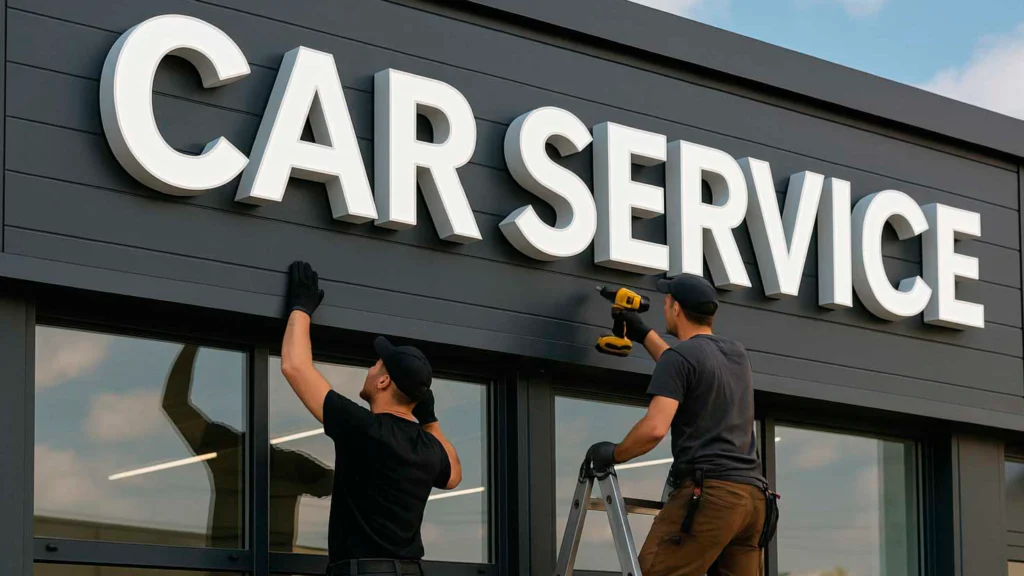
Installation and Ongoing Maintenance for Storefront Signs
Proper installation and a basic maintenance plan determine whether a well-designed, well-fabricated storefront sign delivers years of reliable performance or becomes a source of recurring problems. Several practical considerations apply across nearly every storefront signage installation.
Permitting and code compliance should be addressed before fabrication begins, not after a sign arrives ready to install. Most municipalities regulate commercial signage through specific ordinances covering maximum size, illumination type and brightness, placement setback from property lines, and in some cases design review for historic districts or planned commercial developments. A reputable storefront sign company will handle or at minimum advise on the permitting process as part of the project, since installing a non-compliant sign can result in forced removal and wasted fabrication cost. Always confirm permit requirements and approval timelines before committing to a hard installation date, particularly for projects tied to a grand opening or other fixed deadline.
Structural mounting assessment is essential before installation, especially for illuminated channel letters or larger dimensional signage that requires penetrating the building facade for electrical conduit and mounting hardware. The installer needs to confirm the facade material (masonry, EIFS, metal panel, wood) and verify that mounting hardware and anchoring methods are appropriate for that substrate and for the weight and wind load of the specific sign. For leased retail spaces, landlord approval and any restrictions on facade modification need to be confirmed in writing before installation, since unauthorized facade penetrations are a common source of disputes between tenants and landlords.
Electrical coordination is required for any illuminated storefront signage, and this should be planned in coordination with a licensed electrician early in the project rather than discovered as a problem during installation day. Confirm that adequate electrical capacity exists at the sign location, that any required disconnect switches or timers are specified correctly, and that conduit runs are planned to be as visually unobtrusive as possible given the building’s construction.
Ongoing maintenance for storefront signs is modest but not optional. Illuminated signs should be inspected periodically for burned-out LED modules or transformer issues, which left unaddressed create uneven or dark sections that undermine the sign’s effectiveness and reflect poorly on the business. Non-illuminated dimensional or panel signage should be inspected for coating damage, fading, or loose mounting hardware, particularly after severe weather events. Window and vinyl graphics typically need replacement every few years as UV exposure causes fading and edge lifting. Establishing a simple annual inspection routine – even a basic visual check from the parking lot – catches most developing problems before they become visible to customers or require costly emergency repair.
Frequently Asked Questions
What are storefront signs?
Storefront signs are exterior signs placed on the front of a business location, typically above or near the entrance, to display the business name, logo, and branding to potential customers. They are used to attract customer attention from the street or parking area, communicate brand identity, and help customers locate the correct business among neighboring storefronts. Storefront signage functions continuously as passive marketing, working around the clock to build visibility and recognition without ongoing cost per impression.
What types of storefront signs are available?
Common types include illuminated channel letters, 3D dimensional signs, LED and backlit panel signage, flat routed or painted panels, window and door vinyl graphics, and awning or blade signs. Each type suits different visibility needs, budgets, and building configurations – channel letters and LED signage excel at nighttime visibility, while 3D dimensional signs and flat panels can be more cost-effective for daytime-focused businesses. The right choice depends on your branding goals, visibility requirements, and budget.
How do I choose the best storefront sign?
Consider your location’s traffic patterns, visibility distance, hours of operation, lighting needs, and overall brand style before selecting a sign type and material. Businesses in busy areas, on fast-moving roads, or operating into evening hours generally benefit from illuminated or large-format signage that remains visible around the clock, while businesses in pedestrian-focused or well-lit daytime environments may achieve strong results with simpler, non-illuminated dimensional or panel signage. Defining these factors clearly before consulting a storefront sign company leads to a more efficient design process and a better-matched final sign.
Are storefront signs suitable for outdoor use?
Yes, storefront signs are specifically designed to withstand outdoor conditions and maintain their appearance over years of exposure to sun, rain, and temperature variation. Proper material selection – including UV-stabilized coatings on foam or acrylic, corrosion-resistant aluminum or stainless hardware, and weatherproof electrical components for illuminated signage – combined with correct installation ensures long-term durability. Signs that underperform outdoors typically suffer from inadequate material specification or improper installation rather than any inherent limitation of outdoor signage as a category.
Conclusion
The honest takeaway for any business choosing storefront signage is that the sign type and material matter less than how precisely they’re matched to your actual viewing conditions – traffic speed, distance, hours of operation, and building constraints. A modest, well-matched sign consistently outperforms an expensive sign chosen without that analysis. Take the time to define your specific visibility requirements before consulting a fabricator, confirm permitting and structural details before committing to an installation date, and build a simple maintenance habit once the sign is up. Get those fundamentals right, and your storefront sign will do exactly what it’s meant to do: turn passing attention into walking-in customers, day after day, with no ongoing cost per impression.

Read more

The Importance of Hard Coating in Outdoor Signage: How Polyurea Coating Transforms Foam Structures into Durable Signage
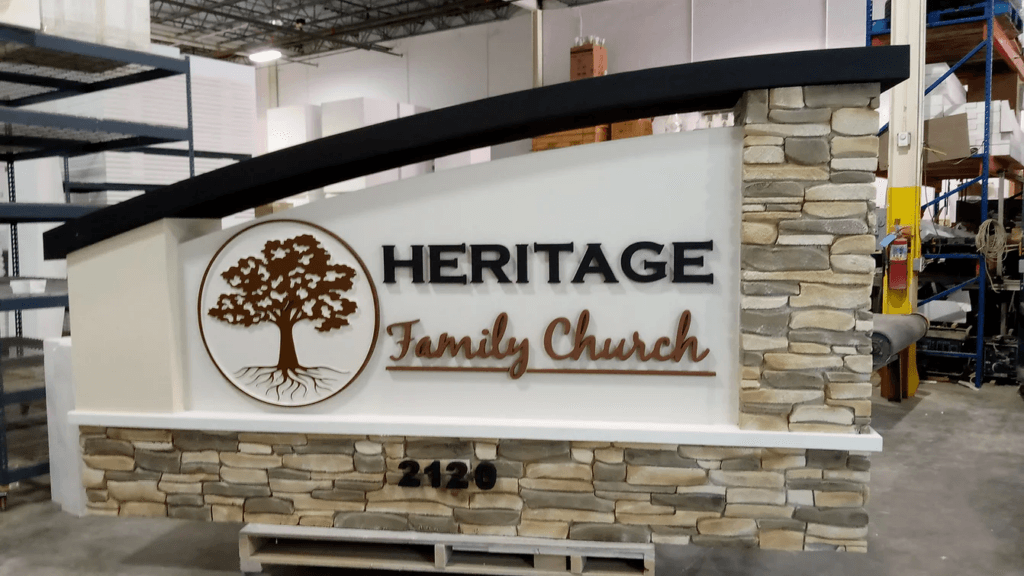
The Art of Imitation: How Faux Finishes Transform EPS Foam Into Stone, Metal & Wood

Beyond Traditional Materials: Why HDU Foam Is Replacing Wood and Stone in High-End Signage

The Hidden Science Behind High-Quality Foam Lettering & Dimensional Signage

Eco-Friendly Signage Solutions: Is HDU & EPS Foam the Sustainable Choice?

Why Lightweight Foam Monument Signs Are Ideal for Large-Scale Signage

The Importance of Proper Installation for Monument Signs

Foam vs. Metal Signs: Cost, Durability, and Aesthetic Considerations

The Importance of Proper Installation for Monument Signs

From One-Time WOW to Multi-Tour ROI
Recommended Articles
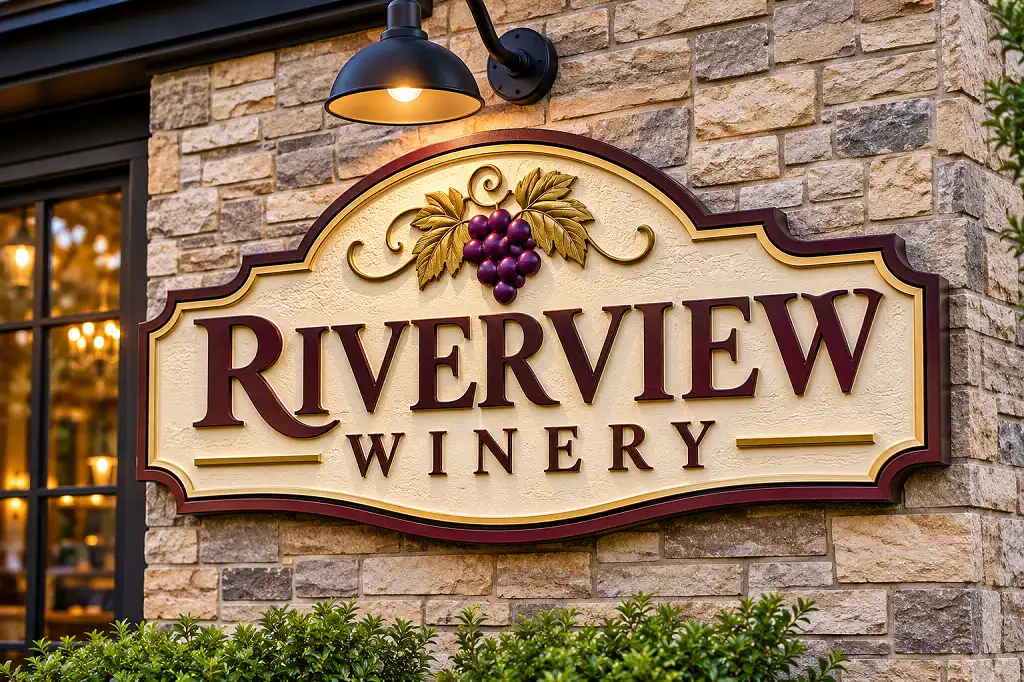
HDU Signs: What High-Density Urethane Foam Is and Why It’s a Premium Sign Choice
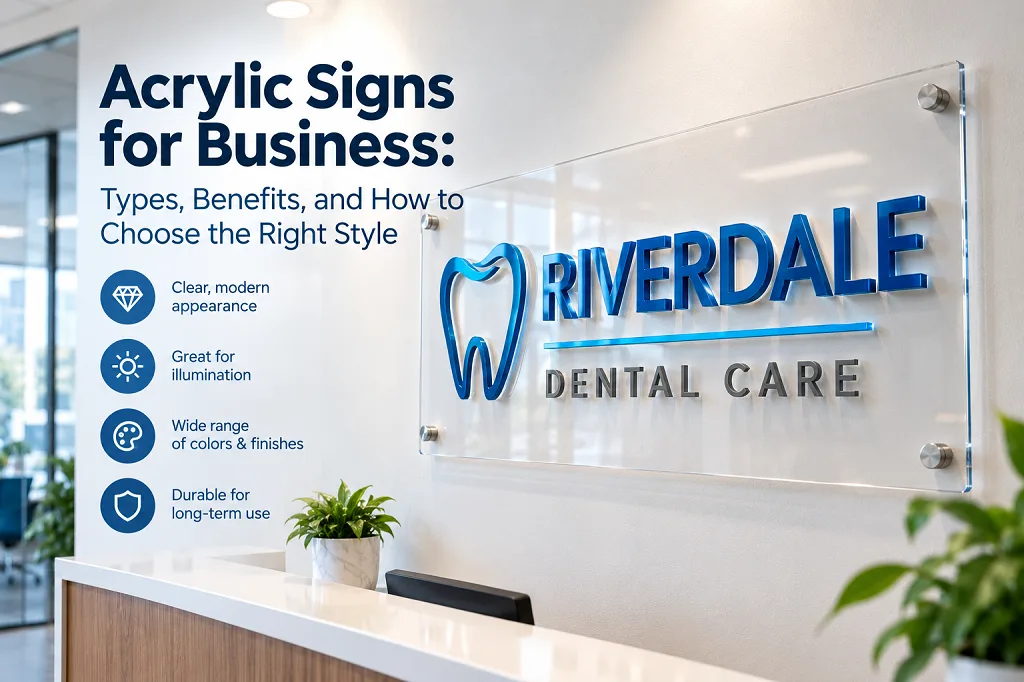
Acrylic Signs for Business: Types, Benefits, and How to Choose the Right Style
Industrial 3D Printing: Large-Scale Foam Prototypes, Models & Manufacturing Solutions
Molds for Stone Signs: The Foundation Behind Consistent Architectural Signage
Beyond the Booth: How Custom 3D Displays Make Brands Stand Out at Expos and Events
Sandblasted vs. Routed Signs: Which Is Right for Your Project?
Our customer reviews
Read more reviewsRead more reviews