Foam Sculptures: Turning Creative Concepts into Larger-Than-Life Reality
Quick Navigation
- When Scale Becomes Part of the Message
- The Journey from Sketch to Sculpture
- Why Foam Has Become a Preferred Sculptural Medium
- Product Replicas: Bringing Brands to Life
- Event Environments That Demand Attention
- Public Art and Community Installations
- Foam Sculptures in Retail Spaces
- Theme Parks, Attractions, and Entertainment Venues
- The Importance of Surface Finishes
- Designing for Durability
- The Social Media Effect
- Looking Toward the Future
- Conclusion
- Frequently Asked Questions
Every memorable environment starts with an idea.
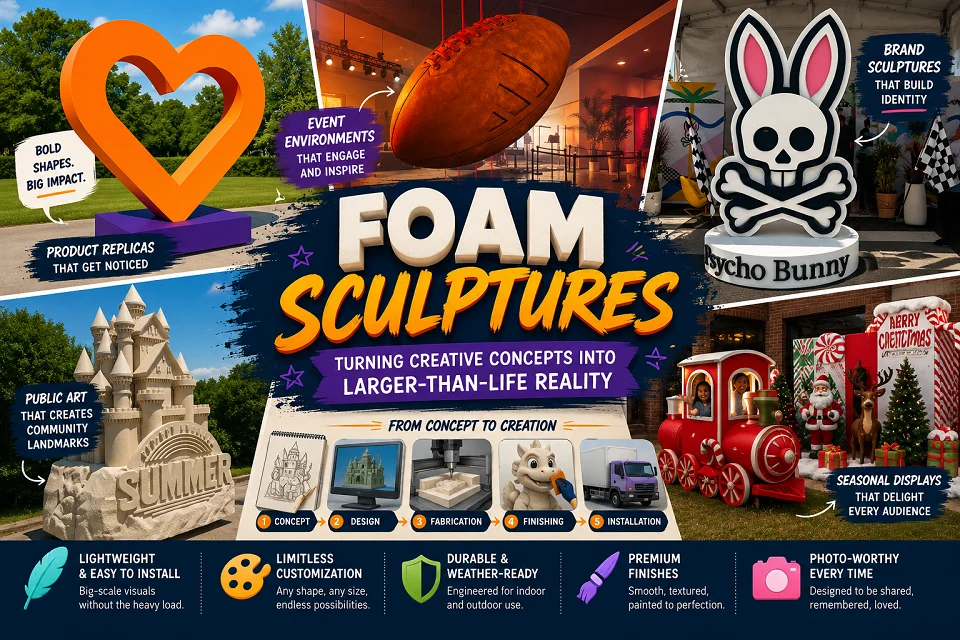
Sometimes it’s a giant product replica towering over a trade show floor. Sometimes it’s a larger-than-life mascot welcoming visitors to an event. Other times it’s an artistic centerpiece designed to stop people in their tracks and inspire conversation.
What all of these projects share is a common challenge: how do you transform a creative vision into a physical object that is visually impressive, structurally practical, and economically feasible?
Increasingly, the answer is foam sculpture fabrication.
From experiential marketing campaigns and themed attractions to retail displays, public art installations, branded environments, and architectural features, foam sculptures have become one of the most versatile tools available to designers, marketers, event planners, and fabricators.
Their ability to combine scale, customization, lightweight construction, and exceptional visual impact makes them uniquely suited for projects that demand attention.

When Scale Becomes Part of the Message
Think about some of the most photographed installations you’ve encountered.
A giant coffee cup outside a café.
A massive sneaker at a product launch.
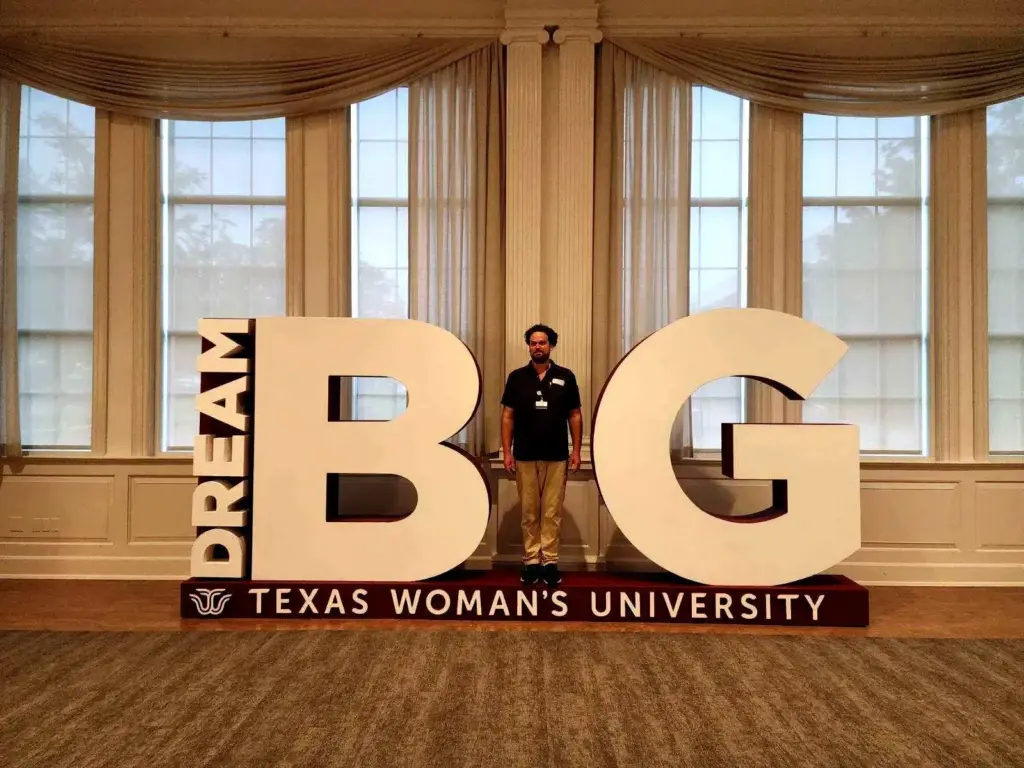
An oversized university mascot during homecoming week.
A towering decorative feature in a shopping center.
These installations work because size changes perception.
Objects that would normally go unnoticed suddenly become attractions.
People stop.
They take photos.
They share them online.
They remember them.
Foam sculpture fabrication makes these larger-than-life experiences possible without the structural and logistical challenges associated with traditional materials.
The Journey from Sketch to Sculpture
Many people see the finished sculpture but rarely consider the process behind it.
Every successful project typically begins with a simple concept.
A sketch.
A rendering.
A brand guideline.
A rough idea.
From there, designers and fabricators work together to transform imagination into a buildable structure.
The process often includes:
Concept Development
Defining the overall vision, purpose, scale, and audience.
Digital Modeling
Creating precise three-dimensional representations of the sculpture.
CNC Fabrication
Using advanced routing and cutting technology to produce highly accurate components.
Assembly and Finishing
Combining fabricated pieces and applying coatings, textures, and paint systems.
Installation
Transporting and positioning the final sculpture in its intended environment.
What begins as an idea gradually evolves into a physical experience.
Why Foam Has Become a Preferred Sculptural Medium
For decades, large-scale sculptures often required significant compromises.
Heavy materials increased transportation costs.
Complex shapes demanded extensive labor.
Installation became more difficult as size increased.
Foam fabrication changed the equation.
Modern foam materials provide an ideal combination of:
- Lightweight construction
- Exceptional design flexibility
- Large-scale capability
- Cost efficiency
- Fast production timelines
- Detailed customization
These advantages allow designers to pursue ambitious ideas that may otherwise be impractical.
Product Replicas: Bringing Brands to Life
One of the fastest-growing applications for foam sculptures is oversized product replication.
Imagine seeing:
- A ten-foot perfume bottle
- A giant smartphone
- A larger-than-life beverage can
- An oversized cosmetic product
- A massive athletic shoe
These installations create immediate visual impact while reinforcing brand recognition.
They transform everyday products into experiences.
At trade shows and promotional events, oversized replicas often become the most photographed elements in the entire venue.
That attention translates directly into increased visibility and audience engagement.
Event Environments That Demand Attention
Events compete for attention.
Whether it’s a convention, trade show, festival, product launch, or corporate gathering, every organizer wants visitors to remember the experience.
Custom foam sculptures provide opportunities to create:
Entrance Features
Large-scale sculptures that establish excitement before visitors even enter.
Interactive Photo Opportunities
Installations specifically designed for social sharing.
Themed Event Elements
Custom structures supporting a specific narrative or event concept.
Stage Enhancements
Three-dimensional scenic elements that elevate presentations and performances.
In many cases, these pieces become as memorable as the event itself.
Public Art and Community Installations
Foam sculptures aren’t limited to commercial applications.
Municipalities, universities, and community organizations increasingly utilize custom sculptural elements to create landmarks and gathering spaces.
Successful public installations often combine:
- Artistic creativity
- Community identity
- Visitor engagement
- Educational value
- Photo-friendly design
When thoughtfully executed, these projects contribute to a stronger sense of place and community connection.
Foam Sculptures in Retail Spaces
Retail environments continue evolving from transactional spaces into experiential destinations.
Today’s consumers expect more than products.
They expect experiences.
Custom sculptures help retailers create environments that encourage exploration, engagement, and sharing.
Popular applications include:
- Window displays
- Seasonal installations
- Brand activations
- Product showcases
- Interactive environments
These elements transform ordinary shopping trips into memorable experiences.
Theme Parks, Attractions, and Entertainment Venues
Few industries embrace sculptural fabrication more enthusiastically than themed entertainment.
Visitors expect immersive worlds filled with imaginative environments and larger-than-life experiences.
Foam sculptures help bring these worlds to life through:
- Character figures
- Scenic elements
- Fantasy environments
- Decorative landmarks
- Interactive attractions
Their lightweight construction makes installation and maintenance significantly more manageable while preserving creative freedom.
The Importance of Surface Finishes
The true magic of foam sculpture fabrication often happens during finishing.
Most visitors never realize a sculpture began as foam.
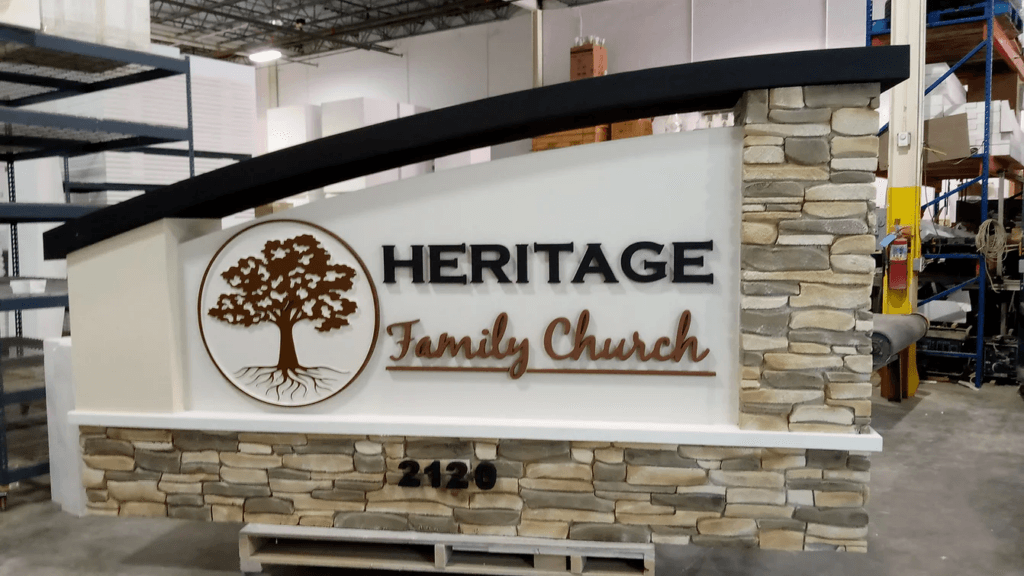
Advanced finishing techniques can replicate:
Stone
Architectural and decorative stone appearances.
Wood
Natural textures and grain patterns.
Metal
Industrial and metallic finishes.
Concrete
Modern architectural aesthetics.
Custom Artistic Effects
Virtually unlimited colors, textures, and visual treatments.
These finishing systems dramatically expand design possibilities and allow foam sculptures to integrate seamlessly into a wide variety of environments.
Designing for Durability
A sculpture’s visual impact is important.
Its longevity is equally critical.
Professional fabrication considers:
- Environmental exposure
- UV resistance
- Moisture protection
- Structural requirements
- Transportation considerations
- Installation methods
By addressing these factors early in development, fabricators help ensure sculptures remain visually impressive long after installation.
The Social Media Effect
The rise of social media has fundamentally changed how organizations think about visual experiences.
Today’s installations are often evaluated by a simple question:
“Will people take pictures with it?”
Foam sculptures excel because they naturally encourage interaction.
People photograph them because they are:
- Unexpected
- Oversized
- Playful
- Creative
- Visually striking
Every shared image extends the reach of the installation far beyond its physical location.
Looking Toward the Future
As fabrication technology continues advancing, the possibilities for custom foam sculptures continue expanding.
Emerging trends include:
- Interactive installations
- Integrated lighting systems
- Sustainable fabrication approaches
- Larger and more complex structures
- Hybrid material applications
- Immersive experiential environments
The line between sculpture, branding, architecture, and entertainment continues to blur.
This convergence is creating exciting opportunities for designers, organizations, and communities seeking new ways to engage audiences.
Conclusion
Foam sculptures represent far more than decorative objects.
They are storytelling tools.
Marketing assets.
Community landmarks.
Experiential attractions.
Creative statements.
By combining imagination with advanced fabrication techniques, foam sculptures allow organizations to transform ambitious ideas into tangible experiences that capture attention, inspire engagement, and leave lasting impressions.
Whether serving as a product replica, artistic installation, themed attraction, or experiential centerpiece, a well-designed foam sculpture proves that sometimes the biggest ideas deserve to be built at an equally impressive scale.
Frequently Asked Questions
What are foam sculptures typically used for?
Foam sculptures are commonly used for events, trade shows, retail displays, themed attractions, public art installations, marketing campaigns, and branded environments.
Can foam sculptures be made in large sizes?
Yes. Foam fabrication is particularly well-suited for oversized projects because the material remains lightweight even at substantial dimensions.
Are foam sculptures durable enough for outdoor use?
With appropriate coatings and finishing systems, many foam sculptures can be engineered for long-term outdoor applications.
Can foam replicate other materials?
Absolutely. Professional finishing techniques can create appearances that closely resemble stone, wood, metal, concrete, and many other materials.
Why are foam sculptures popular for experiential marketing?
They create strong visual impact, encourage social sharing, support brand storytelling, and allow organizations to build large-scale installations efficiently and cost-effectively.

Read more

The Importance of Hard Coating in Outdoor Signage: How Polyurea Coating Transforms Foam Structures into Durable Signage
The Art of Imitation: How Faux Finishes Transform EPS Foam Into Stone, Metal & Wood

Beyond Traditional Materials: Why HDU Foam Is Replacing Wood and Stone in High-End Signage
The Hidden Science Behind High-Quality Foam Lettering & Dimensional Signage
Eco-Friendly Signage Solutions: Is HDU & EPS Foam the Sustainable Choice?

Why Lightweight Foam Monument Signs Are Ideal for Large-Scale Signage

The Importance of Proper Installation for Monument Signs

Foam vs. Metal Signs: Cost, Durability, and Aesthetic Considerations

The Importance of Proper Installation for Monument Signs

From One-Time WOW to Multi-Tour ROI
Recommended Articles
HDU Signs: What High-Density Urethane Foam Is and Why It’s a Premium Sign Choice

Acrylic Signs for Business: Types, Benefits, and How to Choose the Right Style
Industrial 3D Printing: Large-Scale Foam Prototypes, Models & Manufacturing Solutions
Molds for Stone Signs: The Foundation Behind Consistent Architectural Signage
Beyond the Booth: How Custom 3D Displays Make Brands Stand Out at Expos and Events
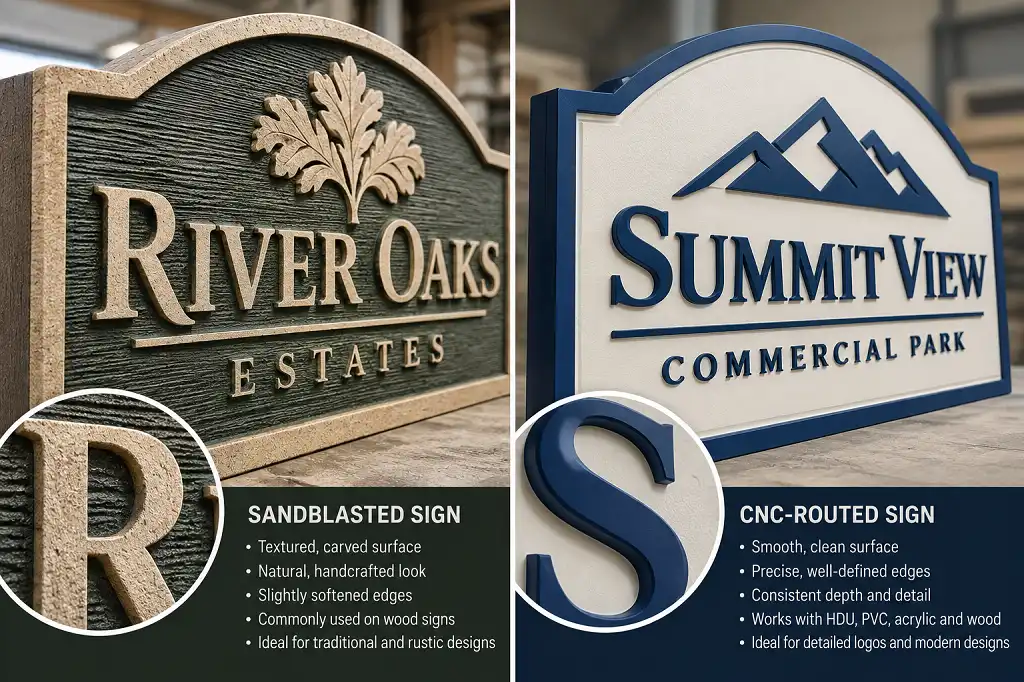
Sandblasted vs. Routed Signs: Which Is Right for Your Project?
Our customer reviews
Read more reviewsRead more reviews