Creating Memorable Experiences Through Large-Scale Fabrication
In today’s event industry, attendees expect more than banners, printed signs, and standard decorations. Whether it’s a corporate event, trade show, product launch, convention, festival, grand opening, brand activation, wedding, sporting event, or experiential marketing campaign, successful events are built around memorable visual experiences.
Event props and decor have become one of the most effective ways to transform ordinary venues into immersive environments that capture attention, encourage interaction, and strengthen brand engagement. Large-scale decorative elements create focal points, define event spaces, support storytelling, and provide the visual impact that guests remember long after the event ends.
Modern event fabrication goes far beyond traditional decorating. Today’s event planners, marketing agencies, production companies, and brand managers increasingly use custom-built dimensional structures to create unique experiences that stand out in a highly competitive environment.
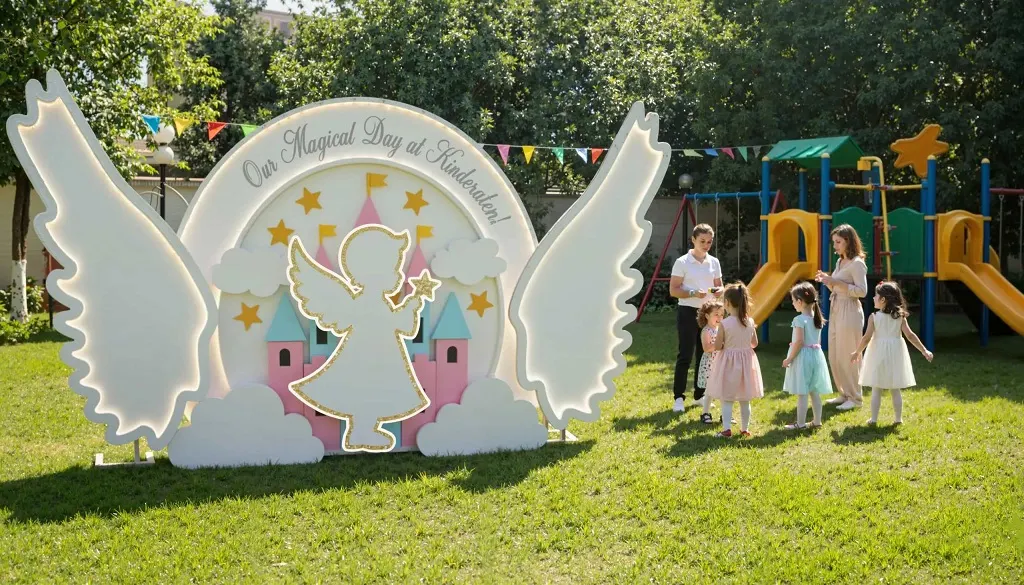
Event props and decor are commonly used for:
- Corporate events
- Trade shows
- Product launches
- Brand activations
- Conferences
- Festivals
- Sporting events
- Weddings
- Fundraisers
- Hospitality events
- Experiential marketing campaigns
- Seasonal celebrations
The primary goal of event fabrication is to create visual impact while maintaining practical installation, transportation, and budget requirements. This is why lightweight construction has become such an important part of the industry.
Using 1 lb density EPS foam allows large decorative elements to be fabricated at impressive scales without introducing excessive weight. Combined with a durable polyurea hardcoat, these structures can withstand transportation, handling, installation, and repeated use while maintaining a professional appearance.
One of the greatest advantages of foam fabrication is creative freedom. Event props can be produced in virtually any shape, size, or theme. Unlike traditional construction materials that often impose structural limitations, foam fabrication allows designers to focus on creativity first and engineering second.
Common event props include:
- Oversized product replicas
- Decorative letters and logos
- Themed sculptures
- Branded displays
- Stage decor
- Architectural replicas
- Seasonal decorations
- Custom backdrops
- Interactive installations
- Event centerpieces
- Landmark photo opportunities
- Themed environmental elements
Every successful event installation begins with design and engineering. Event environments often involve tight schedules, limited installation windows, transportation restrictions, and venue-specific requirements. Proper planning ensures that decorative elements can be delivered, assembled, and installed efficiently.
The fabrication process typically starts with digital design and production planning. Dimensions, structural requirements, assembly methods, transportation logistics, and installation procedures are all evaluated before manufacturing begins.
Once approved, components are shaped using precision CNC equipment capable of producing highly accurate three-dimensional forms. This technology allows event props to replicate complex branding elements, logos, architectural details, characters, and custom shapes with exceptional consistency.
After shaping, the components receive a polyurea hardcoat. This protective layer is one of the most important parts of the fabrication process because event props often experience repeated handling and transportation.
The polyurea hardcoat helps protect against:
- Surface wear
- Transportation damage
- Moisture exposure
- UV exposure
- Minor impacts
- Installation handling
This durability allows props to be reused across multiple events, significantly increasing their long-term value.
One of the most important trends in the event industry is the creation of photo-worthy environments. Attendees naturally gravitate toward large, visually impressive installations. As a result, event props often become some of the most photographed features within a venue.
Examples include:
- Giant branded logos
- Oversized letters
- Interactive sculptures
- Product displays
- Themed landmarks
- Custom scenic environments
These installations encourage social media sharing, extending the reach of the event far beyond the physical location itself.
From a marketing perspective, event props function as more than decorations. They become active branding tools that reinforce messaging, increase visibility, and support audience engagement. A well-designed prop can communicate brand identity instantly without requiring additional explanation.
Large-scale event decor is also highly effective for space transformation. Ballrooms, convention centers, exhibition halls, outdoor venues, and corporate spaces can be completely reimagined through custom fabrication. Decorative structures help define pathways, create focal points, establish themes, and guide attendee experiences throughout the event.
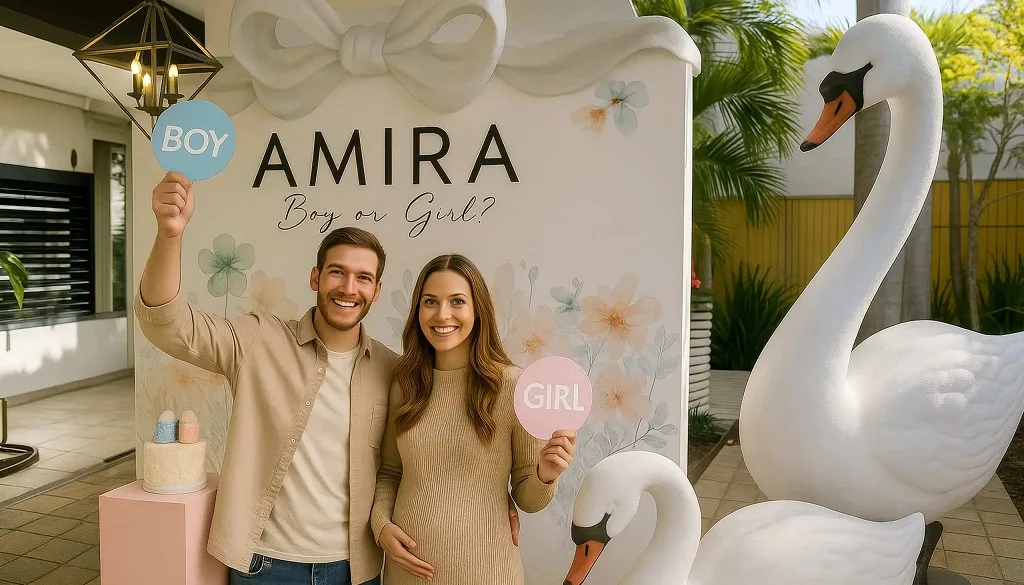
Another major advantage of foam fabrication is installation efficiency. Because the structures remain lightweight, setup crews can move, position, and assemble large elements more easily than traditional construction materials would allow. This is especially important for events operating under tight production schedules.
Scalability is equally important. Event props can range from small tabletop elements to massive installations spanning dozens of feet. This flexibility allows event organizers to create visual experiences that match both the venue size and marketing objectives.
For recurring events, reusable fabrication provides significant value. Durable construction allows decorative elements to be stored, transported, and redeployed across multiple activations, reducing long-term production costs while maintaining visual consistency.
Safety is another critical consideration. Lightweight structures reduce handling risks and simplify installation logistics. Proper engineering ensures that decorative elements remain stable and secure throughout the event while maintaining the desired visual impact.
As experiential marketing continues to grow, audiences increasingly expect events to provide immersive and visually engaging environments. Custom event props and decor help meet those expectations by turning ordinary spaces into memorable experiences that encourage interaction and strengthen brand connections.
For event producers, marketing agencies, production companies, corporate brands, hospitality operators, and venue managers, custom fabricated event props provide a practical way to combine creativity, scale, durability, and visual impact into installations that leave a lasting impression on attendees.
FAQ
What are custom event props and decor?
Custom event props and decor are fabricated three-dimensional elements designed to enhance the visual appeal of an event. They help create immersive environments that attract attention and support event themes or branding.
What types of events use custom-fabricated props?
They are commonly used for trade shows, corporate events, product launches, festivals, weddings, conferences, brand activations, and experiential marketing campaigns. They can be tailored to virtually any venue or event concept.
Why is EPS foam a popular material for event props?
EPS foam is lightweight, easy to shape, and ideal for producing large-scale decorative elements. A durable polyurea hardcoat adds protection against wear, transportation, and repeated use.
Can event props be reused for future events?
Yes. Professionally fabricated props are built for durability and can often be stored, transported, and reused across multiple events, helping reduce long-term production costs.
How do custom event props improve attendee engagement?
Large, visually striking installations encourage guests to explore, interact, and take photos. These memorable experiences often increase social media sharing and strengthen brand visibility.
Are large event props easy to transport and install?
Despite their impressive size, lightweight foam construction makes transportation and installation much more efficient than traditional materials. Proper engineering also ensures the structures remain safe and stable throughout the event.

Read more

The Importance of Hard Coating in Outdoor Signage: How Polyurea Coating Transforms Foam Structures into Durable Signage
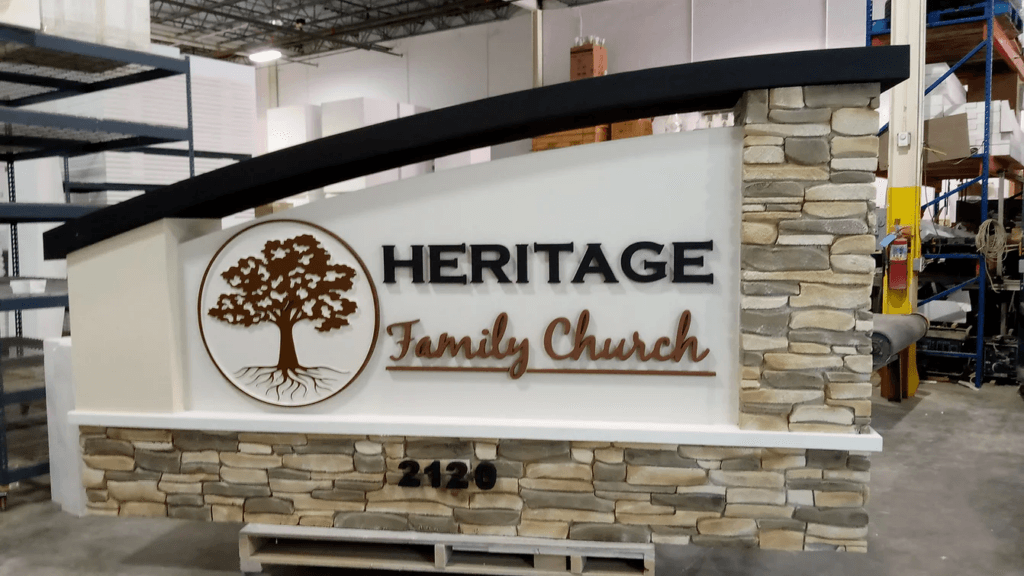
The Art of Imitation: How Faux Finishes Transform EPS Foam Into Stone, Metal & Wood

Beyond Traditional Materials: Why HDU Foam Is Replacing Wood and Stone in High-End Signage
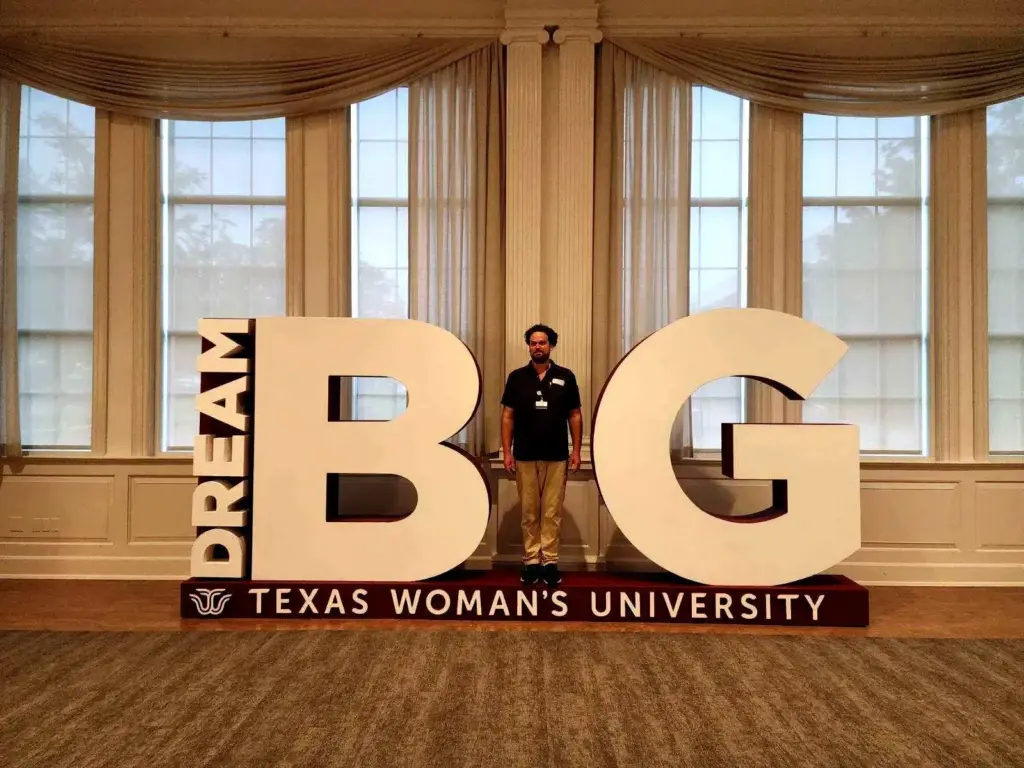
The Hidden Science Behind High-Quality Foam Lettering & Dimensional Signage
Eco-Friendly Signage Solutions: Is HDU & EPS Foam the Sustainable Choice?

Why Lightweight Foam Monument Signs Are Ideal for Large-Scale Signage

The Importance of Proper Installation for Monument Signs

Foam vs. Metal Signs: Cost, Durability, and Aesthetic Considerations

The Importance of Proper Installation for Monument Signs

From One-Time WOW to Multi-Tour ROI
Recommended Articles
HDU Signs: What High-Density Urethane Foam Is and Why It’s a Premium Sign Choice
Acrylic Signs for Business: Types, Benefits, and How to Choose the Right Style
Industrial 3D Printing: Large-Scale Foam Prototypes, Models & Manufacturing Solutions
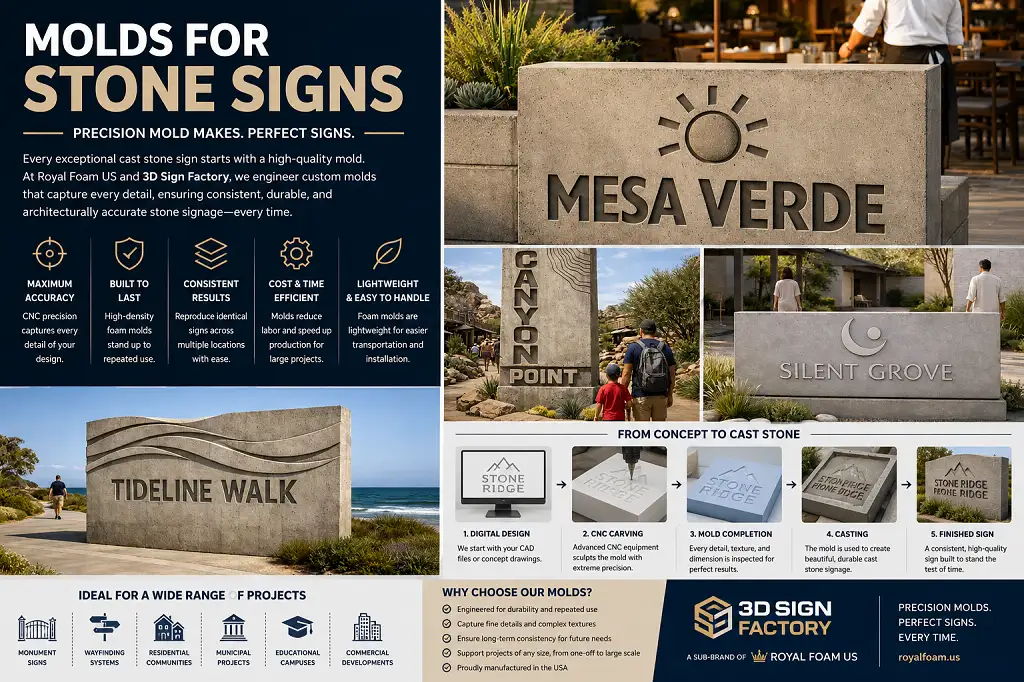
Molds for Stone Signs: The Foundation Behind Consistent Architectural Signage
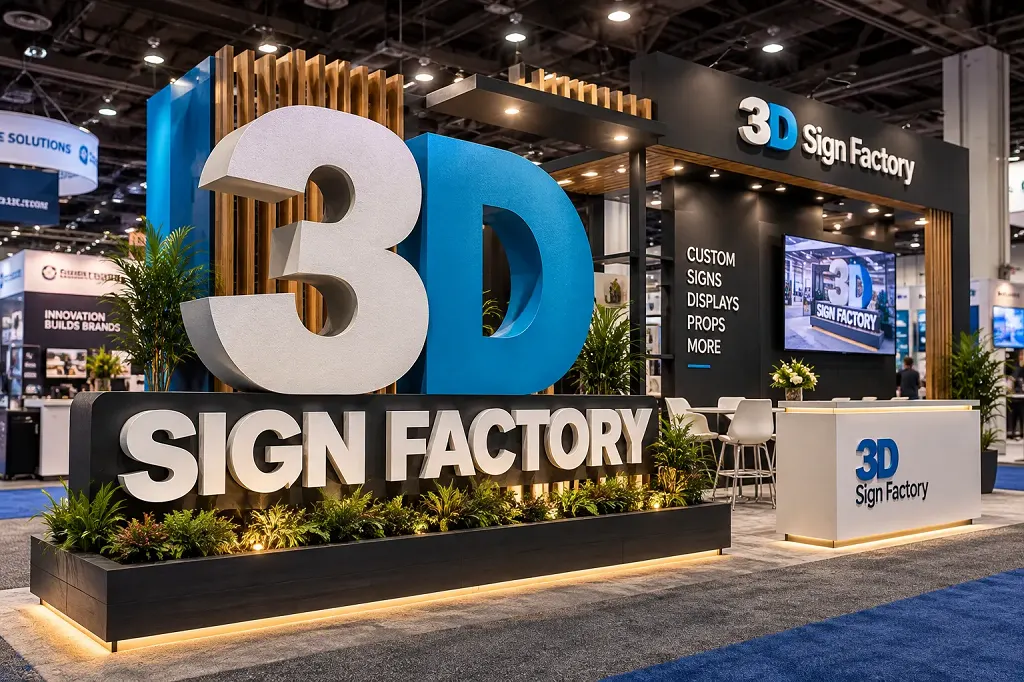
Beyond the Booth: How Custom 3D Displays Make Brands Stand Out at Expos and Events
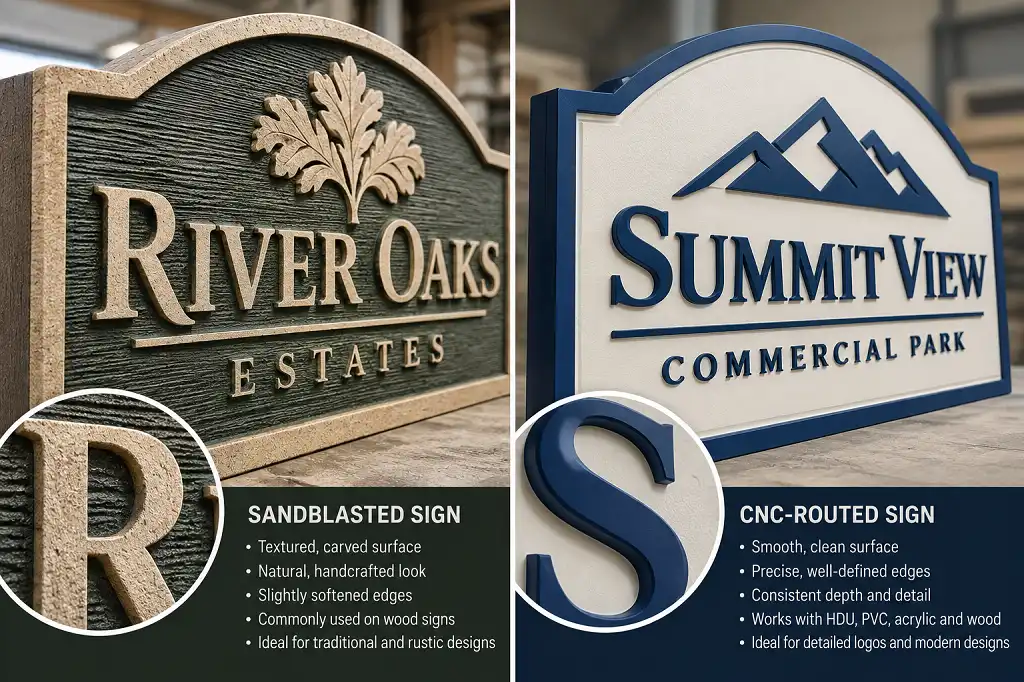
Sandblasted vs. Routed Signs: Which Is Right for Your Project?
Our customer reviews
Read more reviewsRead more reviews