Bringing Large-Scale Creative Concepts to Life with Lightweight Engineering
Foam sculptures have become one of the most versatile fabrication solutions for creating large-scale visual experiences across commercial, entertainment, architectural, and promotional environments. From themed attractions and corporate branding to event displays, public art, trade shows, museums, and experiential marketing campaigns, foam sculpture fabrication allows virtually any concept to be transformed into a three-dimensional reality.
In today’s experience-driven market, businesses and organizations are constantly searching for ways to capture attention and create memorable interactions. Traditional signage and graphics often serve an important purpose, but sculptural elements add an entirely different level of engagement. A well-designed sculpture becomes more than an object—it becomes a destination, a conversation piece, and often a focal point for photography and social sharing.

One of the biggest challenges in large-scale sculpture fabrication is balancing size, structural practicality, transportation, and installation requirements. Materials such as concrete, stone, metal, and wood can quickly become expensive, difficult to transport, and complicated to install as projects increase in scale.
This is where EPS foam fabrication offers a significant advantage.
Using 1 lb density EPS foam allows sculptural elements to be manufactured at virtually any size while maintaining lightweight construction. Complex forms that would otherwise require extensive structural engineering can often be fabricated more efficiently while still achieving impressive visual impact.
Foam sculptures are commonly used for:
- Theme parks
- Museums
- Trade shows
- Corporate events
- Retail displays
- Resorts and hospitality properties
- Public art installations
- Seasonal attractions
- Experiential marketing campaigns
- Educational environments
- Entertainment venues
- Brand activations
The fabrication process begins with concept development and digital engineering. Unlike traditional signage projects, sculptures often involve organic shapes, custom forms, characters, architectural elements, or artistic features that require advanced planning before production begins.
Scale, proportions, viewing angles, structural requirements, transportation logistics, and installation conditions must all be considered during the design phase. This planning stage is essential because sculptural projects often become centerpieces within their environment.
Once engineering is complete, the sculpture is shaped from EPS foam using precision CNC equipment. Digital fabrication technology allows highly accurate reproduction of complex forms while maintaining consistency throughout the manufacturing process.
One of the major advantages of CNC fabrication is the ability to produce intricate details at large scales. Curves, textures, relief features, dimensional transitions, and sculptural contours can all be reproduced with exceptional precision.
After shaping, the sculpture receives a polyurea hardcoat. This protective exterior layer plays a critical role in both durability and appearance. The polyurea hardcoat creates a strong shell capable of withstanding handling, transportation, installation, and long-term environmental exposure.
The hardcoat helps protect the sculpture from:
- Moisture
- UV exposure
- Surface wear
- Minor impacts
- Transportation damage
- Outdoor weather conditions
This allows foam sculptures to function not only as temporary displays but also as permanent architectural or artistic installations.
One of the most significant advantages of foam sculpture fabrication is design freedom. Because EPS foam can be shaped into virtually any form, sculptural projects are not limited by traditional construction methods.
Common applications include:
- Oversized product replicas
- Corporate mascots
- Animals
- Historical recreations
- Architectural features
- Themed environments
- Decorative landmarks
- Custom characters
- Interactive installations
- Public art pieces
Large-scale sculptures that would be extremely difficult or expensive to create using conventional materials can often be produced more efficiently through foam fabrication.
Weight reduction is another major engineering benefit. Large sculptures frequently need to be transported across long distances or installed in locations with structural limitations. Lightweight foam construction significantly simplifies these challenges while reducing freight and handling costs.
Installation flexibility is equally important. Foam sculptures can be:
- Freestanding
- Mounted to structures
- Integrated into landscapes
- Installed indoors
- Installed outdoors
- Combined with lighting
- Incorporated into event staging
- Used as architectural focal points
This versatility allows sculptures to adapt to a wide range of environments and project requirements.
From a marketing perspective, foam sculptures create exceptional visual engagement. People are naturally drawn to large-scale three-dimensional objects, especially when they feature unique shapes, recognizable characters, or interactive elements.
As a result, sculptures often become:
- Photo opportunities
- Social media attractions
- Event centerpieces
- Brand awareness tools
- Visitor engagement features
In many cases, the sculpture itself becomes one of the most memorable aspects of the environment.
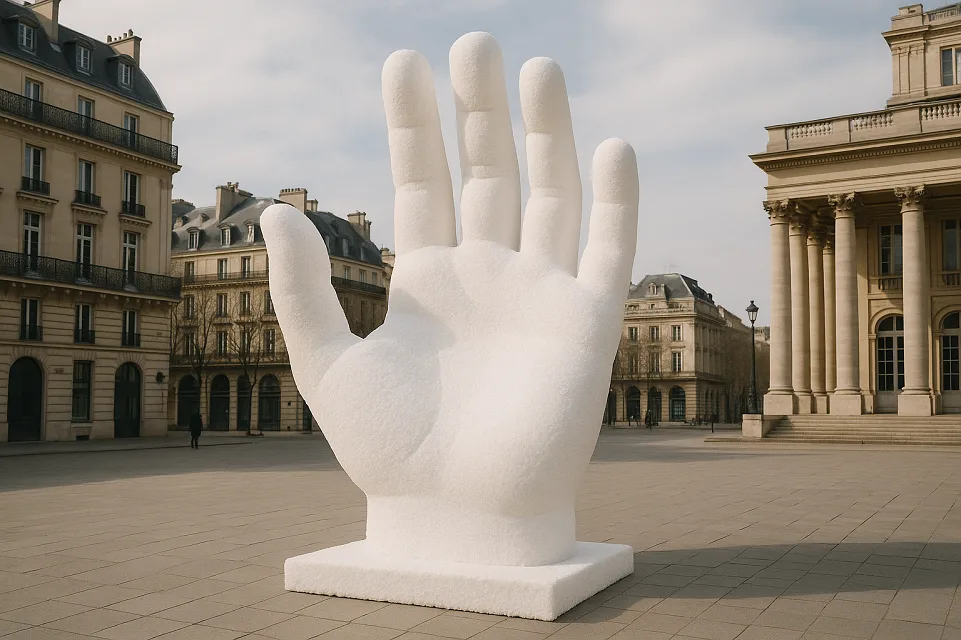
Durability remains a critical consideration throughout the fabrication process. Sculptures intended for public interaction, outdoor display, or long-term installation must maintain structural integrity and visual quality over time. Proper engineering, fabrication, and polyurea hardcoat application all contribute to long-term performance.
Another major advantage is scalability. Foam sculpture fabrication can accommodate projects ranging from small decorative pieces to massive installations spanning dozens of feet in height or width. This allows designers, architects, and event planners to pursue ambitious concepts without being constrained by excessive weight or construction complexity.
Economically, foam sculptures also offer practical benefits. Lightweight fabrication reduces transportation expenses, simplifies installation, and allows large-scale visual experiences to be created more efficiently than many traditional construction methods.
As experiential design continues to influence architecture, entertainment, retail, hospitality, and public spaces, the demand for custom sculptural fabrication continues to grow. Organizations increasingly seek visually compelling features that create emotional connections and memorable experiences.
Foam sculptures provide a powerful solution by combining creative freedom, large-scale visual impact, lightweight engineering, and durable construction into a fabrication method capable of bringing virtually any concept to life.
For sign companies, architects, developers, event producers, artists, museums, and branding agencies, foam sculpture fabrication offers an effective way to transform ideas into dimensional landmarks that capture attention, inspire engagement, and create lasting impressions.
FAQ
What are foam sculptures used for?
Foam sculptures are used for theme parks, museums, corporate events, retail displays, public art, trade shows, and experiential marketing campaigns. They create eye-catching visual features that enhance visitor engagement.
Why is EPS foam a popular material for custom sculptures?
EPS foam is lightweight, easy to shape, and ideal for producing large, detailed sculptures. It also reduces transportation and installation costs compared to many traditional materials.
Can foam sculptures be installed outdoors?
Yes. A durable polyurea hardcoat protects foam sculptures from moisture, UV exposure, surface wear, and outdoor weather, making them suitable for long-term exterior installations.
What types of custom foam sculptures can be fabricated?
Foam sculptures can be created as animals, mascots, architectural features, oversized product replicas, themed decorations, public art, custom characters, and many other unique designs.
Are foam sculptures durable enough for permanent installations?
Yes. When properly engineered and finished with a protective hardcoat, foam sculptures are designed to withstand transportation, public interaction, and long-term environmental exposure.
What are the advantages of custom foam sculptures over traditional materials?
Foam sculptures offer greater design flexibility, lower weight, easier installation, and more cost-effective production. They also make it possible to create large-scale visual installations that would be difficult or expensive to build with conventional materials.

Read more

The Importance of Hard Coating in Outdoor Signage: How Polyurea Coating Transforms Foam Structures into Durable Signage
The Art of Imitation: How Faux Finishes Transform EPS Foam Into Stone, Metal & Wood

Beyond Traditional Materials: Why HDU Foam Is Replacing Wood and Stone in High-End Signage
The Hidden Science Behind High-Quality Foam Lettering & Dimensional Signage
Eco-Friendly Signage Solutions: Is HDU & EPS Foam the Sustainable Choice?

Why Lightweight Foam Monument Signs Are Ideal for Large-Scale Signage

The Importance of Proper Installation for Monument Signs

Foam vs. Metal Signs: Cost, Durability, and Aesthetic Considerations

The Importance of Proper Installation for Monument Signs

From One-Time WOW to Multi-Tour ROI
Recommended Articles
HDU Signs: What High-Density Urethane Foam Is and Why It’s a Premium Sign Choice

Acrylic Signs for Business: Types, Benefits, and How to Choose the Right Style
Industrial 3D Printing: Large-Scale Foam Prototypes, Models & Manufacturing Solutions
Molds for Stone Signs: The Foundation Behind Consistent Architectural Signage
Beyond the Booth: How Custom 3D Displays Make Brands Stand Out at Expos and Events
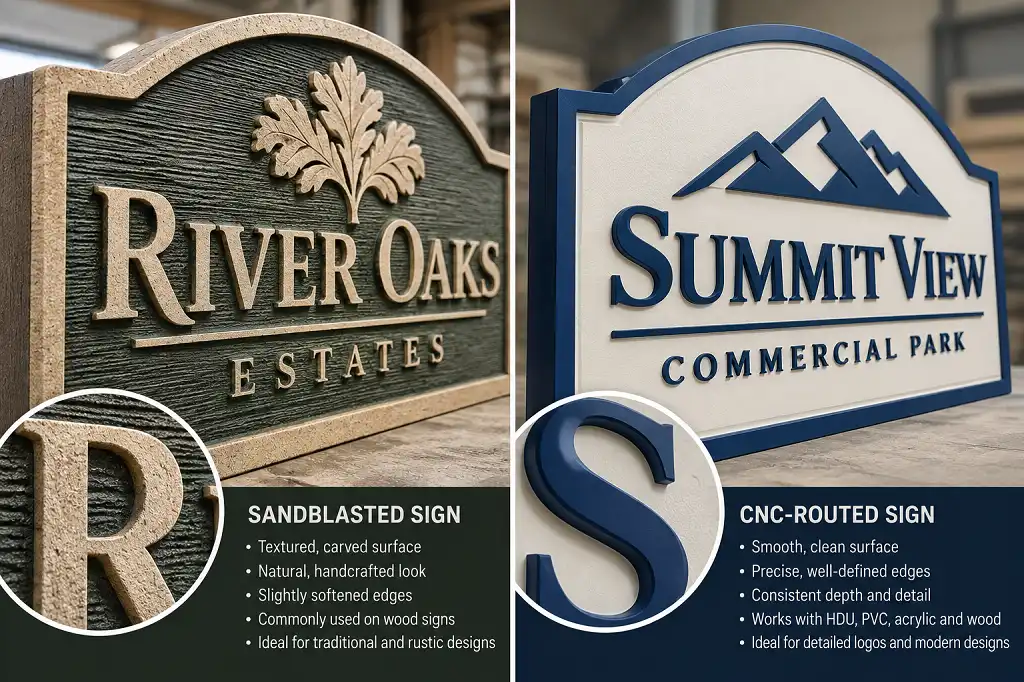
Sandblasted vs. Routed Signs: Which Is Right for Your Project?
Our customer reviews
Read more reviewsRead more reviews