Bringing Brands, Mascots, and Creative Concepts to Life Through Large-Scale Fabrication
Foam characters have become one of the most effective ways to create memorable visual experiences in entertainment, marketing, hospitality, education, retail, and themed environments. Whether designed as brand mascots, promotional figures, fictional characters, educational displays, event attractions, or custom sculptures, foam characters transform two-dimensional concepts into large-scale physical creations that immediately attract attention and encourage engagement.
In today’s experience-driven world, audiences are increasingly drawn to visual environments that are interactive, immersive, and shareable. A well-designed foam character does far more than decorate a space. It becomes a focal point, a photo opportunity, a storytelling element, and often one of the most memorable features of an entire event or property.

Foam characters are commonly used for:
- Brand mascots
- Theme parks
- Museums
- Corporate events
- Trade shows
- Retail displays
- Hospitality properties
- Educational environments
- Seasonal attractions
- Public art installations
- Marketing campaigns
- Experiential activations
One of the primary challenges in character fabrication is scale. Characters often need to be significantly larger than life to maximize visibility and create visual impact. Traditional materials such as wood, metal, fiberglass, or concrete can quickly become expensive, heavy, and difficult to transport when projects increase in size.
This is where EPS foam provides a significant advantage.
Using 1 lb density EPS foam allows fabricators to create large three-dimensional characters while maintaining lightweight construction. This makes transportation, installation, and structural support significantly more manageable compared to many traditional fabrication methods.
The fabrication process begins with concept development and engineering. Characters may originate from sketches, logos, illustrations, digital artwork, brand guidelines, or existing mascots. Before production begins, the design must be translated into a fully dimensional structure while preserving the character’s personality, proportions, and visual identity.
This stage often involves detailed planning of:
- Scale and proportions
- Viewing angles
- Structural requirements
- Transportation limitations
- Installation methods
- Surface detailing
- Environmental exposure
Proper engineering is critical because even small proportion changes can dramatically affect how recognizable a character appears once fabricated.
After design approval, the character is digitally prepared for production. CNC fabrication equipment is then used to shape the EPS foam into highly accurate three-dimensional forms. This technology allows complex contours, facial features, clothing details, accessories, and sculptural elements to be reproduced with exceptional precision.
One of the greatest advantages of CNC fabrication is consistency. Whether producing a single mascot or multiple identical characters for different locations, digital production allows accurate reproduction while maintaining the integrity of the original design.
Once shaped, the foam components receive a polyurea hardcoat. This protective layer is one of the most important parts of the manufacturing process because it transforms the lightweight foam core into a durable sculptural structure suitable for long-term use.
The polyurea hardcoat helps protect the character from:
- Moisture
- UV exposure
- Surface wear
- Transportation handling
- Minor impacts
- Outdoor weather conditions
This durability allows foam characters to be used for both temporary events and permanent installations.
One of the biggest strengths of foam character fabrication is creative flexibility. Characters can be produced in virtually any style, including:
- Cartoon characters
- Brand mascots
- Animals
- Historical figures
- Fantasy creatures
- Product mascots
- Educational figures
- Holiday characters
- Sports mascots
- Custom sculptures
Because the material is lightweight and easy to shape, designers are not limited by many of the constraints associated with traditional sculptural materials.
Large-scale characters are especially effective for branding and marketing applications. A three-dimensional mascot naturally attracts attention and creates a stronger emotional connection than standard signage or printed graphics. Visitors often interact with character displays, take photographs, and share those images online, increasing visibility and audience engagement.
This makes foam characters particularly valuable for:
- Retail promotions
- Product launches
- Corporate branding
- Theme parks
- Community events
- Tourism attractions
- Sports venues
- Children’s environments
In many cases, the character becomes the centerpiece of the entire experience.
Installation flexibility is another major advantage. Foam characters can be:
- Freestanding
- Mounted on bases
- Integrated into themed environments
- Combined with event decor
- Installed indoors
- Installed outdoors
- Used seasonally
- Incorporated into permanent attractions
This versatility allows the same fabrication techniques to support a wide variety of project types.
From a production standpoint, lightweight construction offers substantial logistical benefits. Large sculptures that might require specialized transportation or lifting equipment when fabricated from heavier materials can often be handled much more efficiently when produced using EPS foam.
Scalability is equally important. Foam characters can range from small promotional pieces to massive installations designed to dominate a venue or public space. This allows organizations to create visual experiences that match their objectives, budget, and available space.

Durability remains a critical consideration throughout the fabrication process. Proper engineering, polyurea hardcoat application, and finishing techniques all contribute to maintaining appearance and structural integrity over time. A professionally fabricated character should withstand transportation, installation, public interaction, and environmental exposure while retaining its visual appeal.
Economically, foam character fabrication provides an efficient way to create large-scale sculptural elements without the significant costs associated with heavier construction materials. Reduced weight lowers freight expenses, simplifies installation, and allows ambitious creative concepts to be produced more practically.
As experiential marketing, themed entertainment, and destination-based design continue to grow, foam characters have become increasingly important tools for creating memorable environments and strengthening audience engagement.
For sign companies, marketing agencies, theme parks, museums, event producers, schools, retailers, and hospitality operators, foam characters offer a powerful combination of creative freedom, lightweight engineering, durability, and visual impact capable of transforming ideas into engaging three-dimensional experiences.

Read more

The Importance of Hard Coating in Outdoor Signage: How Polyurea Coating Transforms Foam Structures into Durable Signage
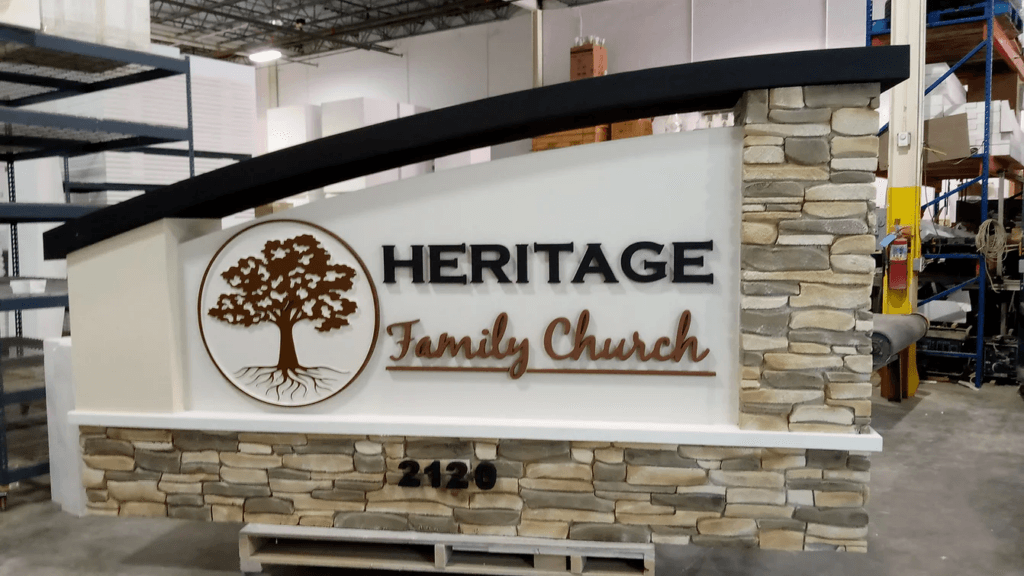
The Art of Imitation: How Faux Finishes Transform EPS Foam Into Stone, Metal & Wood

Beyond Traditional Materials: Why HDU Foam Is Replacing Wood and Stone in High-End Signage
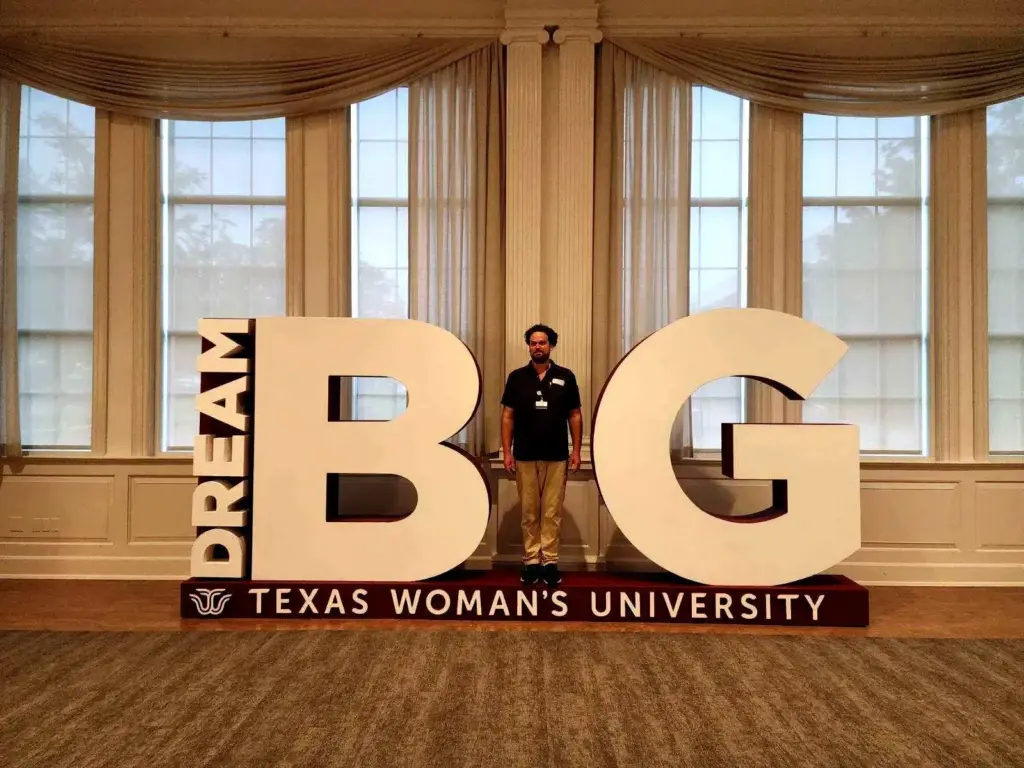
The Hidden Science Behind High-Quality Foam Lettering & Dimensional Signage
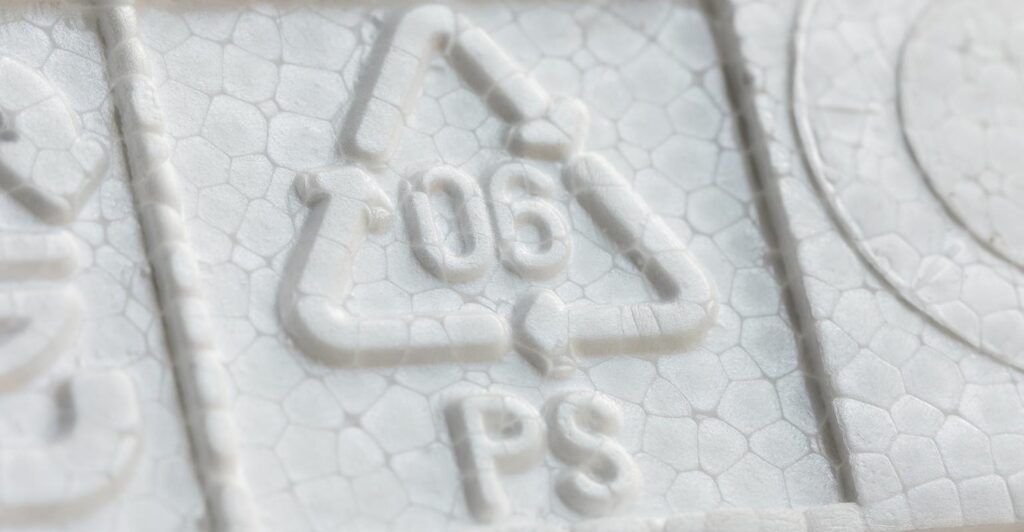
Eco-Friendly Signage Solutions: Is HDU & EPS Foam the Sustainable Choice?

Why Lightweight Foam Monument Signs Are Ideal for Large-Scale Signage

The Importance of Proper Installation for Monument Signs

Foam vs. Metal Signs: Cost, Durability, and Aesthetic Considerations

The Importance of Proper Installation for Monument Signs

From One-Time WOW to Multi-Tour ROI
Recommended Articles
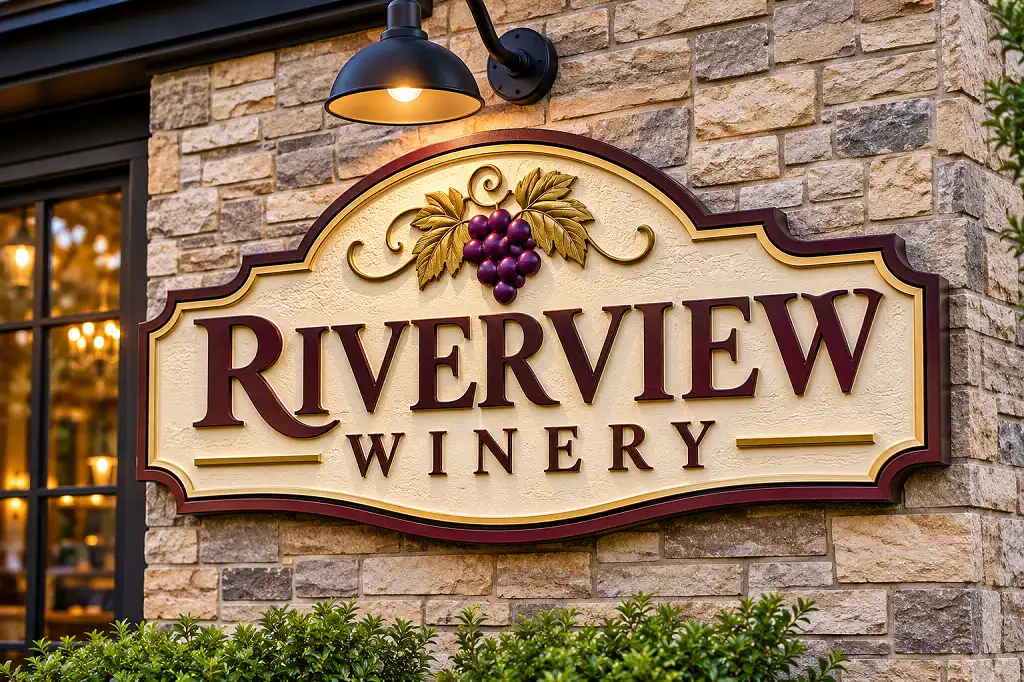
HDU Signs: What High-Density Urethane Foam Is and Why It’s a Premium Sign Choice
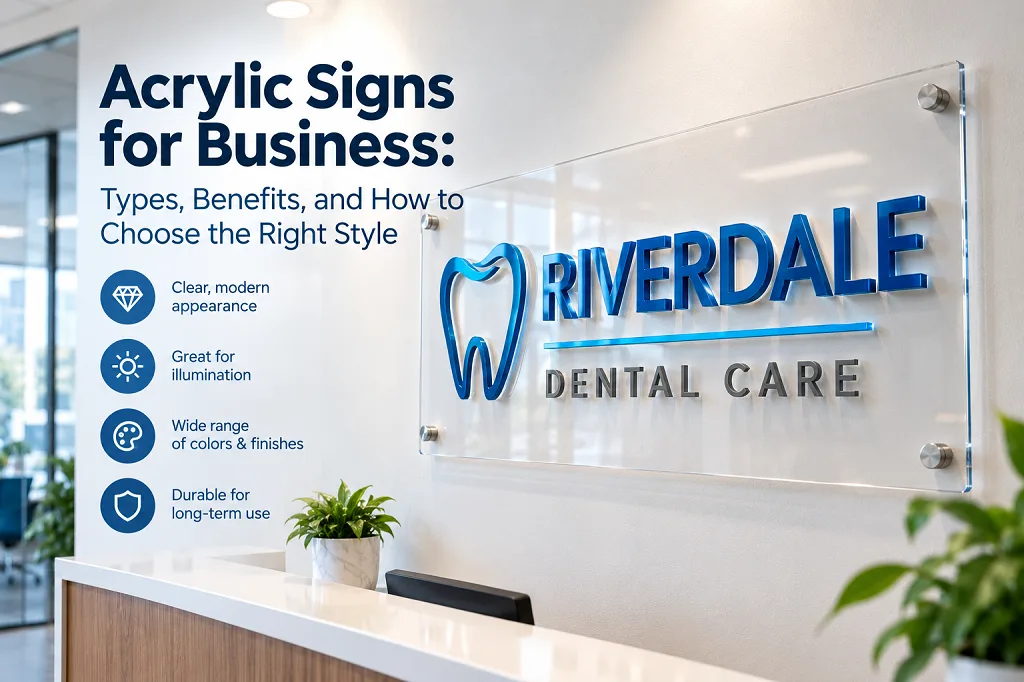
Acrylic Signs for Business: Types, Benefits, and How to Choose the Right Style
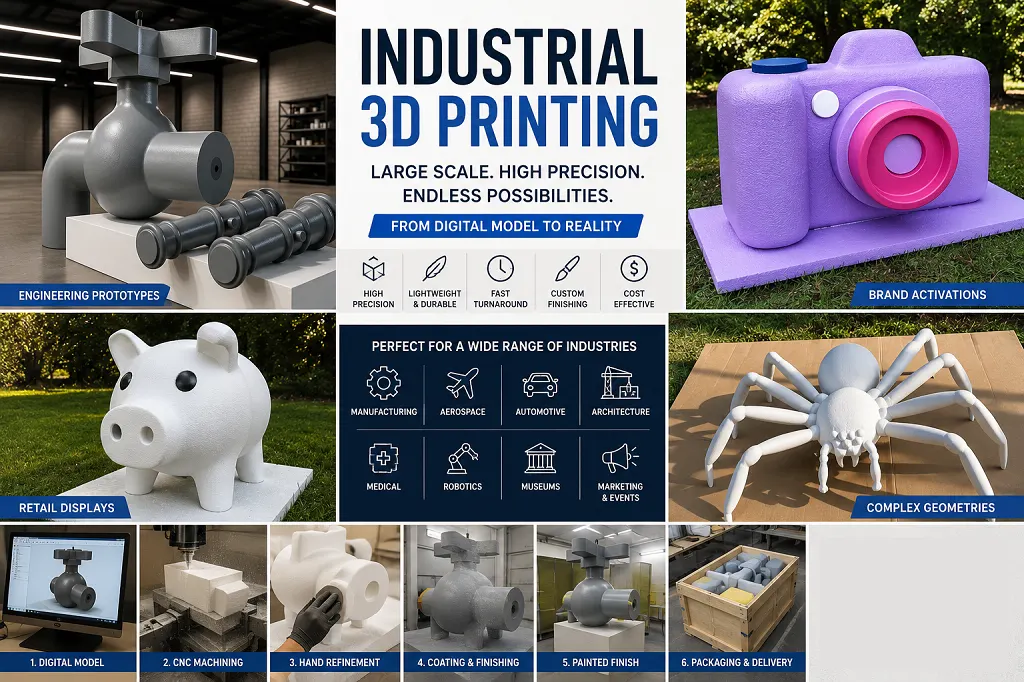
Industrial 3D Printing: Large-Scale Foam Prototypes, Models & Manufacturing Solutions
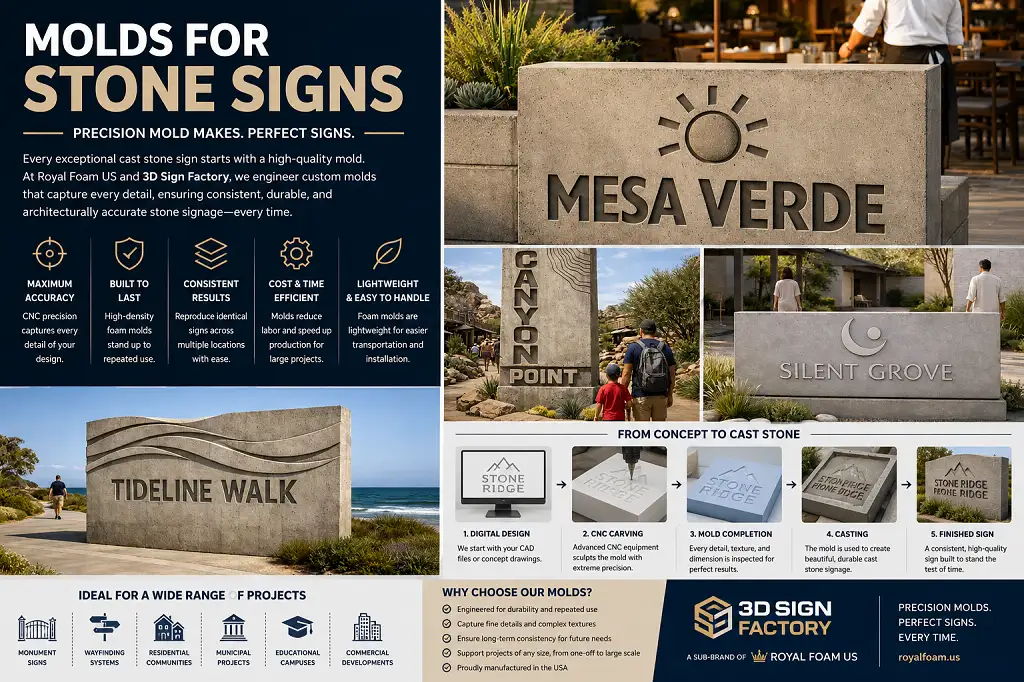
Molds for Stone Signs: The Foundation Behind Consistent Architectural Signage
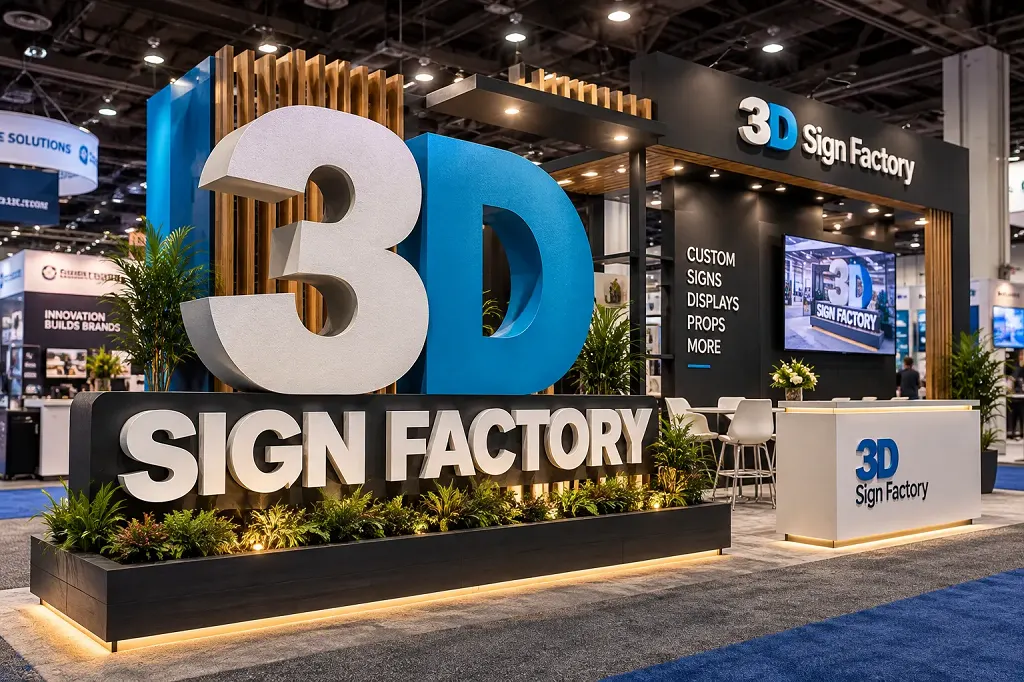
Beyond the Booth: How Custom 3D Displays Make Brands Stand Out at Expos and Events
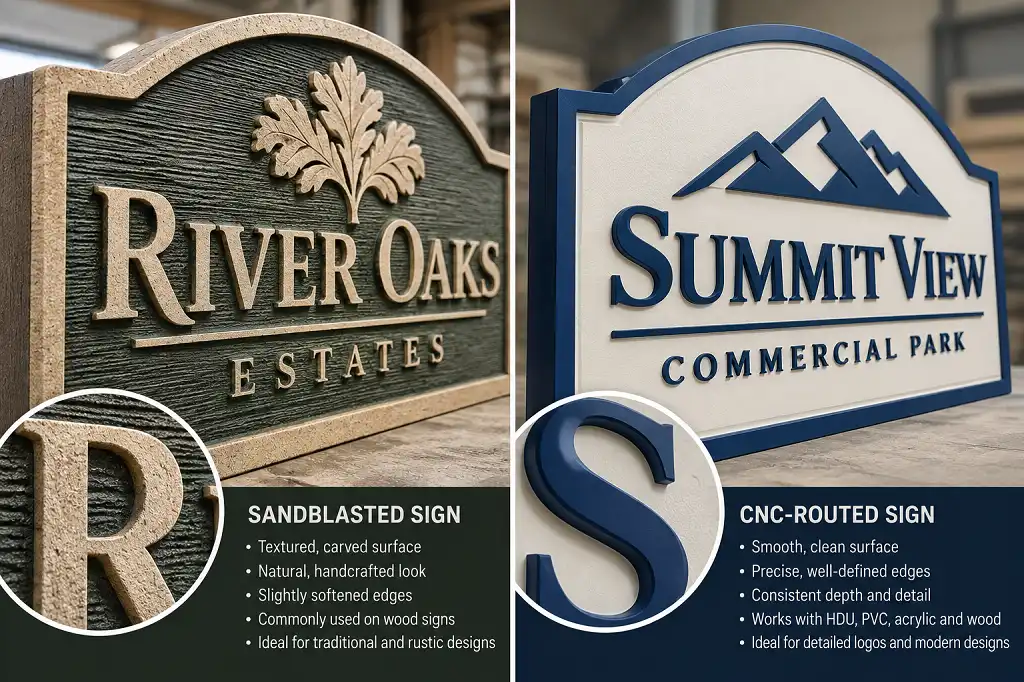
Sandblasted vs. Routed Signs: Which Is Right for Your Project?
Our customer reviews
Read more reviewsRead more reviews