3D Logo & Branding Installations: Transforming Brand Identity into Architectural Features
Quick Navigation
- The Engineering and Design Process
- Addressing Scale and Visual Balance
- Material Versatility and Fabrication
- The Advantages of EPS Foam Fabrication
- Maximizing Spatial and Visual Impact
- Interior vs. Exterior Environments
- Scalability and Durability
- Conclusion: The Future of Architectural Branding
- FAQ
In today’s competitive commercial environment, branding extends far beyond printed marketing materials and digital advertising. Companies increasingly invest in physical brand experiences that strengthen recognition, improve customer perception, and create memorable environments. One of the most effective ways to achieve this is through 3D logo and branding installations.
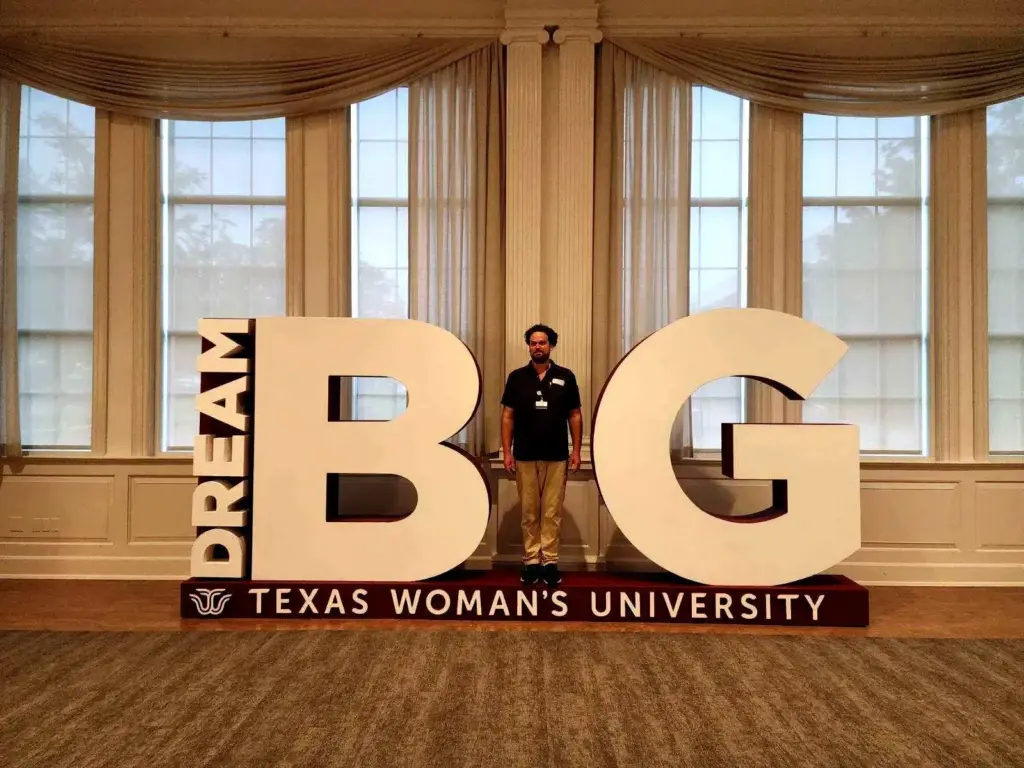
Unlike flat graphics or vinyl applications, three-dimensional branding creates depth, presence, and architectural impact. Whether installed in corporate headquarters, office lobbies, retail environments, campuses, hospitality properties, trade show exhibits, public spaces, or exterior building facades, 3D branding installations transform a logo from a simple graphic into a physical landmark.
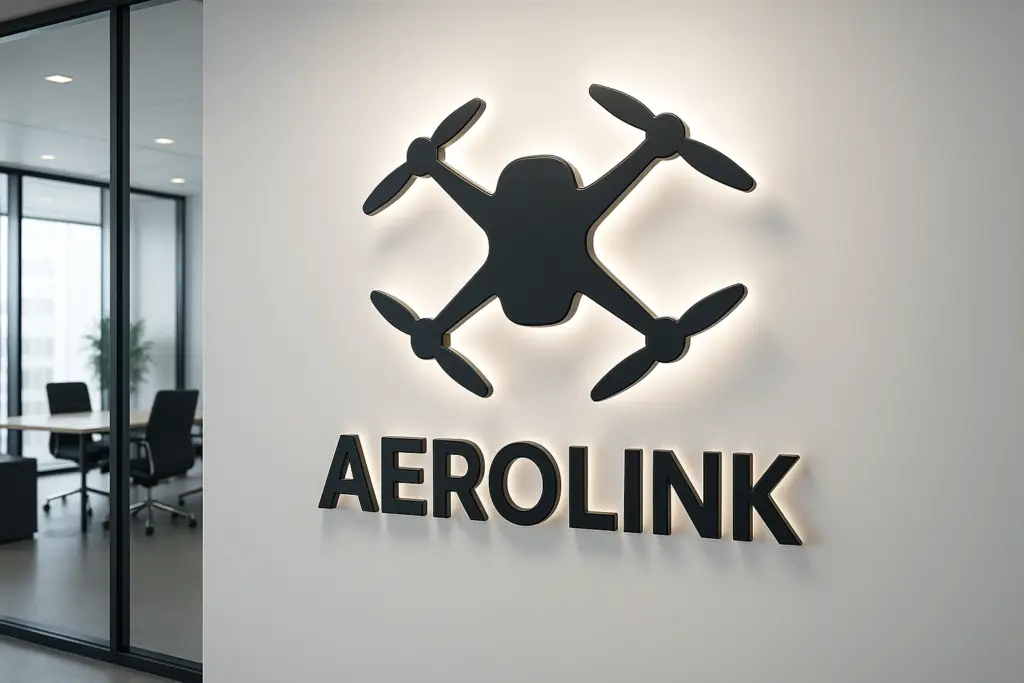
Modern businesses understand that first impressions matter. Visitors often form opinions about a company within seconds of entering a building or approaching a property. A professionally fabricated dimensional logo immediately communicates professionalism, permanence, and attention to detail.
3D branding installations are commonly used for:
- Corporate headquarters
- Office lobbies
- Reception areas
- Retail environments
- Universities and schools
- Hospitality properties
- Sports facilities
- Mixed-use developments
- Apartment communities
- Trade shows and exhibitions
- Public attractions
- Experiential marketing campaigns
The Engineering and Design Process
From a fabrication perspective, successful branding installations require much more than simply enlarging a logo. Every project begins with engineering and design analysis. Logo proportions, viewing angles, mounting conditions, lighting requirements, material selection, and installation logistics must all be evaluated before production begins.
Addressing Scale and Visual Balance
One of the most important considerations is scale. A logo that works well on a business card may require significant adjustments when transformed into a ten-foot-wide architectural feature. Stroke widths, spacing, dimensional depth, and visual balance must all be carefully engineered to maintain brand integrity at larger sizes.
Modern fabrication technologies allow highly accurate reproduction of even complex logos and graphic elements. Digital production workflows ensure consistency between the original branding guidelines and the finished installation. This is especially important for organizations with strict corporate identity standards.
Material Versatility and Fabrication
One of the greatest advantages of dimensional branding is flexibility. 3D logos can be fabricated using a variety of materials depending on project requirements and visual goals.
Common applications include:
- Foam dimensional logo and lettering
- Acrylic branding elements
- Metal logo and lettering
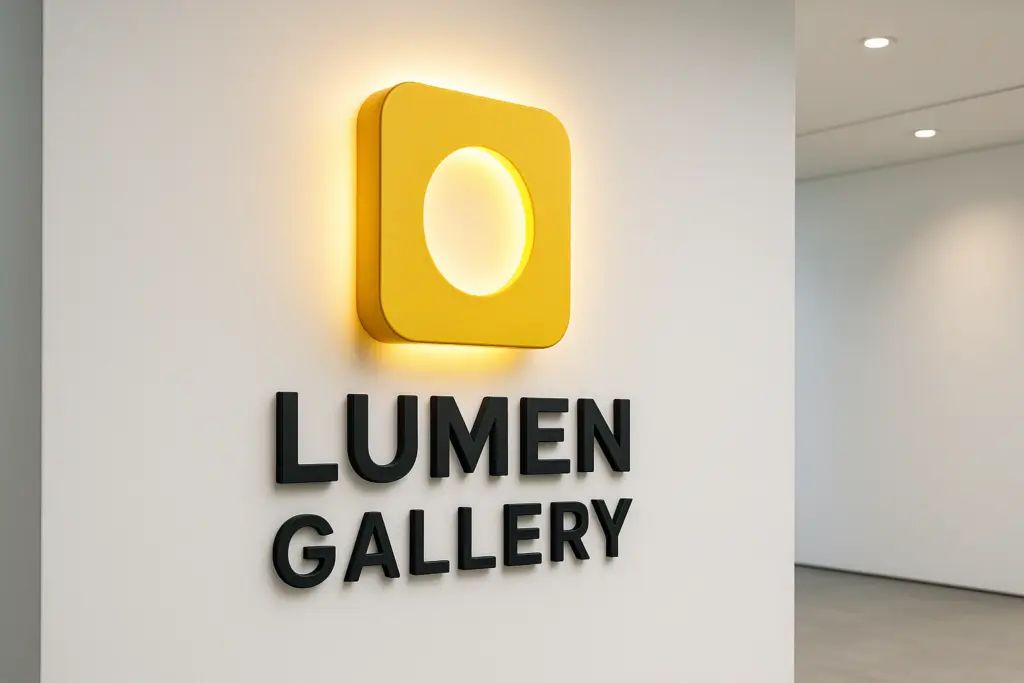
- Illuminated branding features
- HDU logo and lettering
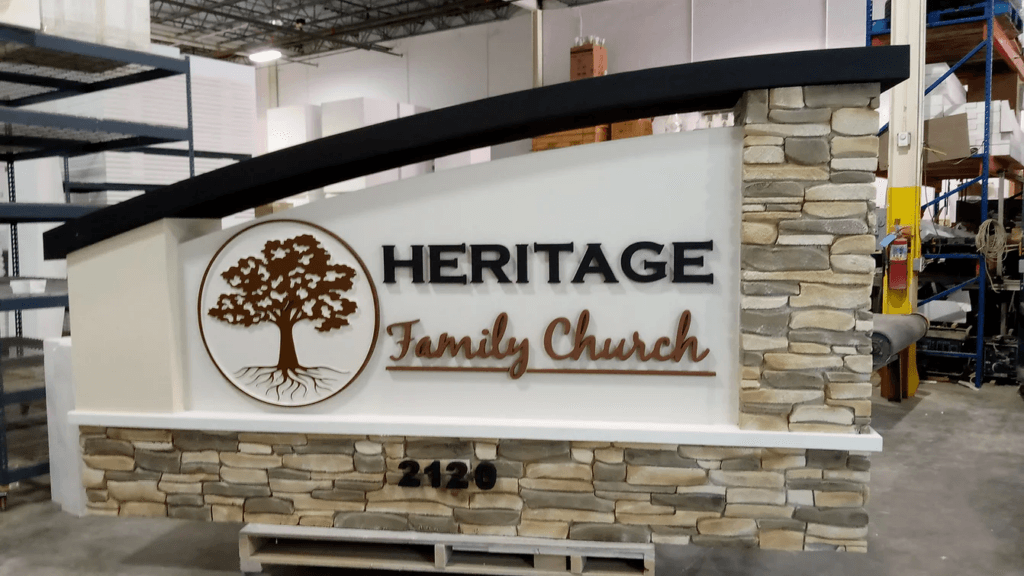
- Monument-integrated logos
- Freestanding logo displays
Each material offers unique advantages depending on location, scale, budget, and environmental conditions.
The Advantages of EPS Foam Fabrication
For large-scale branding projects, EPS foam fabrication provides significant advantages. Using lightweight 1 lb density EPS foam allows oversized logos to be manufactured without the excessive weight associated with masonry, metal, or solid construction methods.
Once shaped, the foam components receive a polyurea hardcoat, creating a durable exterior shell suitable for long-term indoor or outdoor applications. This approach allows complex branding structures to achieve substantial visual scale while remaining practical to transport and install.
Maximizing Spatial and Visual Impact
One of the most important aspects of 3D branding is dimensionality itself. Depth creates natural shadow lines that increase visibility and improve visual separation from surrounding surfaces. This added dimension helps logos remain readable from multiple viewing angles and varying distances.
Interior vs. Exterior Environments
For corporate interiors, dimensional logos often become focal points within reception areas, conference spaces, and executive environments. These installations reinforce company identity while contributing to the overall architectural character of the space.
Exterior branding installations serve a different but equally important purpose. Building-mounted logos, monument-integrated branding, and freestanding identity features help establish visibility and recognition from greater distances. They often become defining visual elements of the property itself.
Lighting can also play a major role in branding installations. Many projects incorporate:
- Halo illumination
- Front-lit elements
- Integrated LED lighting
- Accent lighting
Proper lighting design enhances visibility while adding another layer of dimensional impact, especially during evening hours.
From an engineering standpoint, installation planning is critical. Large dimensional logos must account for:
- Mounting surfaces
- Wind exposure
- Structural support
- Access requirements
- Transportation limitations
- Maintenance accessibility
Early planning ensures the finished installation performs reliably while maintaining visual integrity over time.
Another significant advantage of 3D branding installations is their ability to create memorable experiences. Large-scale dimensional logos naturally attract attention and often become photography destinations within commercial properties, campuses, hospitality environments, and public spaces.
This experiential value is increasingly important in modern branding strategies. Businesses are no longer focused solely on visibility; they want installations that encourage engagement, strengthen brand recall, and contribute to a unique customer experience.
Scalability and Durability
Scalability is another key benefit. Dimensional branding can range from small reception logos to massive architectural installations spanning dozens of feet. The same engineering principles apply regardless of size, allowing organizations to maintain brand consistency across multiple environments and locations.
Durability remains a critical consideration for all branding installations. Proper fabrication, material selection, protective finishes, and mounting methods all contribute to long-term performance. A professionally engineered installation should maintain its appearance and structural integrity for years while requiring minimal maintenance.
From an economic perspective, 3D branding installations often provide lasting value because they function continuously as permanent marketing assets. Unlike temporary advertising campaigns, dimensional branding becomes part of the built environment, reinforcing identity every day without ongoing promotional costs.
Conclusion: The Future of Architectural Branding
As architectural branding continues to evolve, businesses increasingly seek solutions that combine visibility, durability, and experiential design. Three-dimensional logo installations meet these requirements by transforming brand graphics into physical structures that interact with people, architecture, and space.
For sign companies, architects, developers, contractors, marketing teams, and business owners, 3D logo and branding installations offer one of the most effective ways to create lasting visual impact while strengthening brand identity through dimensional architectural design.
FAQ
What are 3D logo and branding installations?
3D logo and branding installations are dimensional signs or displays that transform a flat logo into a physical architectural feature. They add depth, visibility, and a more memorable brand presence.
Where can 3D branding installations be used?
They can be installed in office lobbies, corporate headquarters, retail stores, hotels, campuses, trade show booths, and exterior building facades. Their versatility makes them suitable for both indoor and outdoor environments.
Why is EPS foam a popular material for large branding projects?
EPS foam is lightweight, easy to shape, and cost-effective for oversized installations. When coated with a durable polyurea hardcoat, it provides excellent long-term performance for interior and exterior applications.
Can 3D branding installations include lighting?
Yes. Many installations feature halo lighting, front-lit letters, integrated LEDs, or accent lighting to improve visibility and enhance the overall visual impact, especially at night.
How durable are architectural branding installations?
When fabricated with high-quality materials and protective finishes, they are designed to withstand daily wear and environmental conditions. Proper engineering and installation also help ensure years of reliable performance.
What are the benefits of investing in 3D branding instead of flat signage?
Dimensional branding creates a stronger visual impression, improves brand recognition, and enhances the overall appearance of a space. It also serves as a long-term marketing asset that continues to reinforce your brand every day.

Read more

The Importance of Hard Coating in Outdoor Signage: How Polyurea Coating Transforms Foam Structures into Durable Signage
The Art of Imitation: How Faux Finishes Transform EPS Foam Into Stone, Metal & Wood

Beyond Traditional Materials: Why HDU Foam Is Replacing Wood and Stone in High-End Signage
The Hidden Science Behind High-Quality Foam Lettering & Dimensional Signage
Eco-Friendly Signage Solutions: Is HDU & EPS Foam the Sustainable Choice?

Why Lightweight Foam Monument Signs Are Ideal for Large-Scale Signage

The Importance of Proper Installation for Monument Signs

Foam vs. Metal Signs: Cost, Durability, and Aesthetic Considerations

The Importance of Proper Installation for Monument Signs

From One-Time WOW to Multi-Tour ROI
Recommended Articles
HDU Signs: What High-Density Urethane Foam Is and Why It’s a Premium Sign Choice
Acrylic Signs for Business: Types, Benefits, and How to Choose the Right Style
Industrial 3D Printing: Large-Scale Foam Prototypes, Models & Manufacturing Solutions
Molds for Stone Signs: The Foundation Behind Consistent Architectural Signage
Beyond the Booth: How Custom 3D Displays Make Brands Stand Out at Expos and Events
Sandblasted vs. Routed Signs: Which Is Right for Your Project?
Our customer reviews
Read more reviewsRead more reviews