Beyond the Booth: How Custom 3D Displays Make Brands Stand Out at Expos and Events
Quick Navigation
At a busy expo or industry event, brands have only a few seconds to capture attention. Rows of booths, banners, digital screens, and printed graphics compete for the same audience. A well-designed booth may communicate the brand, but a custom 3D display can make people stop and look.
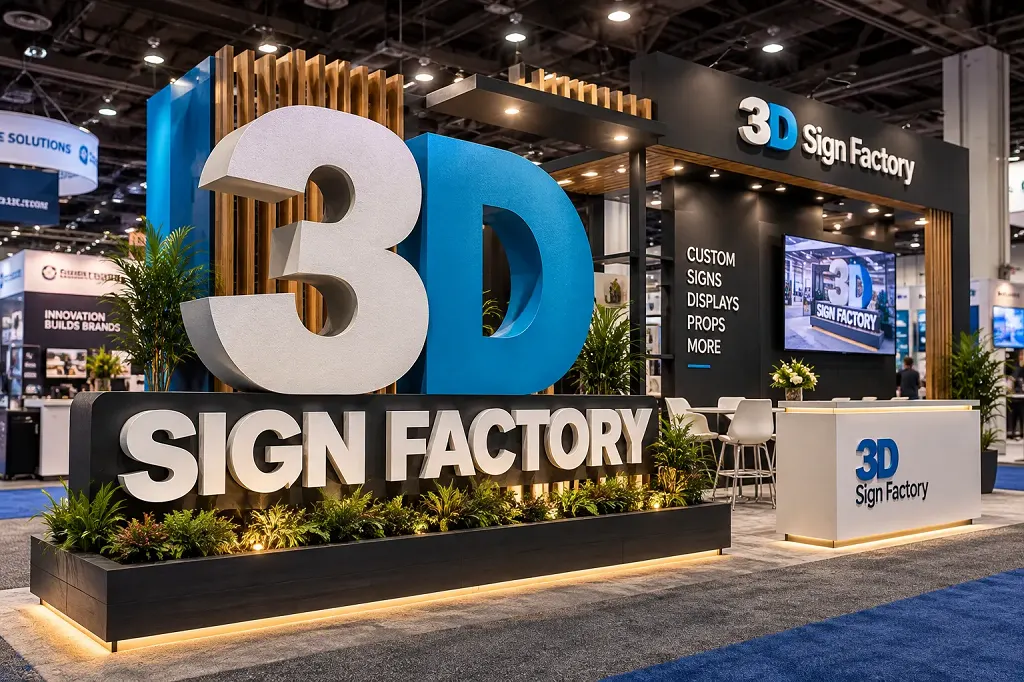
From oversized logos and dimensional lettering to sculptures, props, and fully customized brand installations, three-dimensional fabrication gives companies a way to turn their event space into something attendees can see, photograph, and remember.
Why Traditional Booth Graphics Are Not Always Enough
Printed graphics are an important part of many trade show displays, but they primarily communicate information from a flat surface.
Three-dimensional elements introduce depth, scale, texture, and physical presence.
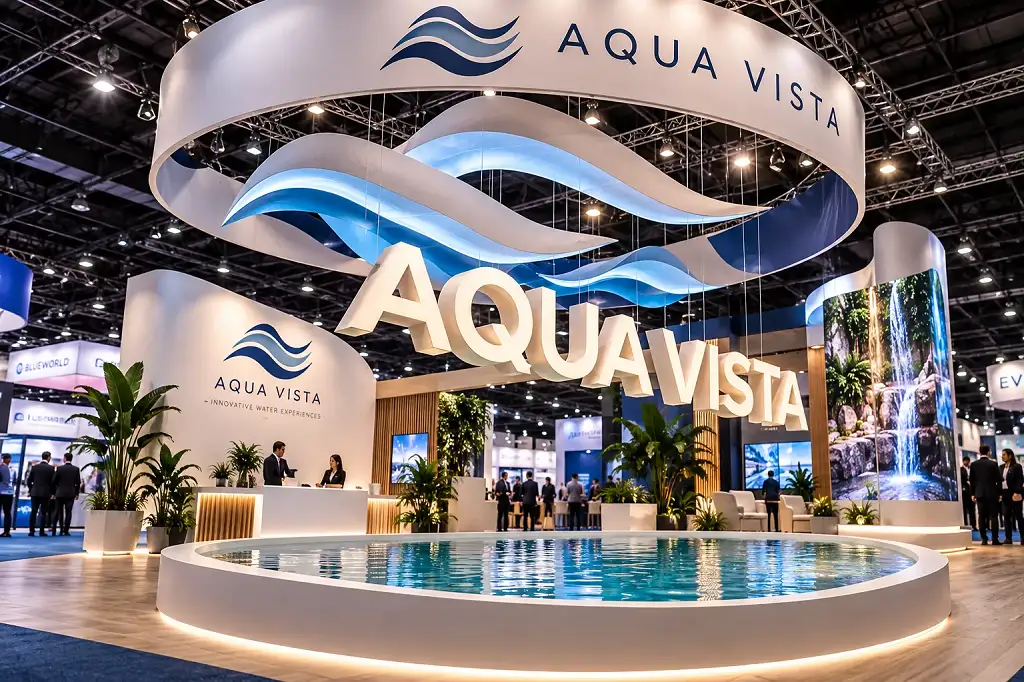
A large dimensional logo can become the focal point of a booth. Oversized lettering can make a brand visible from across an exhibition hall. A custom sculpture can communicate an idea without requiring visitors to read a paragraph of text.
The result is a display that works not only as branding, but also as part of the physical experience.
Make Your Brand Visible Across the Exhibition Floor
Trade show environments can be enormous. Attendees may be walking past dozens or even hundreds of exhibitors.
Scale becomes especially important in this environment.
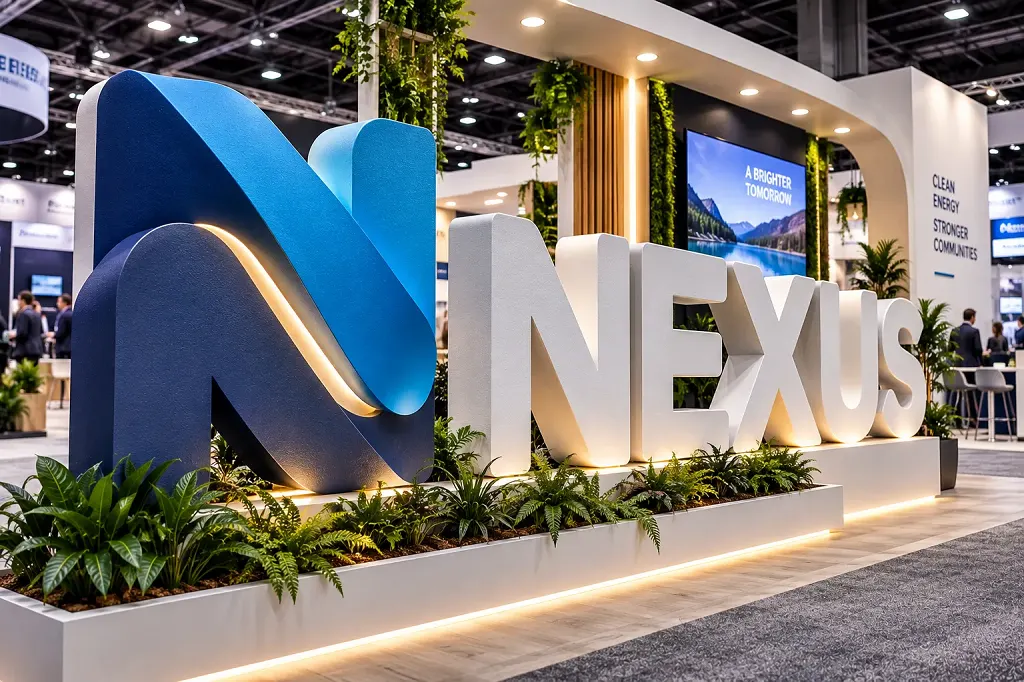
Large-format foam letters, dimensional logos, architectural elements, and custom structures can help create visual landmarks within a booth. Strategic placement can make branding visible from multiple angles and distances.
Instead of relying entirely on visitors to approach the booth first, the display itself can help draw their attention.
Custom Displays Create Photo Opportunities
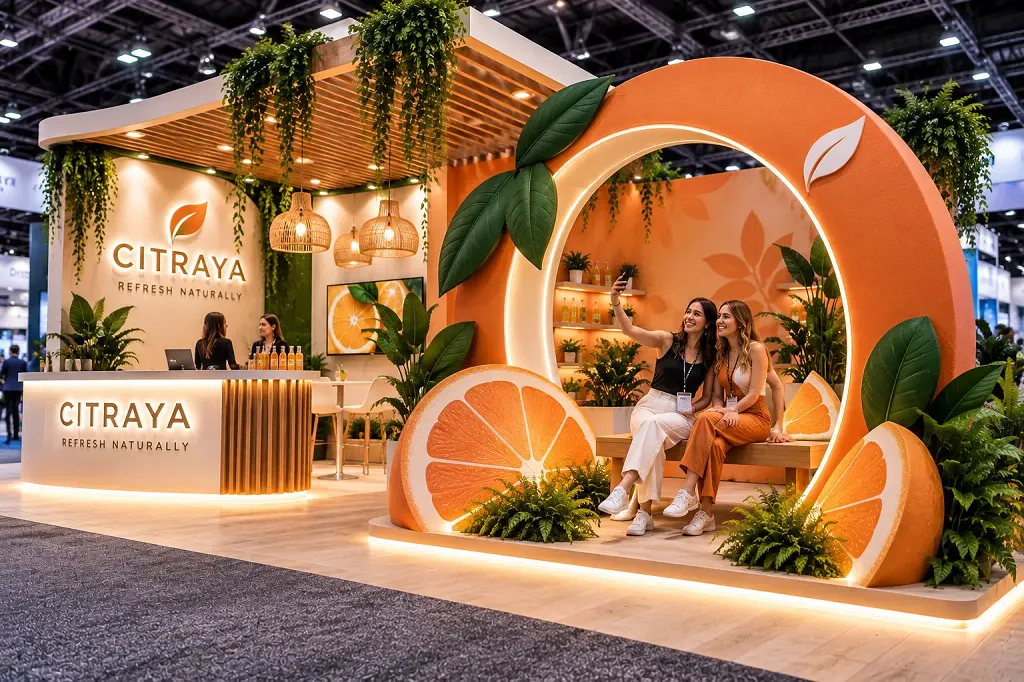
One of the biggest advantages of a memorable physical installation is that attendees may want to photograph it.
A creative branded backdrop, oversized logo, custom sculpture, or unusual prop can become a natural photo opportunity. When visitors share those images online, the physical installation can continue generating visibility beyond the event floor.
This makes custom fabrication particularly useful for:
- Trade shows
- Industry expos
- Product launches
- Conferences
- Corporate events
- Brand activations
- Experiential marketing campaigns
- Promotional events
- Retail pop-ups
The display becomes part of the event experience rather than simply a sign identifying the company.
From Concept to Finished Display: The 3D Sign Factory Fabrication Process
Highly customized event pieces require more than simply producing a design at a larger scale. The fabrication process needs to consider the design, materials, dimensions, finish, transportation, and installation from the beginning.
At 3D Sign Factory, a typical custom project can move through the following stages.
1. Project Intake & Design Review
The process starts with the project requirements.
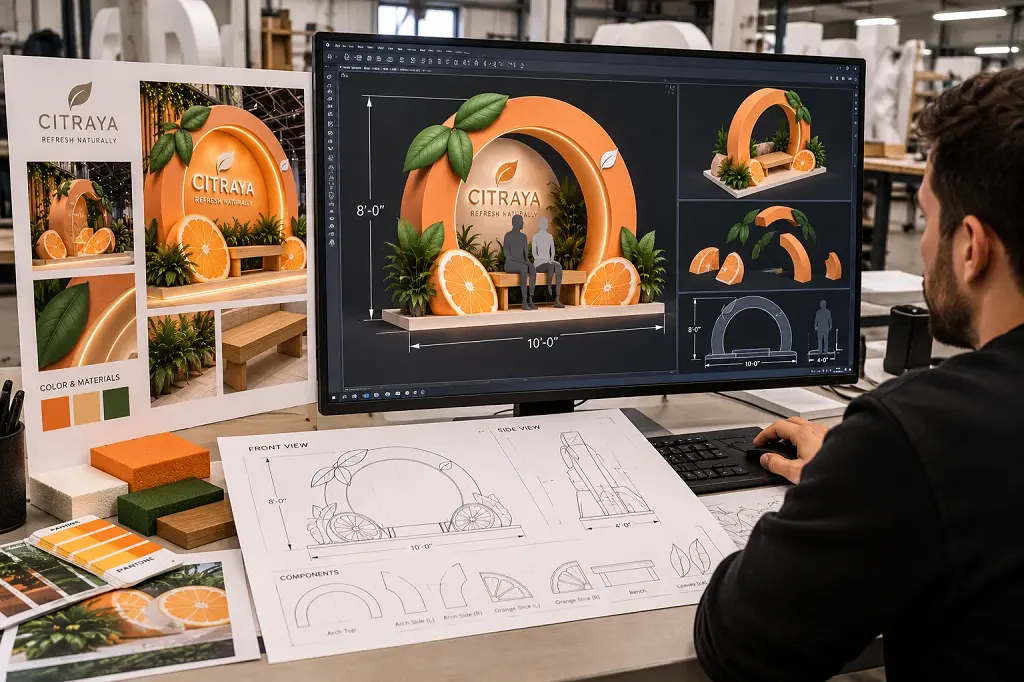
Clients can provide drawings, CAD files, renderings, dimensions, brand guidelines, reference images, or even an initial concept. The fabrication team reviews the design to understand its intended appearance, size, materials, and application.
At this stage, important questions include:
- Where will the piece be displayed?
- What are the overall dimensions?
- Is it intended for indoor or outdoor use?
- Will it be reused?
- How will it be transported?
- How will it be installed or mounted?
- What type of finish is required?
2. Material & Construction Planning
Once the concept is understood, the appropriate materials and construction methods can be considered.
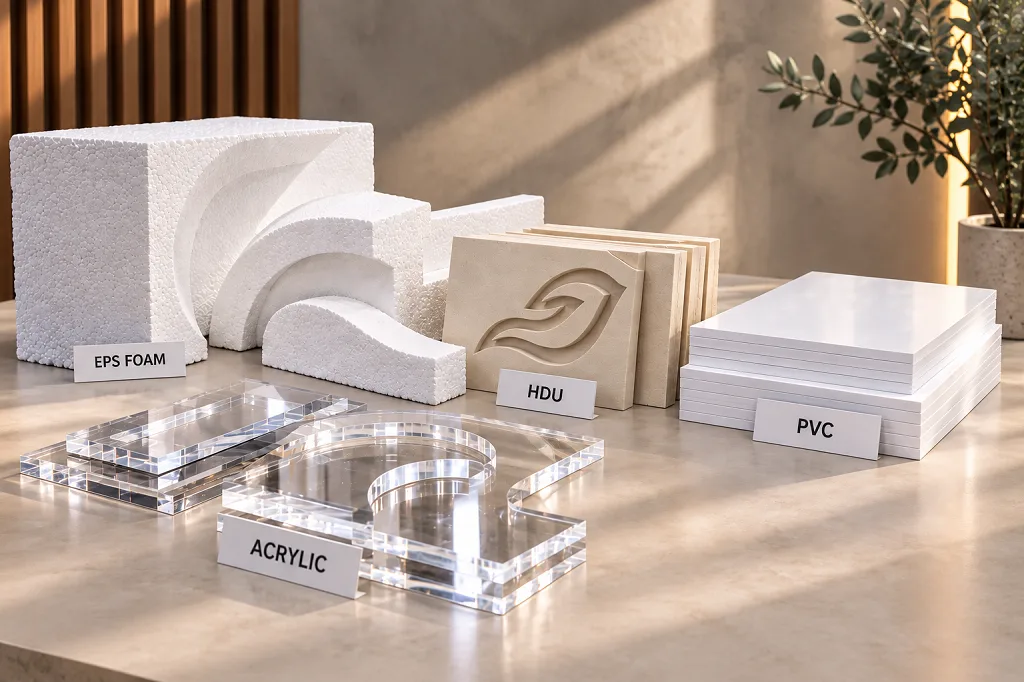
EPS foam can be useful for large-scale letters, logos, sculptures, props, and dimensional forms because it can be shaped into complex designs while remaining relatively lightweight.
HDU can be used for dimensional signage and detailed routed elements where a more rigid material is appropriate.
Depending on the project, fabrication may also incorporate PVC, acrylic, wood, metal, or other materials.
Material selection is based on the project’s design, size, finish, environment, handling requirements, and installation method.
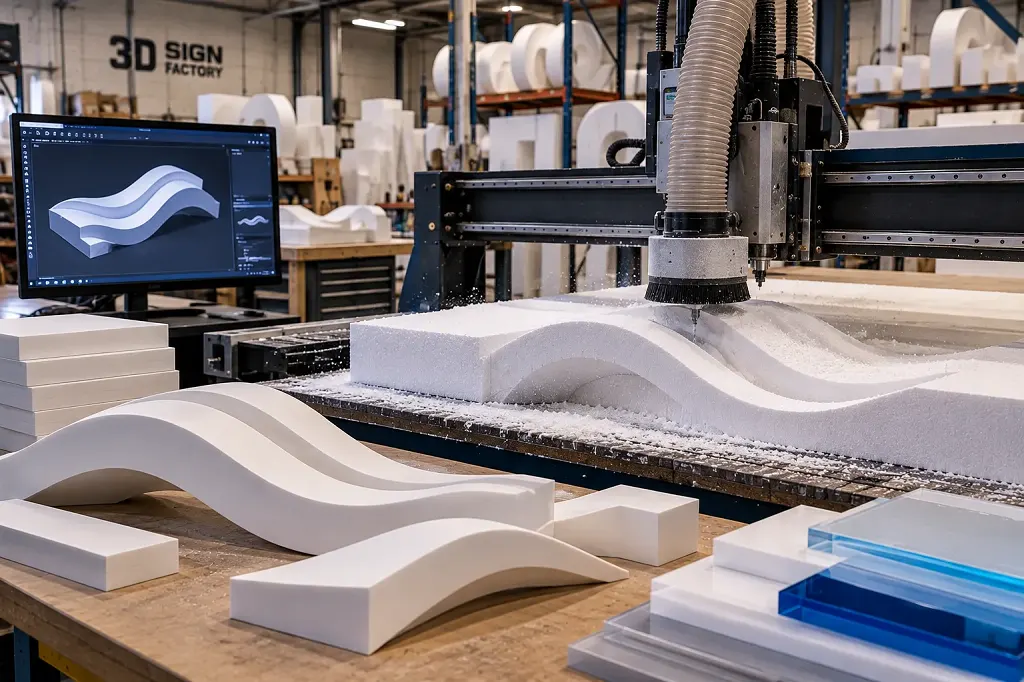
3. CNC Routing, Cutting & Shaping
After the design and material have been established, the components can move into fabrication.
CNC routing and cutting allow digital designs to be translated into accurately shaped physical components. Complex curves, lettering, logos, patterns, and custom profiles can be produced according to the approved design.
For sculptural or highly customized pieces, additional shaping and hand-finishing may be required after CNC fabrication.
4. Assembly & Surface Preparation
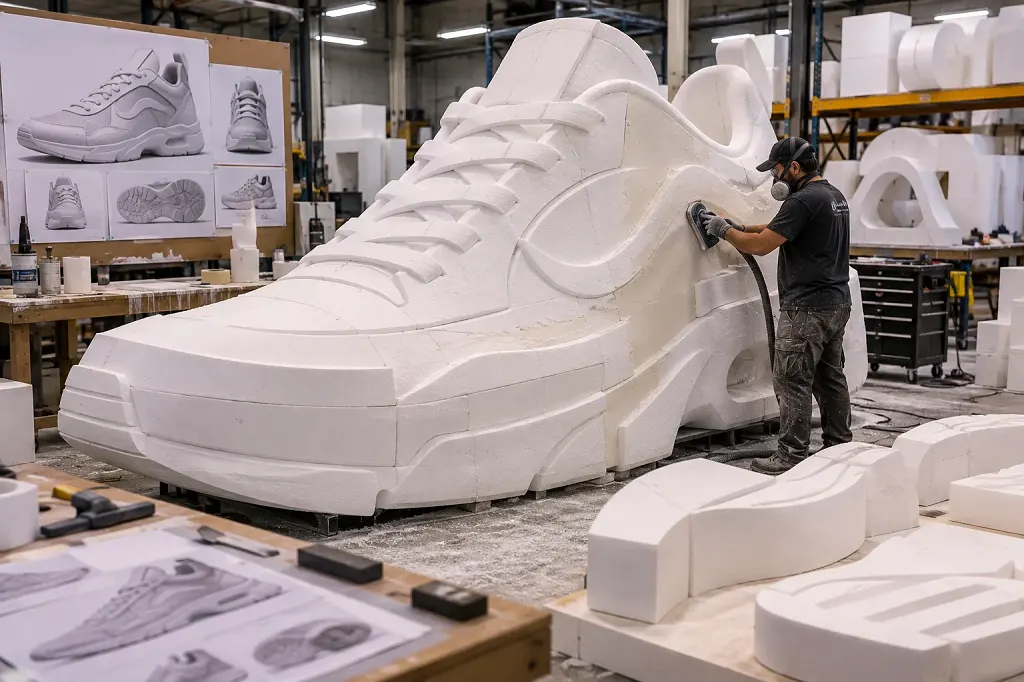
Large displays are often fabricated from multiple components rather than one solid piece.
Individual sections may be assembled, reinforced, shaped, sanded, and prepared for finishing. Seams and surfaces are addressed so the completed piece presents a consistent appearance.
For event projects, componentization can also make large pieces easier to transport and assemble at the venue.
5. Coating, Painting & Custom Finishing
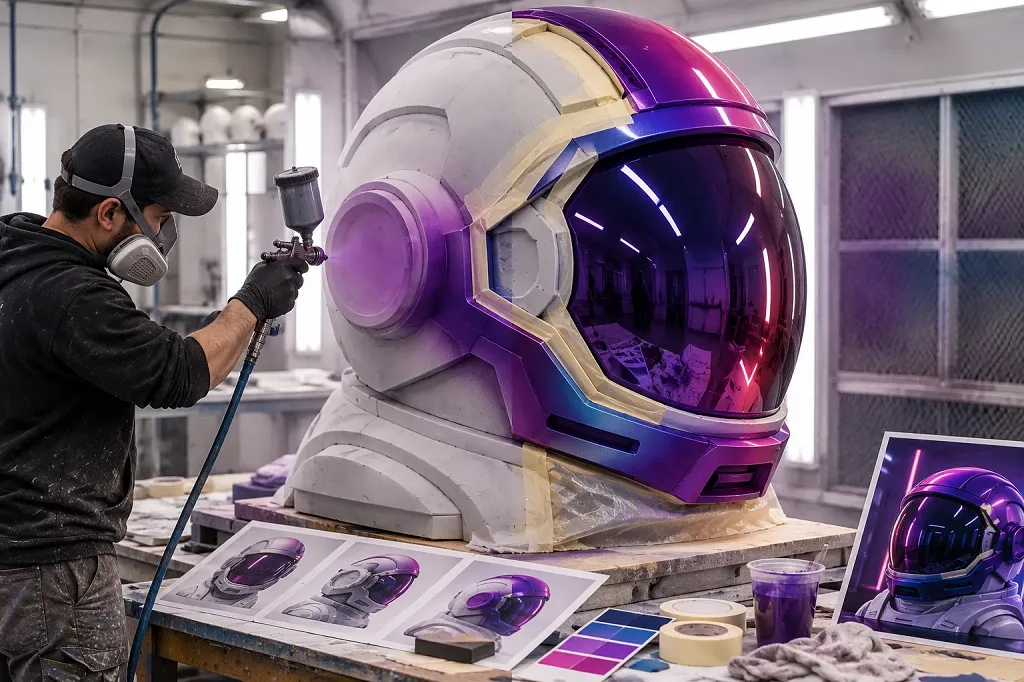
The finish can completely change the appearance of a fabricated piece.
Depending on the project, surfaces can be coated and painted to achieve brand colors, smooth finishes, textured appearances, faux materials, or other custom effects.
The objective is to make the finished fabrication match the approved design as closely as practical while providing the appropriate surface treatment for its intended environment.
6. Quality Check & Project Preparation
Before the piece leaves fabrication, the completed components can be reviewed against the project requirements.
Dimensions, finishes, component fit, and other important details are checked. Pieces can then be prepared for packaging and transportation.
For large or multi-part event displays, labeling components can also help simplify assembly at the destination.
7. Packing, Shipping & Installation Planning
An impressive display still needs to arrive at the event in usable condition.
Packaging and transportation requirements should therefore be considered before fabrication is complete. Large or delicate components may require specialized handling and protective packaging.
Installation requirements are also considered, including how the components will be assembled, positioned, mounted, or secured at the venue.
From Digital Design to Physical Display
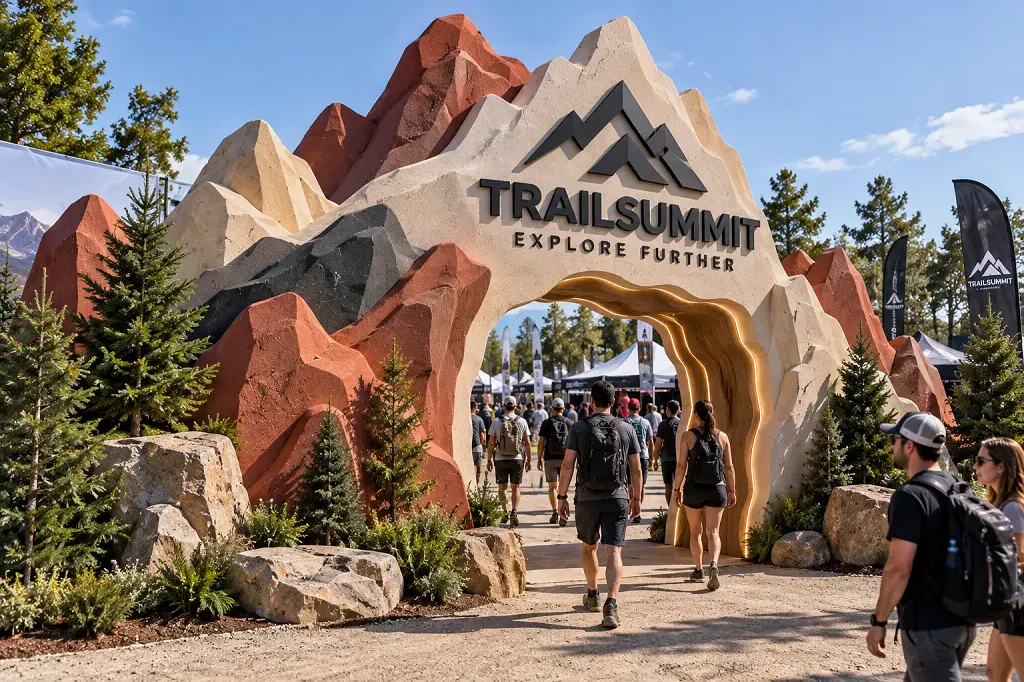
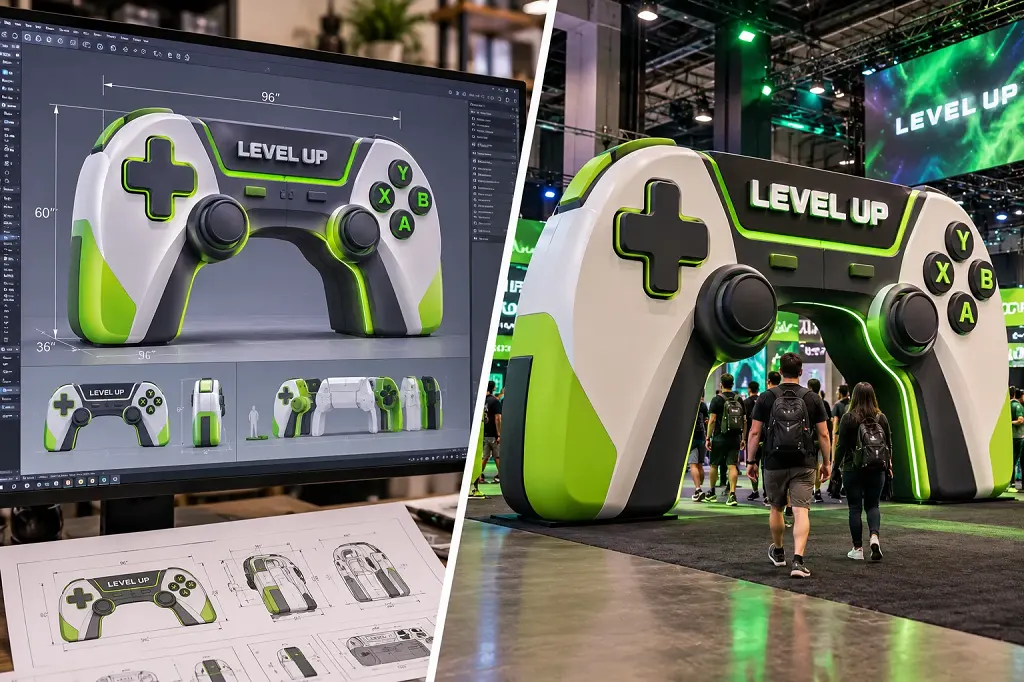
Many event concepts begin digitally.
A company may have a 3D rendering, CAD drawing, brand guideline, product model, or even a simple reference image. Turning that digital concept into a physical installation requires more than simply enlarging the artwork.
The fabrication process needs to account for:
- Overall dimensions
- Material selection
- Structural requirements
- Surface finishes
- Individual component sizes
- Transportation
- Assembly
- Mounting and installation
This is where custom fabrication bridges the gap between what a display looks like on screen and how it actually works in the real world.
When the Event Is Over, the Impression Can Remain
A successful event display does not necessarily end its useful life when the expo closes.
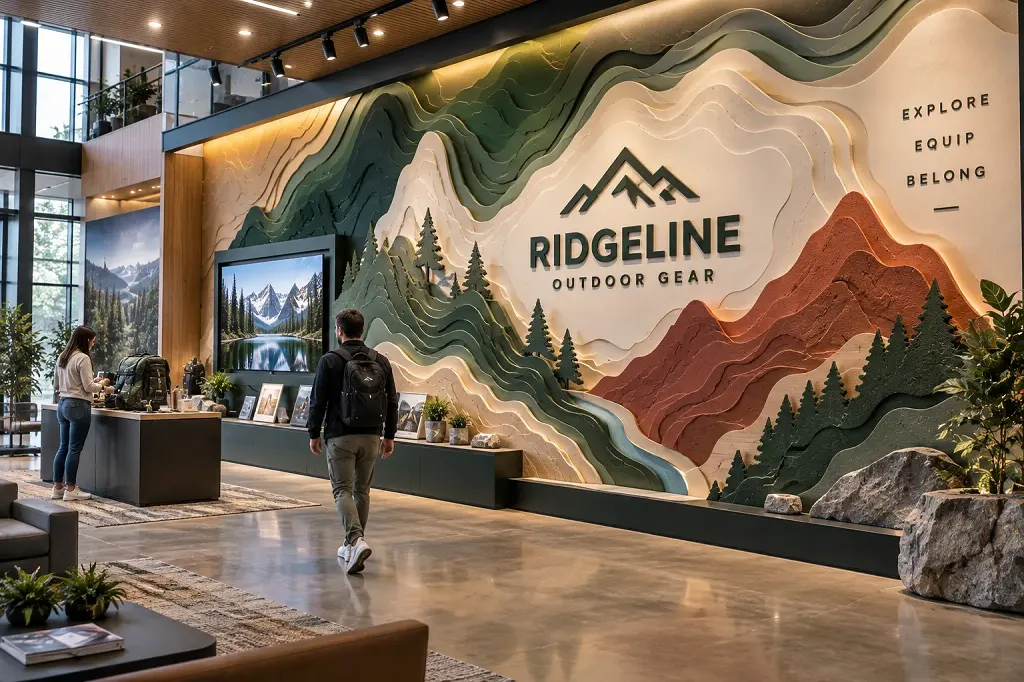
Some custom pieces can be designed for reuse at future events, corporate spaces, showrooms, retail locations, or promotional installations.
Planning for reuse from the beginning can influence the construction method, mounting system, dimensions, and finishing choices.
For brands that attend multiple events throughout the year, a well-designed custom display can become part of a larger visual identity rather than a one-time project.
Create Something People Remember
The most effective event displays do more than fill booth space. They create a visual reason to stop.
At 3D Sign Factory, we fabricate custom dimensional signage, oversized lettering, logos, sculptures, props, architectural elements, and other specialty pieces for expos, events, and brand activations.
Whether your project starts with a finished design or simply an idea, custom fabrication can turn that concept into something tangible.
Have an idea for your next expo or event?
Share your design, dimensions, reference images, or concept with 3D Sign Factory and let’s explore what can be fabricated for your space.
Frequently Asked Questions
Why are 3D displays and custom sculptures more effective than flat booth graphics at trade shows?
While printed banners display information, 3D elements add physical scale, depth, and texture that command attention across a busy exhibition hall. They transform a basic booth into a landmark attraction that draws attendees in and creates an engaging, touchable brand experience.
How do 3D props and oversized lettering generate additional digital exposure?
Creative 3D installations act as natural photo backdrops that encourage visitors to take selfies and share them on social media. This user-generated content organically extends your brand’s reach well beyond the physical event floor to online audiences.
What materials are typically used to construct lightweight, transportable event displays?
Fabricators primarily use EPS foam for large-scale sculptures and oversized letters due to its extreme lightweight properties and versatile shaping options. High-Density Urethane (HDU), acrylic, PVC, and metal accents are often integrated for added structural rigidity and fine detail.
How does 3D Sign Factory handle the logistics of shipping and assembling large trade show structures?
Displays are intelligently componentized during the design phase, meaning large pieces are fabricated in interlocking sections. This allows them to be packed efficiently for nationwide transport and quickly assembled, labeled, and mounted on-site without complex machinery.
Can custom event props and 3D booth structures be reused for future shows?
Yes, if reuse is planned from the beginning, fabricators can construct the display using durable hard coatings and modular mounting hardware. This allows the installation to be safely dismantled, packed, and redeployed at future expos, corporate showrooms, or retail pop-ups.
What file formats or initial concepts do clients need to provide to start a project?
Projects can begin with formal CAD drawings, STEP/STL files, 3D renderings, vector logo files, or even basic reference photos and rough sketches. The design and production team can translate initial concepts into fully realized, production-ready physical structures.

Read more

The Importance of Hard Coating in Outdoor Signage: How Polyurea Coating Transforms Foam Structures into Durable Signage
The Art of Imitation: How Faux Finishes Transform EPS Foam Into Stone, Metal & Wood

Beyond Traditional Materials: Why HDU Foam Is Replacing Wood and Stone in High-End Signage
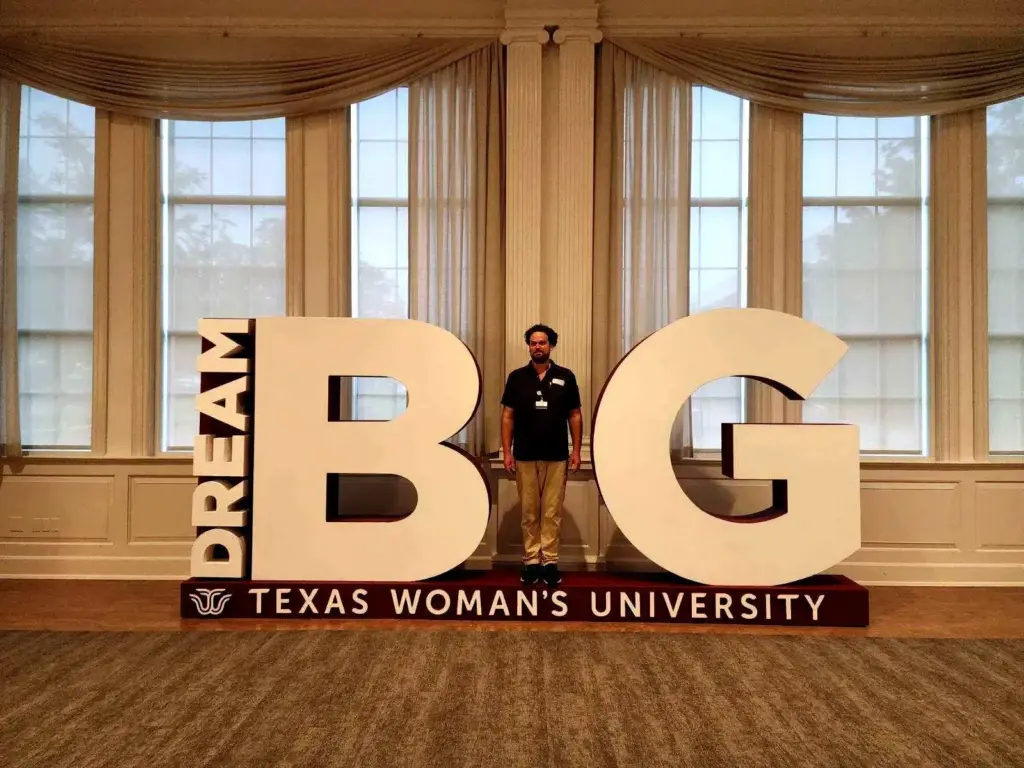
The Hidden Science Behind High-Quality Foam Lettering & Dimensional Signage
Eco-Friendly Signage Solutions: Is HDU & EPS Foam the Sustainable Choice?

Why Lightweight Foam Monument Signs Are Ideal for Large-Scale Signage

The Importance of Proper Installation for Monument Signs

Foam vs. Metal Signs: Cost, Durability, and Aesthetic Considerations

The Importance of Proper Installation for Monument Signs

From One-Time WOW to Multi-Tour ROI
Recommended Articles
HDU Signs: What High-Density Urethane Foam Is and Why It’s a Premium Sign Choice
Acrylic Signs for Business: Types, Benefits, and How to Choose the Right Style
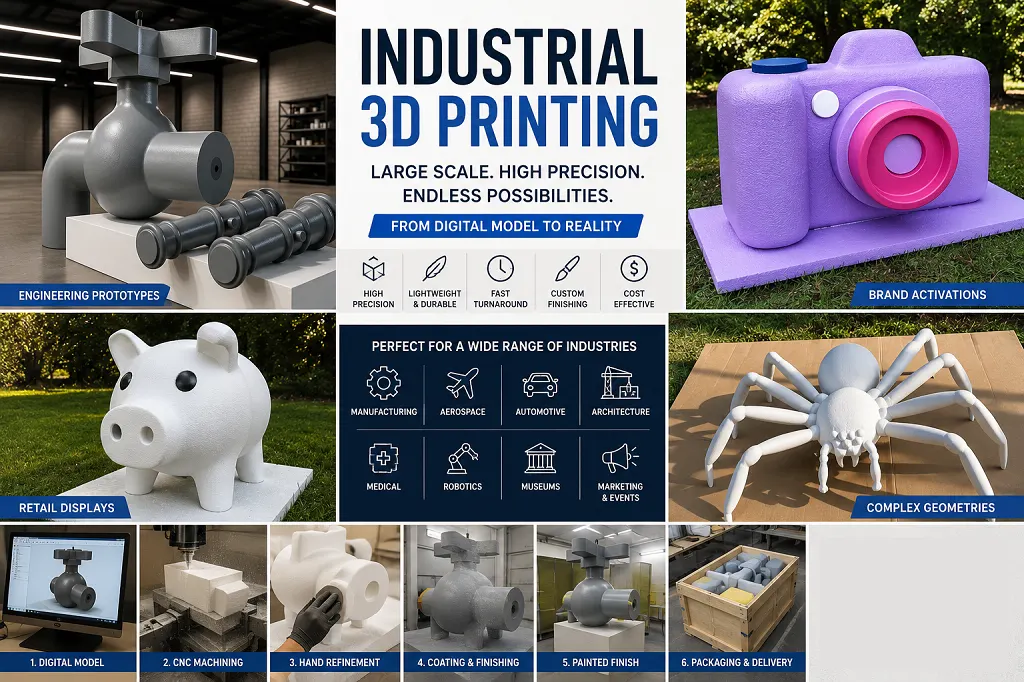
Industrial 3D Printing: Large-Scale Foam Prototypes, Models & Manufacturing Solutions
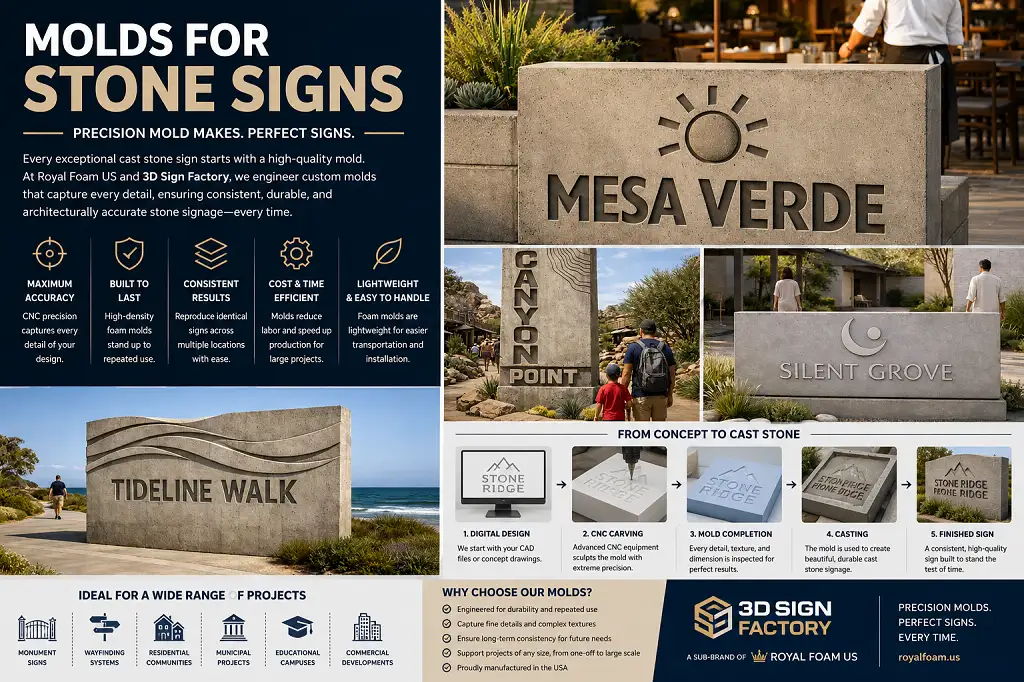
Molds for Stone Signs: The Foundation Behind Consistent Architectural Signage
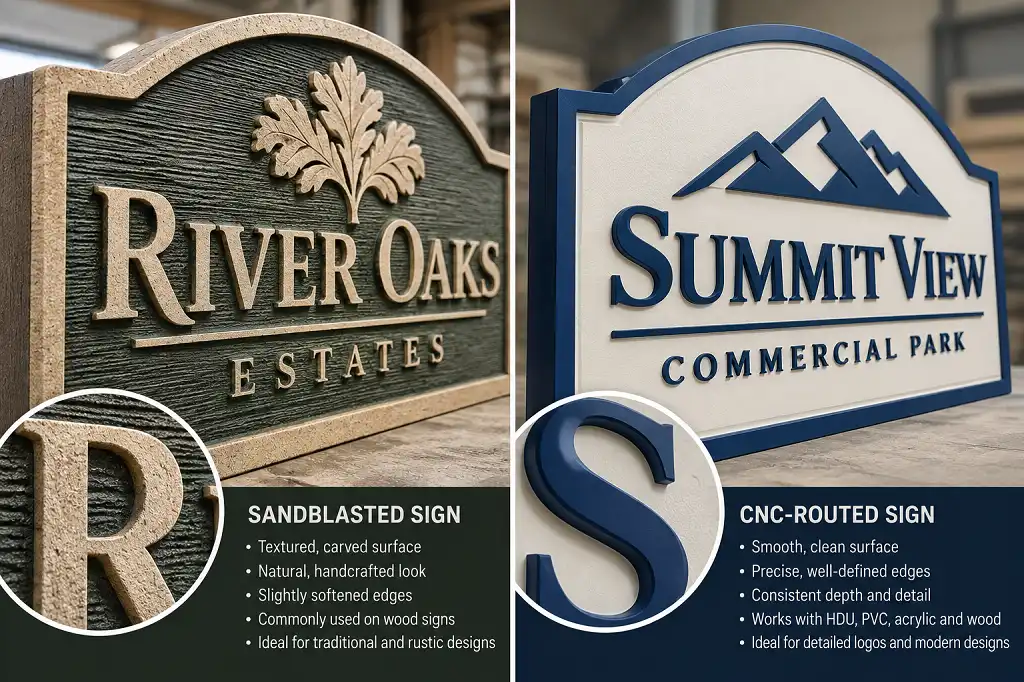
Sandblasted vs. Routed Signs: Which Is Right for Your Project?

Letter Signs: How Dimensional Letter Signage Works for Every Business Type
Our customer reviews
Read more reviewsRead more reviews