3D Letter Signs for Business Branding – Materials, Outdoor Use, Design Options, and Benefits
Picture this: two coffee shops sit side by side on the same street. One has a flat, printed banner above the door. The other has custom 3D letters mounted to a brushed aluminum panel, each letter casting a subtle shadow in the afternoon light. Same neighborhood, same foot traffic – but one of them stops people mid-stride. That’s what 3D letter signs do for a business. They don’t just display a name. They give it presence.
If you’re thinking about upgrading your business signage or starting fresh with something that actually reflects your brand, this guide covers everything you need to make a smart decision. Materials, outdoor durability, design options, and the real business case for going dimensional – it’s all here.

What Materials Are Used in 3D Lettering Signage?
The material you choose for your 3D lettering signage affects everything – how long it lasts, how it looks at different distances, what it costs, and whether it can handle the environment you’re putting it in. There’s no single best option. What works for a luxury law firm in a climate-controlled lobby won’t necessarily work for a fast-food franchise sign mounted above a drive-through in the Pacific Northwest.
Acrylic is probably the most common material used in custom 3D letters today. It machines cleanly, holds tight tolerances, and accepts paint, vinyl, and surface finishes well. You can get it in virtually any color, and it’s available in a range of thicknesses – typically 3mm up to 25mm for standard letter depth. Acrylic works well both indoors and outdoors, though prolonged UV exposure without proper coating can cause yellowing over time. That’s a trade-off worth knowing before you commit.
Metal letters – usually aluminum or stainless steel – are the go-to for businesses that want a premium, long-lasting result. Aluminum is lightweight and corrosion-resistant, which makes it practical for large 3D letters mounted at height. Stainless steel is heavier and more expensive, but it holds a mirror or brushed finish better than aluminum and tends to look sharper over a decade of outdoor exposure. Both materials can be fabricated with returns (the side edges of each letter) at various depths, typically ranging from half an inch to four inches depending on the visual weight you want.
High-density foam, specifically expanded polystyrene (EPS) or urethane foam, is used heavily in indoor dimensional letters signage and for temporary or event applications. It’s lightweight, easy to install, and can be coated to look like metal or painted any color. The limitation is durability – foam letters aren’t built for years of outdoor exposure, especially in areas with temperature swings or physical contact risk.
PVC and HDPE plastic letters sit somewhere between foam and metal. They’re weather-resistant, relatively affordable, and work well for exterior applications where budget is a constraint. They won’t have the same premium finish as brushed aluminum, but for a retail strip or light commercial application, they perform reliably.
One thing many buyers overlook: the backing or mounting system matters as much as the letter material itself. Standoff mounts – small metal studs that hold each letter slightly off the wall surface – create a shadow gap that dramatically increases visual depth and makes letters readable from further away. It’s a small detail that separates professional-grade 3D commercial signage from something that just looks like it was bolted up in a hurry.
Using 3D Sign Letters Exterior – What You Need to Know About Outdoor Durability
Exterior signage takes a beating. Wind, rain, UV radiation, temperature cycling, humidity, and in some regions, salt air or freezing conditions – your 3D sign letters exterior installation has to handle all of it, ideally for ten to fifteen years without looking tired. The good news is that the right materials and installation methods make that entirely achievable. The bad news is that cutting corners on either one shows up fast.
Aluminum is the workhorse of exterior 3D lettering exterior applications. It doesn’t rust, it holds paint well when properly primed, and it’s light enough that large letters – we’re talking 24 inches tall or bigger – don’t require excessive structural support behind the wall face. For coastal or high-humidity environments, marine-grade aluminum alloys are worth the added cost. The difference in corrosion resistance over five years is significant.
If you’re going with painted letters outdoors, the finish process matters. Powder coating is far more durable than liquid paint for exterior metal letters. It bonds to the metal at a molecular level through the curing process, and a quality powder coat finish can hold color and resist chipping for well over a decade. Automotive-grade liquid paints are a step down from that. Standard spray paint is not appropriate for outdoor 3D signage – full stop.
Acrylic letters outdoors need UV-stabilized material or a UV-protective coating. Standard acrylic will yellow and become brittle with prolonged sun exposure. Cast acrylic holds up better than extruded acrylic in outdoor conditions, and most reputable 3D signage company fabricators will specify the right grade for exterior use. If a supplier doesn’t ask where the sign is going, that’s a red flag.
Fastening and waterproofing are the other half of the durability equation. Each letter needs to be mounted with stainless steel or aluminum hardware – never standard steel screws, which will rust and streak the wall surface. Any penetrations through the wall face for wiring (if the letters are illuminated) need proper weatherproofing. Water getting behind the letters and into the wall assembly is a common failure point that has nothing to do with the letters themselves and everything to do with installation quality.
Wind load is a real consideration for large 3D letters on building facades. A letter that’s 36 inches tall and four inches deep is catching a meaningful amount of air. Your installer should be calculating the load and selecting anchor points accordingly, especially if the sign is mounted above pedestrian areas. This isn’t something to eyeball.

Design Options for Custom 3D Letters and 3D Logo Signage
The design side of 3D lettering is where the real creative range opens up, and it’s also where a lot of businesses either get it right or waste money on something that doesn’t actually serve the brand. Let’s talk about what’s actually available and what decisions matter most.
Letter style is the starting point. Custom 3D letters can be fabricated in virtually any typeface – serif, sans-serif, script, display, or a completely custom letterform. The constraint isn’t the font so much as the fabrication method. Very thin strokes in script fonts, for example, can be fragile in metal and may need a backer panel for structural support. A good fabricator will flag these issues before production, not after.
Depth – the dimension that makes 3D lettering what it is – typically ranges from about half an inch to six inches for standard commercial applications. Shallower returns give a clean, modern look and work well for interior 3D wall letters signage where the sign is viewed at close range. Deeper returns add drama and visibility at distance, which matters more for exterior building signs or monument signs visible from a parking lot or street.
Illumination is a major design variable. Halo-lit letters – where light sources are hidden inside the letter body and cast a glow onto the wall behind – create a premium, floating effect that reads well at night without being aggressive. Face-lit letters use translucent faces (usually acrylic) with LED modules inside, which gives bright visibility but a different aesthetic. Non-illuminated letters rely entirely on ambient light, which is perfectly appropriate for many interior and some exterior applications.
3D logo signage introduces another layer of complexity. A logo isn’t just letters – it often includes shapes, icons, or graphic elements that need to be translated into dimensional form. This requires close collaboration between the designer and the fabricator. The goal is to preserve the brand’s visual identity while making choices that are structurally sound and visually coherent at the intended viewing distance. A logo detail that looks sharp on a business card at two inches may disappear entirely on a sign viewed from fifty feet.
Color matching is more nuanced in 3D signage than in flat printing. You’re dealing with physical surfaces that interact with light differently depending on the time of day, the angle of the sun, and the ambient lighting of the space. Always request physical finish samples before approving production, especially for brand-critical colors. The Pantone color on your brand guide and the powder coat or paint on a metal letter are not automatically the same thing.
The Real Business Case for 3D Letters for Business
There’s a practical argument for 3D branding signs that goes beyond aesthetics, and it’s worth laying out clearly rather than just saying “it makes a good impression.” Let’s get specific about what dimensional signage actually does for a business.
Visibility from distance is the most direct functional benefit. A flat sign and a dimensional sign using the same font and color will not read the same from 100 feet away. The depth of 3D letters creates shadow lines that add contrast and definition, making the letters easier to parse quickly – which matters when someone is driving past at 30 miles per hour. This is why so many franchise and retail brands specify dimensional letters as a standard in their brand guidelines. It’s not purely aesthetic preference. It’s based on legibility research.
First impressions carry real economic weight. Studies on retail and commercial environments consistently show that physical appearance of a business exterior influences customer perception of quality, trustworthiness, and price point before a single interaction happens. A business 3D letters installation signals permanence and investment in a way that a vinyl banner or flat printed sign simply doesn’t. That signal matters differently depending on the industry – it’s critical for a law office, a medical practice, or a high-end retailer, and still meaningful for a restaurant or gym.
Longevity changes the cost calculation. A quality metal or acrylic exterior sign installation, properly fabricated and installed, should last fifteen to twenty years with minimal maintenance. Compare that to a printed banner that needs replacement every year or two, or a vinyl wrap that degrades in UV exposure. The upfront cost of dimensional lettering signage is higher, but the per-year cost over the life of the sign often comes out lower.
Brand consistency is another underrated benefit. Custom logo letters fabricated to exact specifications give you a physical manifestation of your brand that matches your digital and print materials. When the font, color, and proportions of your sign match your website, your business cards, and your packaging, the cumulative effect on brand recognition is real. It’s not about any single touchpoint – it’s about consistency across all of them.
Finally, there’s the competitive differentiation angle. In a retail strip or commercial district where most businesses have similar flat signage, a well-executed dimensional sign stands out without having to be loud. That distinction matters most in high-competition environments where you need every edge in drawing foot traffic and converting passersby into customers.
Frequently Asked Questions
What are 3D letter signs?
They’re dimensional letters fabricated from materials like metal, acrylic, or foam that display a business name or logo with physical depth rather than flat printing. Each letter is a three-dimensional object mounted to a wall, panel, or structure. The depth creates shadow lines that improve visibility and give the sign a more substantial, professional appearance than flat alternatives.
Why use 3D lettering for business?
Dimensional letters increase brand visibility at distance and create a stronger first impression than flat signage. They communicate permanence and investment, which influences how customers perceive the quality and credibility of the business before they walk through the door. For exterior applications especially, the legibility advantage over flat signs at distance is significant.
What materials are used for 3D letters?
The most common materials are aluminum, acrylic, stainless steel, high-density foam, and PVC. Aluminum and stainless steel are preferred for exterior applications requiring long-term durability. Acrylic is versatile for both indoor and outdoor use. Foam is used primarily for interior or temporary applications where weight and cost are priorities.
Can 3D letters be used outdoors?
Yes, and many of the most effective exterior business signs use dimensional letters. The key is selecting the right material and finish for the specific environment – powder-coated aluminum or UV-stabilized acrylic for most climates, marine-grade materials for coastal locations. Proper installation with weatherproofed fasteners and penetrations is equally important for long-term performance.
The Honest Takeaway
3D letter signs aren’t the right choice for every business in every situation – but for any business that depends on physical visibility, brand recognition, or making a strong first impression at its location, dimensional signage is one of the most durable investments you can make in your physical presence. Get the material right for your environment, work with a fabricator who asks the right questions, and don’t skip the details on installation. The sign will outlast almost everything else you put on the exterior of that building.

Read more

The Importance of Hard Coating in Outdoor Signage: How Polyurea Coating Transforms Foam Structures into Durable Signage
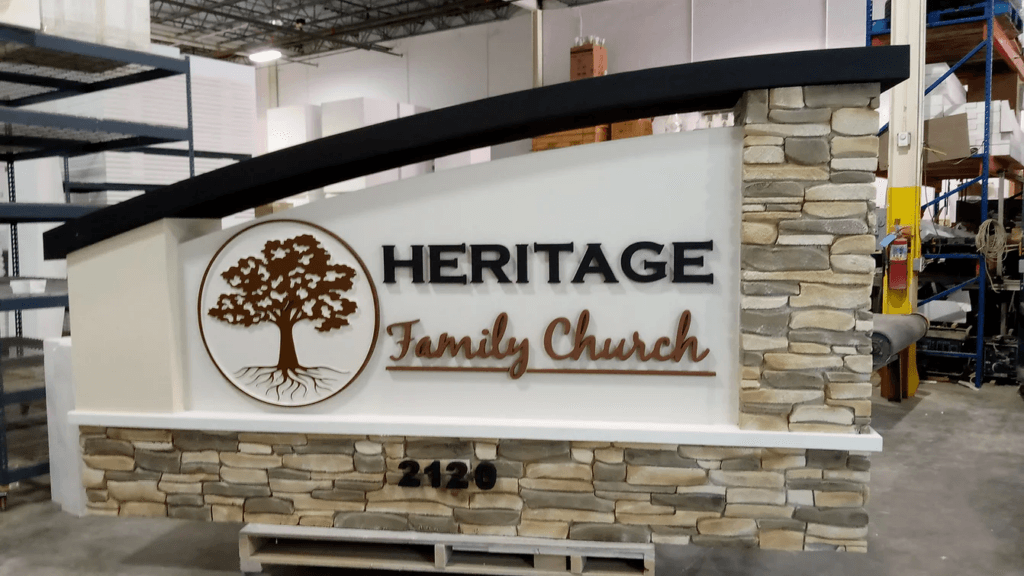
The Art of Imitation: How Faux Finishes Transform EPS Foam Into Stone, Metal & Wood

Beyond Traditional Materials: Why HDU Foam Is Replacing Wood and Stone in High-End Signage
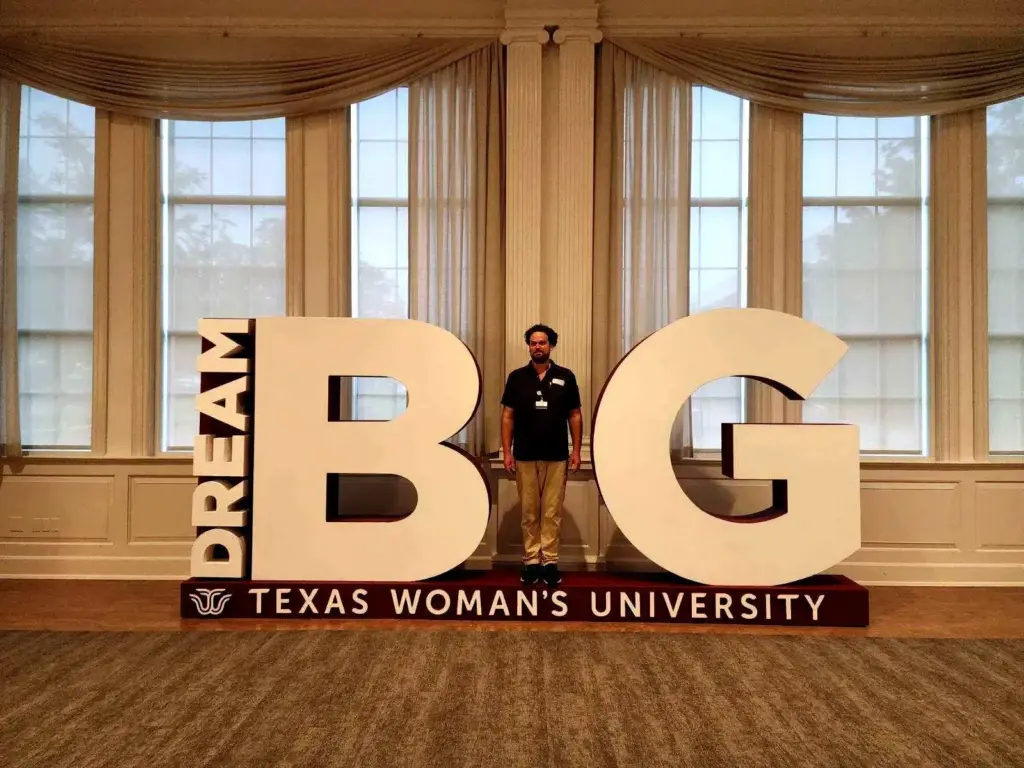
The Hidden Science Behind High-Quality Foam Lettering & Dimensional Signage
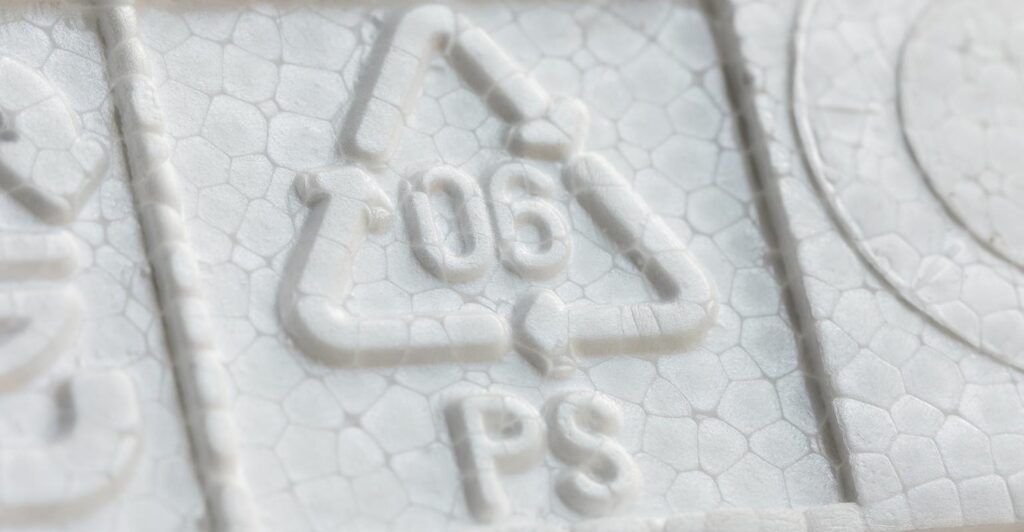
Eco-Friendly Signage Solutions: Is HDU & EPS Foam the Sustainable Choice?

Why Lightweight Foam Monument Signs Are Ideal for Large-Scale Signage

The Importance of Proper Installation for Monument Signs

Foam vs. Metal Signs: Cost, Durability, and Aesthetic Considerations

The Importance of Proper Installation for Monument Signs

From One-Time WOW to Multi-Tour ROI
Recommended Articles
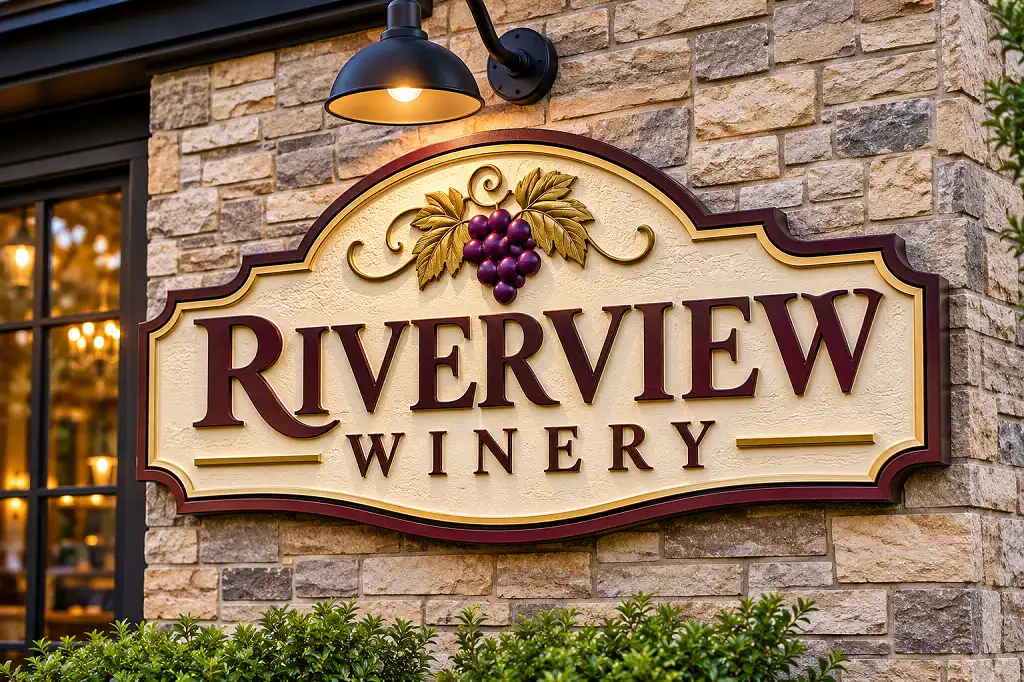
HDU Signs: What High-Density Urethane Foam Is and Why It’s a Premium Sign Choice
Acrylic Signs for Business: Types, Benefits, and How to Choose the Right Style
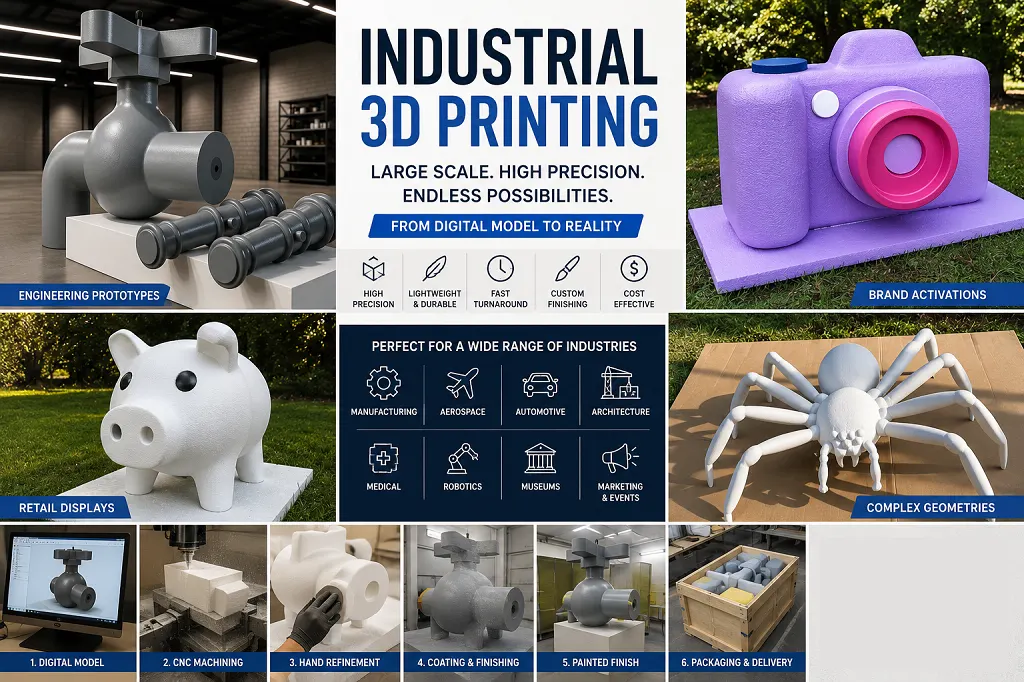
Industrial 3D Printing: Large-Scale Foam Prototypes, Models & Manufacturing Solutions
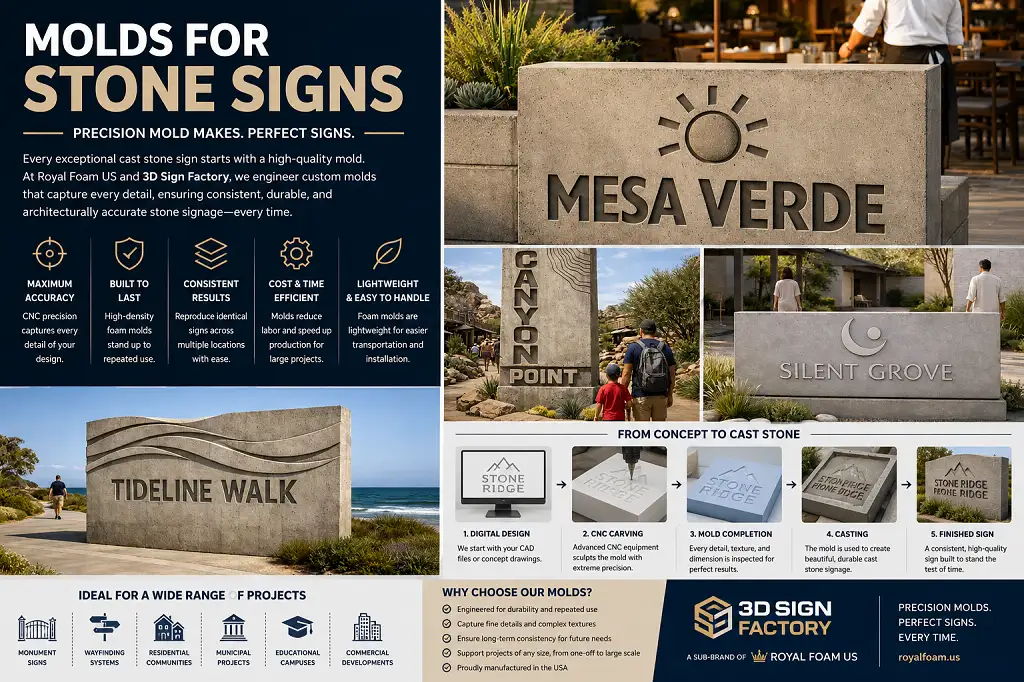
Molds for Stone Signs: The Foundation Behind Consistent Architectural Signage
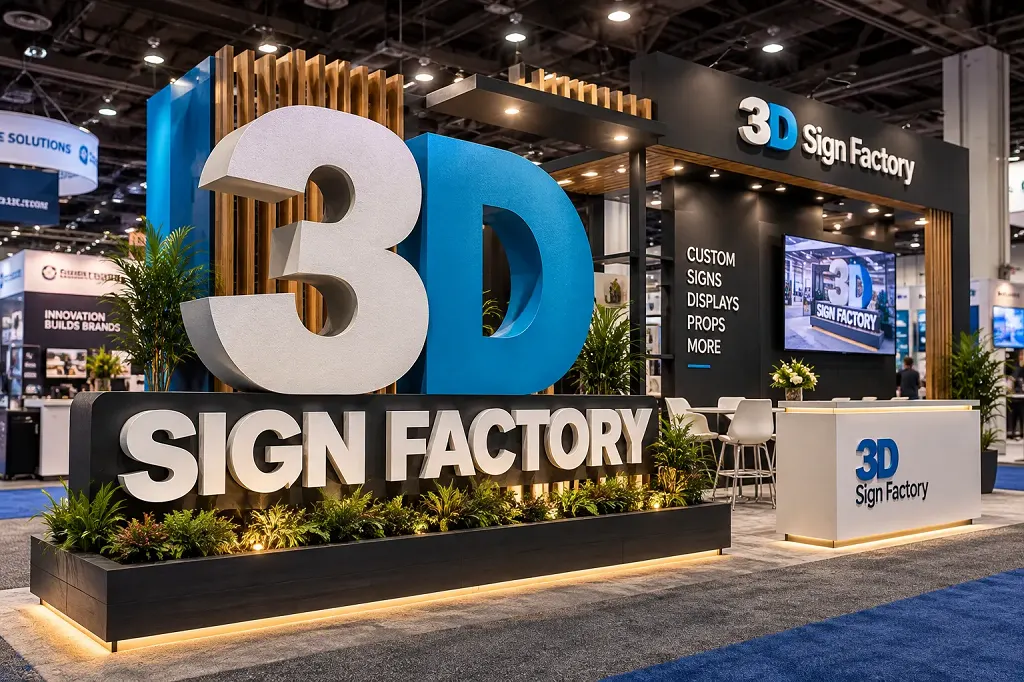
Beyond the Booth: How Custom 3D Displays Make Brands Stand Out at Expos and Events
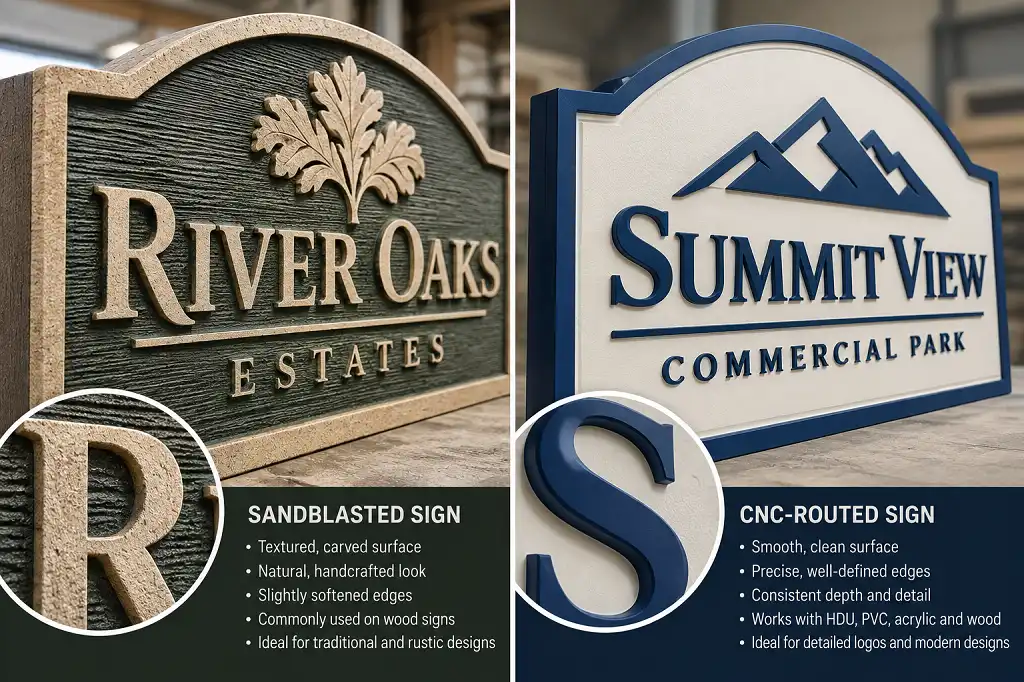
Sandblasted vs. Routed Signs: Which Is Right for Your Project?
Our customer reviews
Read more reviewsRead more reviews